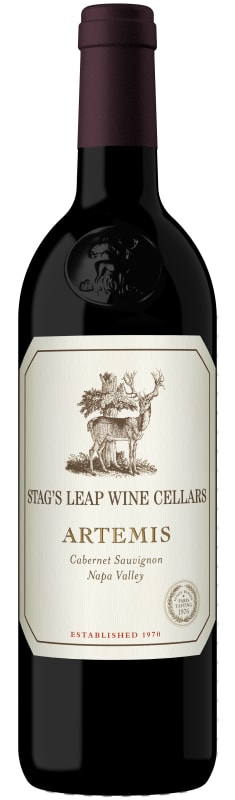


Winemaker Notes
Blend: 97.5% Cabernet Sauvignon, 1.5% Petit Verdot, 0.5% Cabernet Franc, 0.5% Merlot
Professional Ratings
-
Decanter
Primary vineyard sources are estate-owned and span multiple Napa Valley sites: 42% from Atlas Peak (notably the Antica Estate), 11% from Coombsville (Arcadia), 11% from St Helena, 11% from Calistoga, and 3% from the Stags Leap District. The wine was fermented entirely in stainless steel, then aged for 14 months in 57% new French oak. Fragrant aromatics of dark berry fruit lead, layered with bay laurel and sagebrush freshness, cassis, and a lift of graphite. The palate delivers excellent density and poise, framed by polished tannins and loamy, volcanic earth, with rich Indian spice accents and salty, crushed-stone minerality carrying through the long, resonant finish.
-
James Suckling
A substantial, firm-textured wine that offers dark cherry and plum flavors complemented by spicy, peppery, toasty accents. Quite trim and restrained on the palate and well balanced and persistent in the finish.
-
Vinous
The 2023 Cabernet Sauvignon Artemis is fabulous. Black cherry, plum, lavender, licorice and chocolate are front and center. Brisk acids lend freshness to this boisterous, hugely delicious Cabernet Sauvignon. Best of all, the 2023 is a terrific value. It will drink well on release.
-
Robert Parker's Wine Advocate
Approximately 70% of the Artemis bottling now comes from Antinori-owned vineyards, with the balance made up of purchased fruit. The 2023 Cabernet Sauvignon Artemis is a fine example, with gentle herbal shadings of sage and thyme bringing savory complexity to the cassis and cherry fruit along with hints of cedar and mocha. It's medium- to full-bodied and silky in texture, with a sprinkling of fine-grained tannins on the finish. Enjoy this fairly priced wine over the next decade.
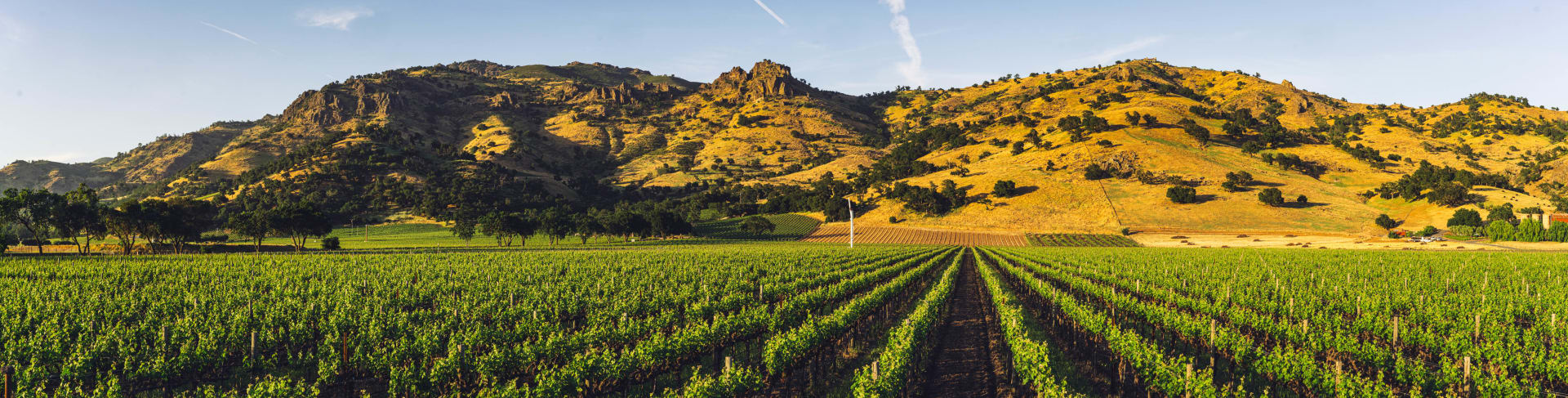



Considered one of the "first growths" of Napa Valley, Stag's Leap Wine Cellars produces renowned Cabernet Sauvignon from its historic Stags Leap District estate vineyards. Learn about Stags Leap history and estate-grown wines.
History of Stag’s Leap Wine Cellars
Stag’s Leap Wine Cellars was founded in 1970 with the purchase of a 40 acre property in the now famed Stag’s Leap District AVA in Napa Valley. The winery brought international recognition to California winemaking and the Napa Valley region when their 1973 S.L.V. Cabernet Sauvignon won the 1976 Paris Tasting, also known as the "Judgement of Paris."
Stag’s Leap Wine Cellars Estate-Grown Cabernet Sauvignon
Stag's Leap Wine Cellars' three estate-grown Cabernet Sauvignons - CASK 23, S.L.V. and Fay - are among the most highly regarded and collected Cabernet Sauvignons worldwide. The Cabernet wines are fashioned to express richness balanced by elegant restraint, an approach often described as "an iron fist in a velvet glove."

One of the most prestigious wines of the world capable of great power and grace, Napa Valley Cabernet is a leading force in the world of fine, famous, collectible red wine. Today the Napa Valley and Cabernet Sauvignon are so intrinsically linked that it is difficult to discuss one without the other. But it wasn’t until the 1970s that this marriage came to light; sudden international recognition rained upon Napa with the victory of the Stag’s Leap Wine Cellars 1973 Cabernet Sauvignon in the 1976 Judgement of Paris.
Cabernet Sauvignon undoubtedly dominates Napa Valley today, covering half of the land under vine, commanding the highest prices per ton and earning the most critical acclaim. Cabernet Sauvignon’s structure, acidity, capacity to thrive in multiple environs and ability to express nuances of vintage make it perfect for Napa Valley where incredible soil and geographical diversity are found and the climate is perfect for grape growing. Within the Napa Valley lie many smaller sub-AVAs that express specific characteristics based on situation, slope and soil—as a perfect example, Rutherford’s famous dust or Stags Leap District's tart cherry flavors.