

Winemaker Notes
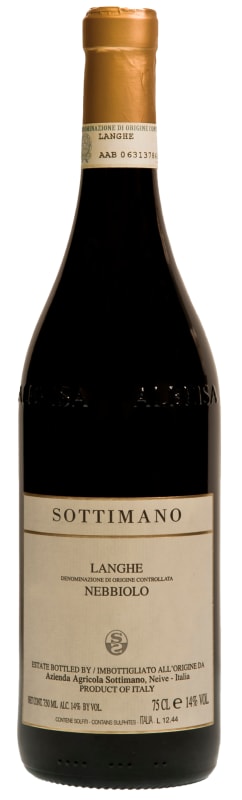
Sottimano’s Langhe Nebbiolo is a single vineyard bottling from the Basarin cru; a historic and very prestigious vineyard located on the border between Neive and Treiso. The vineyard’s high altitude brings great complexity and considerable structure to its wines, along with notes of spice and hints of licorice
Professional Ratings
-
Vinous
The 2024 Langhe Nebbiolo is a promising wine that shows what was possible in this tricky vintage, even among entry-level offerings. Deep and layered in the glass, the 2024 gradually begins to open with some air. Its depth, persistence and balance are all notable, while the aromatics are typical of a wine that is still in barrel. Macerated cherry, rose petal, blood orange and exotic spice notes abound. The Langhe Nebbiolo looks to be the most successful of the entry-level Sottimano wines in 2024. All of the fruit is from Basarin, making this a Barbaresco in all but name.
Barrel Sample: 90-92 -
Jeb Dunnuck
Coming from 26-year-old vines in the Basarin cru in Neive, planted on a mix of Sant’Agata fossilized marl and sandy soils, the 2024 Langhe Nebbiolo offers notes of cranberries, orange zest, and pomegranate. Medium-bodied, it has dusty tannins and an approachable, lightweight feel that highlights the vintage's freshness without austerity. It's highly appealing already.


Responsible for some of the most elegant and age-worthy wines in the world, Nebbiolo, named for the ubiquitous autumnal fog (called nebbia in Italian), is the star variety of northern Italy’s Piedmont region. Grown throughout the area, as well as in the neighboring Valle d’Aosta and Valtellina, it reaches its highest potential in the Piedmontese villages of Barolo, Barbaresco and Roero. Outside of Italy, growers are still very much in the experimentation stage but some success has been achieved in parts of California. Somm Secret—If you’re new to Nebbiolo, start with a charming, wallet-friendly, early-drinking Langhe Nebbiolo or Nebbiolo d'Alba.

Set upon a backdrop of the visually stunning Alps, the enchanting and rolling hills of Piedmont are the source of some of the country’s longest-lived and most sought-after red wines. Vineyards cover a great majority of the land area—especially in Barolo—with the most prized sites at the top hilltops or on south-facing slopes where sunlight exposure is maximized. Piedmont has a continental climate with hot, humid summers leading to cold winters and precipitation year-round. The reliable autumnal fog provides a cooling effect, especially beneficial for Nebbiolo, Piedmont’s most prestigious variety.
In fact, Nebbiolo is named exactly for the arrival of this pre-harvest fog (called “nebbia” in Italian), which prolongs cluster hang time and allows full phenolic balance and ripeness. Harvest of Nebbiolo is last among Piedmont's wine varieties, occurring sometime in October. This grape is responsible for the exalted Piedmont wines of Barbaresco and Barolo, known for their ageability, firm tannins and hallmark aromas of tar and roses. Nebbiolo wines, despite their pale hue, pack a pleasing punch of flavor and structure; the best examples can require about a decade’s wait before they become approachable. Barbaresco tends to be more elegant in style while Barolo is more powerful. Across the Tanaro River, the Roero region, and farther north, the regions of Gattinara and Ghemme, also produce excellent quality Nebbiolo.
Easy-going Barbera is the most planted grape in Piedmont, beloved for its trademark high acidity, low tannin and juicy red fruit. Dolcetto, Piedmont’s other important red grape, is usually ready within a couple of years of release.
White wines, while less ubiquitous here, should not be missed. Key Piedmont wine varieties include Arneis, Cortese, Timorasso, Erbaluce and the sweet, charming Muscat, responsible for the brilliantly recognizable, Moscato d'Asti.