


Winemaker Notes
Bric del Salto Dolcetto d’Alba has a ruby red colour with brilliant hues. In the nose, hints of black cherry and juniper berries merge in a fresh and silky way on the palate, helping this wine to gain complexity as it ages. Both the profile and structure of this wine show an approach to vinification which highlights elegance while protecting the delicate and fragile Dolcetto grapes.
Professional Ratings
-
Robert Parker's Wine Advocate
Andrea Sottimano is very pleased with results in 2023. The 2023 Dolcetto d’Alba Bric del Salto sees stainless steel only and 35 days of skin maceration. You get a lighter appearance because Dolcetto loses its color with longer maceration times. But the process does add fragrant aromas of wild berry rose and dried blueberry. Longer maceration times also make this a more integrated wine. The tannins and the acidity feel quite amalgamated. It's an elegant expression that shows special finesse, especially for the often-rustic Dolcetto grape.
-
Vinous
The 2023 Dolcetto d'Alba Bric del Salto jumps out of the glass with an exotic mélange of blueberry, spice, graphite and game. The flavor profile is very much Dolcetto, with just a touch of reduction, but the structural feel is very much Nebbiolo-like.

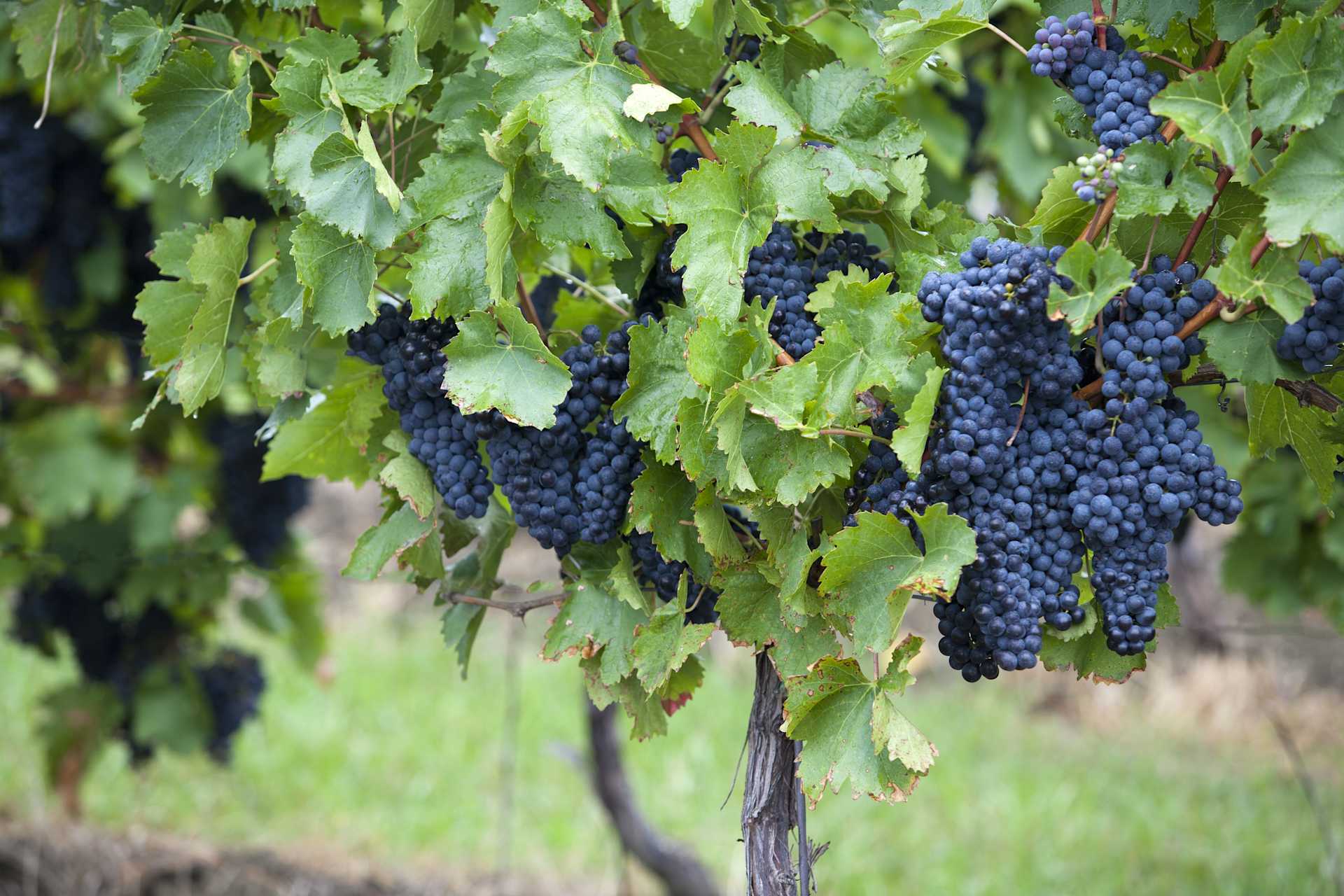
An easy drinking red with soft fruity flavors—but catchy tannins, Dolcetto is often enjoyed in its native Piedmont on a casual weekday night, or for apertivo (the canonical Piedmontese pre-dinner appetizer hour). Somm Secret—In most of Piedmont, easy-ripening Dolcetto is relegated to the secondary sites—the best of which are reserved for the king variety: Nebbiolo. However, in the Dogliani zone it is the star of the show, and makes a more serious style of Dolcetto, many of which can improve with cellar time.

An historic village situated right in between the famous regions of Barolo and Barbaresco, Alba is also the name for the larger wine region surrounding the village.
In a sense, “Alba” is a catch-all phrase, and includes the declassified Nebbiolo wines made in Barolo and Barbaresco, as well as the Nebbiolo grown just outside of these regions’ borders. In fact, Nebbiolo d’Alba is a softer, less tannic and more fruit-forward wine ready to drink within just a couple years of bottling. It is a great place to start if you want to begin to understand the grape. Likewise, the even broader category of Langhe Nebbiolo offers approachable and value-driven options as well.
Barbera, planted alongside Nebbiolo in the surrounding hills, and referred to as Barbera d’Alba, takes on a more powerful and concentrated personality compared to its counterparts in Asti.
Dolcetto is ubiquitous here and, known as Dolcetto d'Alba, can be found casually served alongside antipasti on the tables of Alba’s cafes and wine bars.
Not surprisingly, given its location, Alba is recognized as one of Italy’s premiere culinary destinations and is the home of the fall truffle fair, which attracts visitors from worldwide every year.