

Winemaker Notes
Serve with Foie Gras ganache spread on toasted crostini, and garnish with pickled shallots and chrysanthemums.
Professional Ratings
-
Robert Parker's Wine Advocate
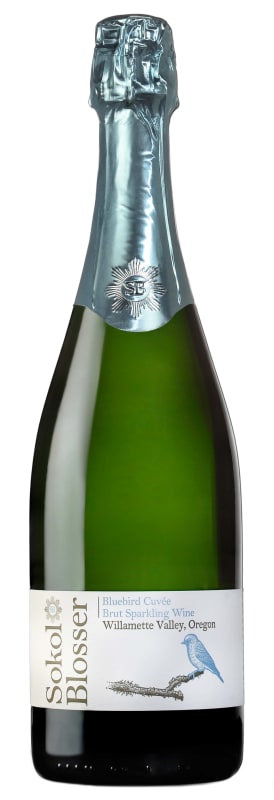
The 2019 Bluebird Cuvée Brut is made from Pinot Noir, Chardonnay, Riesling, Muscat and Müller-Thurgau. It's scented of acacia, green pear and bread dough. The light-bodied palate is creamy and floral with refreshing acidity and a long, perfumed finish. This easy-drinking brut has seven grams of residual sugar and was disgorged in August of 2021.
-
James Suckling
Aromas of sliced peaches, poached pears and dried herbs. Medium-bodied with a fine mousse. Crisp, with some pleasant, yeasty complexity.


Representing the topmost expression of a Champagne house, a vintage Champagne is one made from the produce of a single, superior harvest year. Vintage Champagnes account for a mere 5% of total Champagne production and are produced about three times in a decade. Champagne is typically made as a blend of multiple years in order to preserve the house style; these will have non-vintage, or simply, NV on the label. The term, "vintage," as it applies to all wine, simply means a single harvest year.

From Alabama to Wyoming, each of the fifty United States produces wine—with varying degrees of success. Many of the colder northeastern states focus primarily on American or French-American hybrid varieties like Concord and Vidal, while Muscadine is the grape species of the warm, humid southeast. In Alaska, grapes are grown indoors in greenhouses; other states specialize in fruit wines, like the pineapple wine of Hawaii. New York and Virginia have thriving wine industries, and New Mexico, Arizona, Texas, Michigan, Idaho, and Ohio are all worth keeping an eye on.