


Winemaker Notes
Professional Ratings
-
Robert Parker's Wine Advocate
The 2017 Pinot Noir Sanford & Benedict is pale to medium ruby and slowly reveals spiced cranberry, crushed raspberry, orange peel, tree bark and amaro hints with savory notions of peppered meats, dried rose petals, dusty earth and restrained red berries at the core. The palate is light to medium-bodied with bright fruits, granulated tannins and seamless acidity, finishing very long and spicy.
-
Wine Enthusiast
Quite light in the glass, this bottling by Rajat Parr and Sashi Moorman explores the green and deeply savory side of Pinot Noir. Aromas of green peppercorns, freshly plucked green sage and tart raspberry lead into a palate awash with wild chaparral herbs and underripe red-fruit flavors, finishing on lingering tea notes. Some will love it, many will be perplexed by it.


Thin-skinned, finicky and temperamental, Pinot Noir is also one of the most rewarding grapes to grow and remains a labor of love for some of the greatest vignerons in Burgundy. Fairly adaptable but highly reflective of the environment in which it is grown, Pinot Noir prefers a cool climate and requires low yields to achieve high quality. Outside of France, outstanding examples come from in Oregon, California and throughout specific locations in wine-producing world. Somm Secret—André Tchelistcheff, California’s most influential post-Prohibition winemaker decidedly stayed away from the grape, claiming “God made Cabernet. The Devil made Pinot Noir.”
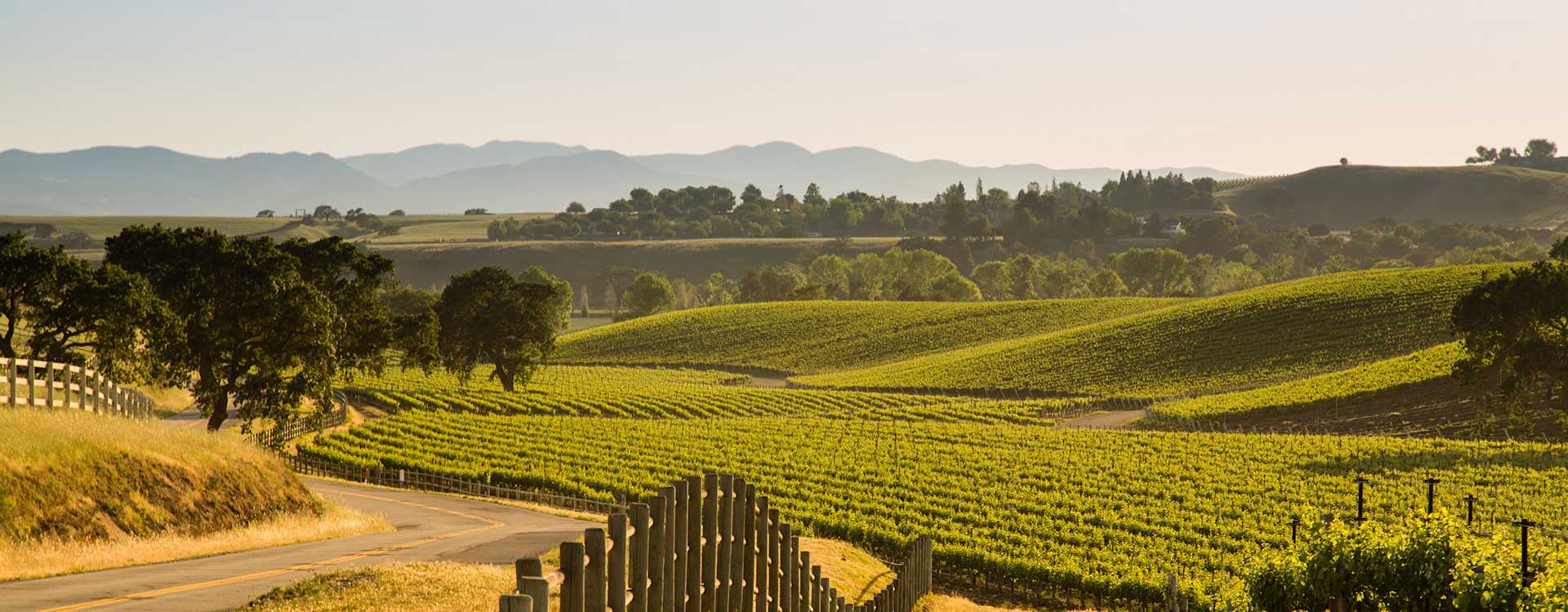
A superior source of California Chardonnay and Pinot Noir, Sta. Rita Hills is the coolest, westernmost sub-region of the larger Santa Ynez Valley appellation within Santa Barbara County. This relatively new AVA is unquestionably one to keep an eye on.
The climate of Sta. Rita Hills is a natural match for Chardonnay and Pinot noir, thanks to the crisp ocean breezes and well-drained, limestone-rich calcareous soil. Here, grapes ripen just enough, while retaining brisk acidity and harmonious balance.