


Winemaker Notes
Professional Ratings
-
Wine & Spirits
Carmelite nuns planted this vineyard in 1990, the vines own-rooted on spare, white, powdery diatomaceous earth. While most California chardonnay emphasizes fruit, this evokes a pure umami response: bracing acidity, and a dusty earth tone that’s deep and powerful, like a shiitake mushroom broth. Let it unwind in the cellar for a year or two; it has plenty of gastronomic potential, especially with savory dim sum dishes like pork congee or seafood dumplings. (207 cases)


One of the most popular and versatile white wine grapes, Chardonnay offers a wide range of flavors and styles depending on where it is grown and how it is made. While it tends to flourish in most environments, Chardonnay from its Burgundian homeland produces some of the most remarkable and longest lived examples. California produces both oaky, buttery styles and leaner, European-inspired wines. Somm Secret—The Burgundian subregion of Chablis, while typically using older oak barrels, produces a bright style similar to the unoaked style. Anyone who doesn't like oaky Chardonnay would likely enjoy Chablis.
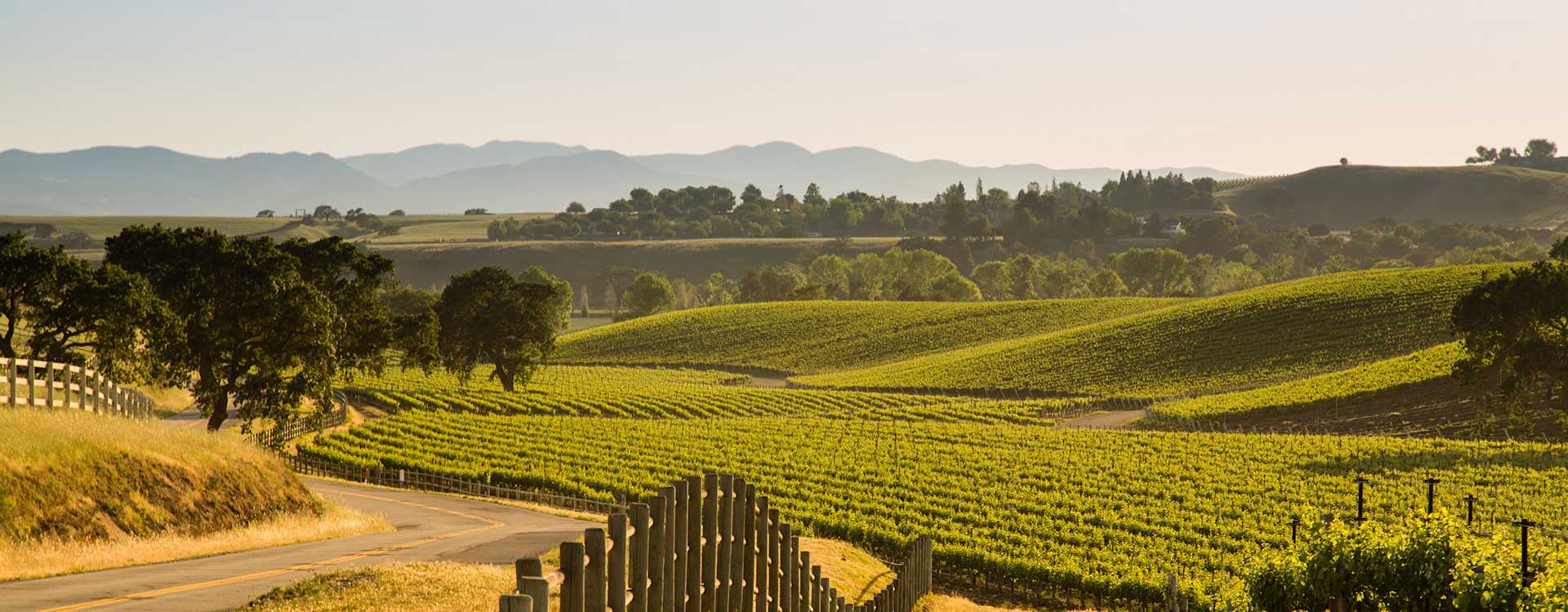
A superior source of California Chardonnay and Pinot Noir, Sta. Rita Hills is the coolest, westernmost sub-region of the larger Santa Ynez Valley appellation within Santa Barbara County. This relatively new AVA is unquestionably one to keep an eye on.
The climate of Sta. Rita Hills is a natural match for Chardonnay and Pinot noir, thanks to the crisp ocean breezes and well-drained, limestone-rich calcareous soil. Here, grapes ripen just enough, while retaining brisk acidity and harmonious balance.