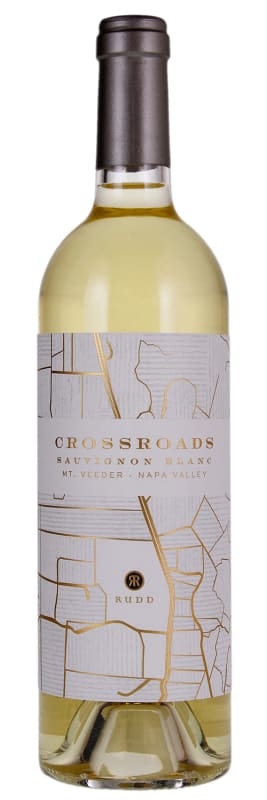


Winemaker Notes
The 2022 Crossroads Sauvignon Blanc sparkles with a silvery pale-yellow hue and opens with youthful, vibrant aromas of fresh lemongrass, sweet lemon rind, and white flower blossoms, complemented by lively grapefruit pith and a subtle hint of celery root, while the palate delivers pure pleasure with notes of sweet limes, freshly picked peaches, and a clean mineral tone, all elevated by bright, energetic acidity and rounded out by fleshy green apple and sweet cantaloupe that bring harmony to the midpalate, resulting in a wine whose delightful levity and crispness make it an ideal companion to freshly caught seafood and rich, homemade pasta.
Professional Ratings
-
Wine Spectator
Fragrant and intense, with lemongrass, lemon verbena and lemon basil aromatics accenting the mouthwatering and fresh core of Meyer lemon, pomelo and green apple flavors. Shows hints of crunchy sea salt, celery seed and lime zest. Drink now. 418 cases made.


Capable of a vast array of styles, Sauvignon Blanc is a crisp, refreshing variety that equally reflects both terroir and varietal character. Though it can vary depending on where it is grown, a couple of commonalities always exist—namely, zesty acidity and intense aromatics. This variety is of French provenance. Somm Secret—Along with Cabernet Franc, Sauvignon Blanc is a proud parent of Cabernet Sauvignon. That green bell pepper aroma that all three varieties share is no coincidence—it comes from a high concentration of pyrazines (herbaceous aromatic compounds) inherent to each member of the family.

Centered at the peak for which it is named, Mount Veeder is Napa’s largest sub-AVA. But even though the entire appellation spreads over 16,000 acres, vineyards cover a mere 1,000. Scattered among Douglas firs and bristlecone pines, Mount Veeder vineyards extend south from the upper elevations of the Mayacamas Mountains—the highest point at 2,400 feet—to the border of the Carneros region. Less than 25 wineries produce wine from Mount Veeder fruit.
Winemaking began early in this appellation. In 1864, Captain Stelham Wing presented the first Mount Veeder wine to the Napa County Fair; it came from today’s Wing Canyon Vineyard. Prohibition, of course, halted winemaking and viticulture wasn’t revitalized until the founding of Mayacamas Vineyards in 1951 and Bernstein Vineyards in 1964.
The Bernstein Vineyards was actually home to the first Petit Verdot in California, planted in 1975. Today most of the Petit Verdot in Napa Valley originates from this vineyard.
Rocky volcanic clay and ancient seabed matter dominate Mount Veeder soils—perfect for Bordeaux varieties. Cabernet Sauvignon, Merlot, Malbec, Cabernet Franc and Petit Verdot enjoy spectacular success. These varieties produce wines rich in brambly blackberry and black cherry fruit with herbal and floral aromatics. Structures are moderate to assertive and wines have great staying power.
Chardonnay from Mount Veeder is lush, full and balanced mineral and fresh citrus flavors.