


Winemaker Notes
Raspberry, fig with notes of vanilla on the nose. Flavors of plum and black olive give way to well coated tannins and black olive in the lingering finish.
Pairs well with roasted pork tenderloin with blue cheese potatoes or a wine country tri tip.
Professional Ratings
-
Jeb Dunnuck
All Zinfandel from the Dry Creek Valley, the 2018 Zinfandel East Bench offers up a great, pure, medium to full-bodied style that carries lots of classic spice, brambly herbs, incense, and plum-laced fruits. Nicely balanced, structured, and with solid length, this terrific Zinfandel will be even better with a year in bottle and keep for a decade.
-
Wine & Spirits
Not far from Ridge’s Lytton Springs, East Bench was planted to vines in the 19th century, though those vines were abandoned in the early 20th. Nearly 100 years on, the team at Ridge started replanting the site, using cuttings selected at four vineyards planted before Prohibition. David Gates farms it as he does Ridge’s historic mixed plantings, the vines head trained and spur pruned. John Olney made this wine from vines planted in 2000 and 2001, creating a plump and delicious zinfandel emphasizing cozy fruit richness and firm tannins. It is exuberant, a pleasure to drink, while holding enough tension to make it a cellar candidate.
-
Wine Spectator
Appealingly old-school and just rustic enough to highlight the vibrant, briary wild berry flavors, laced with dried sage and licorice notes, building tension toward lively tannins. Drink now through 2028.
-
Robert Parker's Wine Advocate
The 2018 Zinfandel East Bench has aromas of spice-laced red and black berries with accents of earth and tar. Medium-bodied, the palate is surprisingly juicy, with earth-laced fruits, pleasantly chewy tannins and a lifted finish.
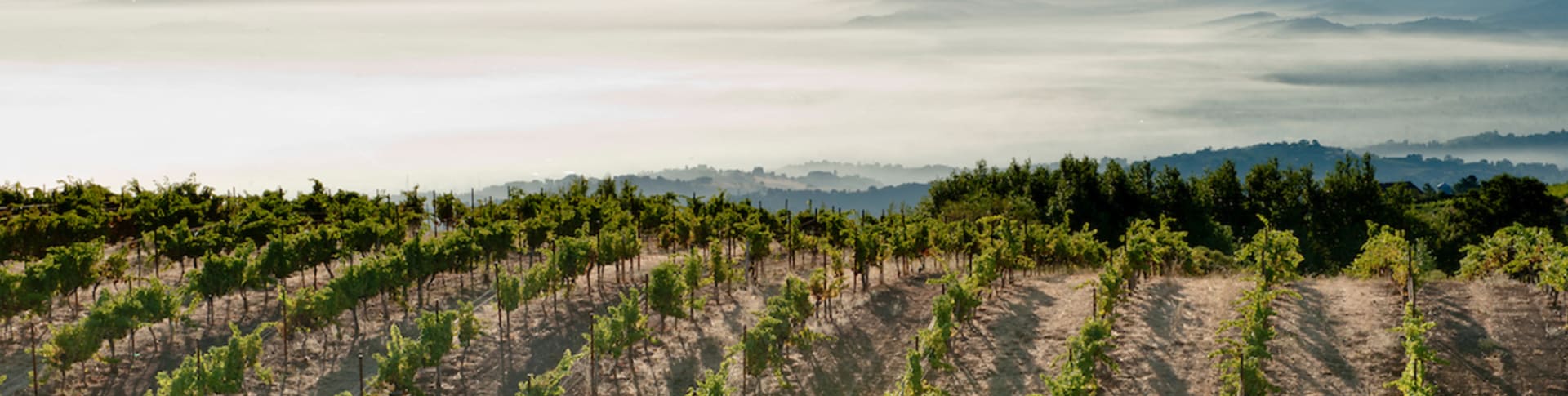




RIDGE's history begins in 1885, when Osea Perrone, a doctor and prominent member of San Francisco's Italian community, bought 180 acres near the top of Monte Bello Ridge in the Santa Cruz Mountains. He planted vineyards and constructed a winery of redwood and native limestone in time to produce the first vintage of Monte Bello in 1892. The historic building now serves as the RIDGE production facility.
In 1962, Ridge Vineyards made its first Monte Bello, and two years later its first zinfandel. The RIDGE approach is straightforward: find the most intense and flavorful grapes, guide the natural process, draw all the fruit's richness into the wine. Decisions on when to pick, when to press, when to rack, what varietals and what parcels to include and when to bottle, are based on taste. To retain the nuances that increase complexity, Ridge winemakers handle the grapes and wine as gently as possible. There are no recipes, only attention and sensitivity.
In August 2021, Ridge Vineyards joined International Wineries for Climate Action (IWCA), a group of like-minded wineries that are dedicated to decarbonizing the global wine industry. RIDGE is committed to achieving Net Zero by 2050 and completes a biannual greenhouse gas audit utilizing the World Resources Institute Greenhouse Gas (GHG) Protocol methodology and be verified by an internationally accredited, third-party auditor.

Unapologetically bold, spice-driven and jammy, Zinfandel has secured its title as the darling of California vintners by adapting well to the state's diverse microclimates and landscapes. Born in Croatia, it later made its way to southern Italy where it was named Primitivo. Fortunately, the imperial nursery of Vienna catalogued specimens of the vine, and it later made its way to New England in 1829. Parading the true American spirit, Zinfandel found a new home in California during the Gold Rush of 1849. Somm Secret—California's ancient vines of Zinfandel are those that survived the neglect of Prohibition; today these vines produce the most concentrated, ethereal and complex examples.

A multifaceted and highly reputable sub-region of Sonoma, Dry Creek Valley is responsible for a wide range of wine styles—both red and white. One of the smallest AVAs in California, Dry Creek Valley has a winning combination of ideal geography and climate. Fertile, well-drained soils create concentrated varietal character while long, warm days, bookended by cool nights, allow grapes to reach full phenolic ripeness and balance. The warm and welcoming appellation is home to a number of family-owned vineyards and wineries that place a strong emphasis on sustainable farming practices.
Zinfandel reigns supreme here and still produces in a great number of very old vineyards—often 100 years old or older. These old vines create a powerful, voluptuous and sultry wine unlike those of any other region. Sauvignon Blanc, the valley’s signature white grape, also performs exceptionally well. Many other varieties grow comfortably here, including Cabernet Sauvignon, Grenache and Syrah. Petite Sirah is often found in blends with Zinfandel.