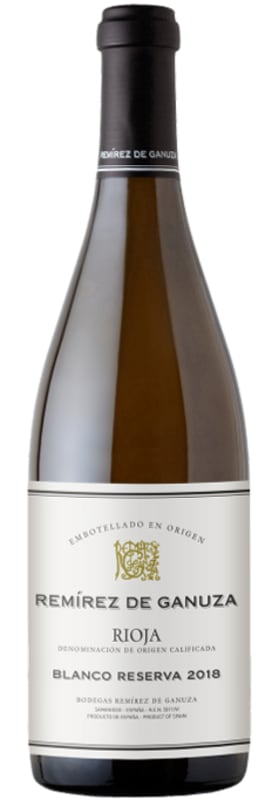


Winemaker Notes
In assessing the potential of their land and winemaking capabilities, the team at Remírez de Ganuza wisely decided to give special attention to their Viura and Malvasia plantings in dedicated bottlings. Previously used to complement their reds via the skins, the white wines are given a Burgundian level of attention by their selective vineyard picking and winemaking. Made mostly from Viura (80%), the flagship white wine is aged on the lees in new French oak for 8 months with regular batonnage to increase aromatics and texture.
Grapes are manually harvested and transported in 12kg boxes, where they reside in thermo-regulated cooling chambers for 24 hours. After sorting, only free run juice is used. The wine ages for 10 months in 100% new French oak, with battonage performed by rotating the barrels.
Deeply textural, showing tension in the body and contrast in the palate. Ripe orchard fruit and refreshing minerality mingle together, giving way to a persistent yet silky finish.


Commonly found as a single varietal white or blended with Malavasia and Grenache Blanc, Viura is a vital, leading white grape of Rioja. It also thrives in the lower elevations of the Penedes, where it takes the name Macabeo and adds aromatic and fruity notes to the traditional Cava blend with Parellada and Xarel-lo. Somm Secret—Called Macabeu in France, this versatile grape is prevalent in Roussillon where it makes still, sparkling, dry and sweet wines.

Highly regarded for distinctive and age-worthy red wines, Rioja is Spain’s most celebrated wine region. Made up of three different sub-regions of varying elevation: Rioja Alta, Rioja Alavesa and Rioja Oriental. Wines are typically a blend of fruit from all three, although specific sub-region (zonas), village (municipios) and vineyard (viñedo singular) wines can now be labeled. Rioja Alta, at the highest elevation, is considered to be the source of the brightest, most elegant fruit, while grapes from the warmer and drier Rioja Oriental produce wines with deep color and higher alcohol, which can add great body and richness to a blend.
Fresh and fruity Rioja wines labeled, Joven, (meaning young) see minimal aging before release, but more serious Rioja wines undergo multiple years in oak. Crianza and Reserva styles are aged for one year in oak, and Gran Reserva at least two, but in practice this maturation period is often quite a bit longer—up to about fifteen years.
Tempranillo provides the backbone of Rioja red wines, adding complex notes of red and black fruit, leather, toast and tobacco, while Garnacha supplies body. In smaller percentages, Graciano and Mazuelo (Carignan) often serve as “seasoning” with additional flavors and aromas. These same varieties are responsible for flavorful dry rosés.
White wines, typically balancing freshness with complexity, are made mostly from crisp, fresh Viura. Some whites are blends of Viura with aromatic Malvasia, and then barrel fermented and aged to make a more ample, richer style of white.