


Winemaker Notes
The 2021 bottling marks a decade of Rose production in the Red Car cellar. Through that time, they've developed a house style at Red Car; based in desire to create the most balanced Rose possible, while adapting to the conditions each vintage brings. Often small, isolated harvests of specific clones from each of their vineyards affords them the ability to craft the wine in the field as harvest unfolds. Plainly put, they build this wine each year from the ground up, applying what they’ve learned over time, tailoring their approach. In blending each expression, from each clone and vineyard, they’ve assembled the best of what they do at Red Car. The 2021 Rose reflects this, with expressed aromatics and minerality, yet generous and rich texture. Next to the pool, on the lake, paired with food, this is built to meet the occasion.
Professional Ratings
-
Wine Enthusiast
This is a lovely, light and bright wine that shows off the crisp coolness of the coast, interweaving elegant layers of grapefruit, orange and wild strawberry.
-
Vinous
Limpid, onion-skin color. Spice-accented cherry and nectarine aromas, along with a subtle floral note that builds with air. Silky and focused on the palate, which offers subtly sweet red berry and citrus fruit flavors that are sharpened by a spicy hint of white pepper. Finishes smooth, long and gently spicy, with a repeating cherry note and a touch of botanical herbs.

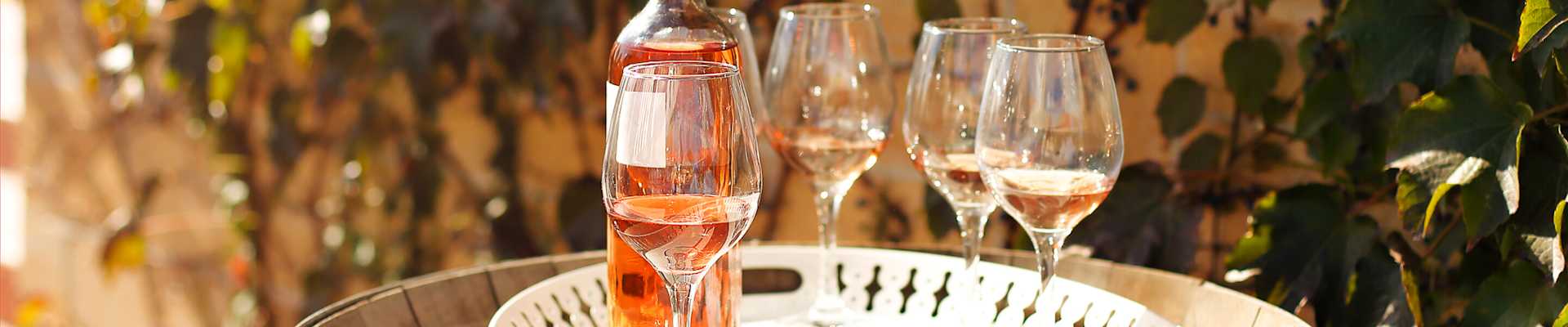
Whether it’s playful and fun or savory and serious, most rosé today is not your grandmother’s White Zinfandel, though that category remains strong. Pink wine has recently become quite trendy, and this time around it’s commonly quite dry. Since the pigment in red wines comes from keeping fermenting juice in contact with the grape skins for an extended period, it follows that a pink wine can be made using just a brief period of skin contact—usually just a couple of days. The resulting color depends on grape variety and winemaking style, ranging from pale salmon to deep magenta.

A vast appellation covering Sonoma County’s Pacific coastline, the Sonoma Coast AVA runs all the way from the Mendocino County border, south to the San Pablo Bay. The region can actually be divided into two sections—the actual coastal vineyards, marked by marine soils, cool temperatures and saline ocean breezes—and the warmer, drier vineyards further inland, which are still heavily influenced by the Pacific but not quite with same intensity.
Contained within the appellation are the much smaller Fort Ross-Seaview and Petaluma Gap AVAs.
The Sonoma Coast is highly regarded for elegant Pinot Noir, Chardonnay, and, increasingly, cool-climate Syrah. The wines have high acidity, moderate alcohol, firm tannin, and balanced ripeness.