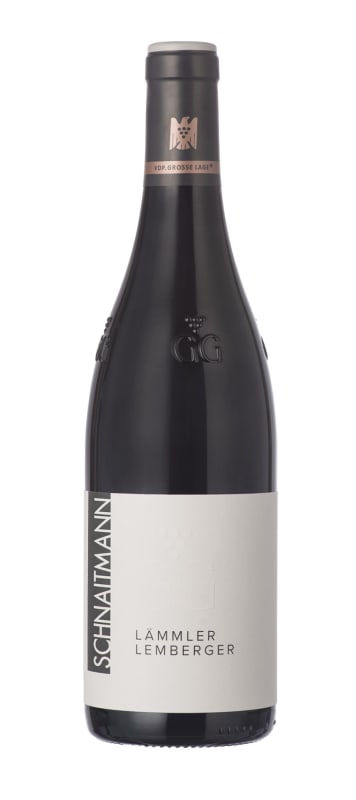


Winemaker Notes
Garnet red in the glass with a ruby red rim. The spectrum of aromas ranges from floral to spicy to fine fruit notes. Racy and complex on the palate with stimulating juicy acidity, velvety, ripe tannins, and a tightly woven structure. Full-bodied taste with lots of freshness and great length.
Professional Ratings
-
James Suckling
The nose of this wine is a deep well of forest berries, the whole range of baking spices, wet earth and vanilla. Very concentrated, focused and elegant this medium- to full-bodied Lemberger is wonderfully fresh and vibrant with a compact finish that extends way out there. With aeration a violet aroma develops, adding to the wine’s stunning complexity. From biodynamically grown grapes.


Red wine from Germany, really? Yes, really. The country’s world class German Rieslings may be its vinous claim to fame, but 40% of wine production is red. The star is Pinot Noir, known as spätburgunder, which is the third most-planted grape in Germany. In the regions of Baden and Ahr, in fact, this varietal is actually number one. German Pinot Noir offers precisely delineated characteristics of juicy red fruit, spice and earthy minerality that stay light but vivid. Look for versions from Weingut Dautel, August Kesseler and Claus Schneider.
Another important German red wine is Blauer Portugieser, used for crisp, light-bodied wines. Dornfelder is also appreciated; it typically expresses a fun, grapey fruitiness that resembles Beaujolais. Smaller but still commercially significant plantings include Trollinger and Pinot Meunier. Even international varieties like Syrah, Cabernet Sauvignon and Merlot appear in some of the warmer regions.