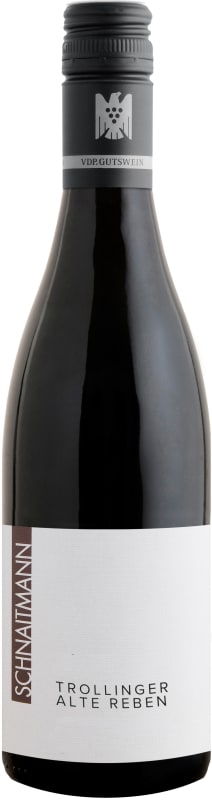


Winemaker Notes
Blend: 100% Trollinger
Professional Ratings
-
Wine Enthusiast
This is light and juicy, with an elegant profile, featuring a silky texture and well-integrated chalky tannins. Notes of plum and cassis mingle with Turkish coffee and rose hip at the core, while savory herbal elements and a minerally structure glide along the edges. Complete and inviting.


Red wine from Germany, really? Yes, really. The country’s world class German Rieslings may be its vinous claim to fame, but 40% of wine production is red. The star is Pinot Noir, known as spätburgunder, which is the third most-planted grape in Germany. In the regions of Baden and Ahr, in fact, this varietal is actually number one. German Pinot Noir offers precisely delineated characteristics of juicy red fruit, spice and earthy minerality that stay light but vivid. Look for versions from Weingut Dautel, August Kesseler and Claus Schneider.
Another important German red wine is Blauer Portugieser, used for crisp, light-bodied wines. Dornfelder is also appreciated; it typically expresses a fun, grapey fruitiness that resembles Beaujolais. Smaller but still commercially significant plantings include Trollinger and Pinot Meunier. Even international varieties like Syrah, Cabernet Sauvignon and Merlot appear in some of the warmer regions.