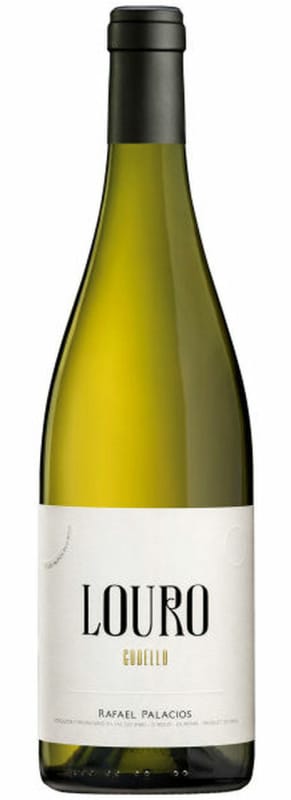


Winemaker Notes
The visual appearance is clean and elegant, straw-colored with a greenish rim. It is a wine with noble aromas, which transmits its aromatic intensity through the expression of plants such as fennel, gorse and a delicate hint of chestnut blossom, with citrus notes and an attractive hint of wet rock. On the palate it manifests itself as great on the attack, fresh but voluptuous at the same time, fatty, which melts into a complex and fruity step. Its finish is marked by the saline minerality of its soil, which gives it the personality and character of a great wine.
Professional Ratings
-
Wine Spectator
The 2020 Louro is a little riper than the 2019 and has a softer palate. The process was the same as always, fermentation in 3,500-liter French oak foudres, where the wine matured with lees for four months. It has 14.1% alcohol with a pH of 3.26 and 6.6 grams of acidity. It feels very young and a little closed, reductive perhaps. It's quite fruit-driven, and there is a sensation of a little more ripeness here, more balsamic. It's quite round and gentle but with a nice mineral background.
Rating: 92+


Godello is native to northwest Spain and has experienced a major revival in the last 20 years. Godello wines are typically sleek and lightly creamy in texture. Barrel fermentation and lees stirring are typical in Valdeorras, Spain where the grape comes from. These winemaking techniques make the most of Godello's inherent structure and help bring out its lovely floral character. Somm Secret—DNA profiling says that Spain’s Godello is actually identical to the Portugese grape variety Gouveio, which grows throughout the Douro and Dão (where it used to mistakenly be called Verdelho).

Just to the south of Bierzo, the steeply terraced Valdeorras Spanish wine region is a respected source of both red and white wines. Garnacha Tintorera (Alicante Bouschet) and Mencía are the principal red varieties while Godello and Palomino compose the majority of this region's whites.