


Winemaker Notes
Professional Ratings
-
James Suckling
Aromas of blue fruits, blackberries, tile and lead pencil. Full body, firm tannins and a fresh, bright finish. Layered and intense with white-pepper and salt undertones. Love the finish to this racy young wine. Beautiful blue fruits! Drink in 2020 and onwards. From biodynamic grapes.
-
Robert Parker's Wine Advocate
Deep garnet-purple colored, the 2015 Proprietary Red Wine has a very deep purple color and notes of crushed rocks, dusty earth and iron ore over blackcurrants and black cherries, plus hints of tapenade, bay leaves, underbrush and chargrill. Medium to full-bodied, the palate is bursting with densely packed, youthful black fruits, framed by finely grained tannins and refreshing acidity, finishing long and mineral laced.
Rating: 94-96
Barrel Sample -
Wine & Spirits
This is the first vintage of Quintessa made by Rebekah Wineburg, who joined the estate in June 2015 after six years at Buccella in Napa Valley. Longtime Quintessa winemaker Charles Thomas is now winemaker emeritus. The property, a series of rolling hills between the Napa River and the Silverado Trail, typically produces an elegant cabernet, this 2015 following that line with sweet notes of red cherries and fine pencil-lead tannins. Hints of green pepper and heather show its restrained ripeness—a firm young cabernet with no excess weight.
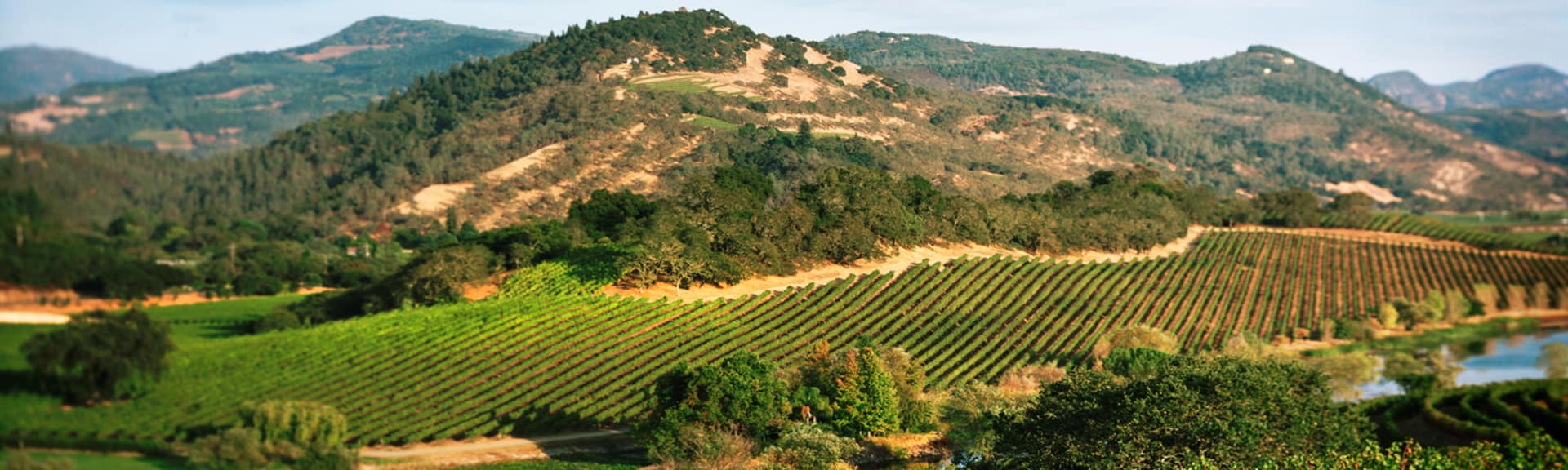






One of the most prestigious wines of the world capable of great power and grace, Napa Valley Cabernet is a leading force in the world of fine, famous, collectible red wine. Today the Napa Valley and Cabernet Sauvignon are so intrinsically linked that it is difficult to discuss one without the other. But it wasn’t until the 1970s that this marriage came to light; sudden international recognition rained upon Napa with the victory of the Stag’s Leap Wine Cellars 1973 Cabernet Sauvignon in the 1976 Judgement of Paris.
Cabernet Sauvignon undoubtedly dominates Napa Valley today, covering half of the land under vine, commanding the highest prices per ton and earning the most critical acclaim. Cabernet Sauvignon’s structure, acidity, capacity to thrive in multiple environs and ability to express nuances of vintage make it perfect for Napa Valley where incredible soil and geographical diversity are found and the climate is perfect for grape growing. Within the Napa Valley lie many smaller sub-AVAs that express specific characteristics based on situation, slope and soil—as a perfect example, Rutherford’s famous dust or Stags Leap District's tart cherry flavors.