
Winemaker Notes
The bouquet of this wine is a rich mélange of floral and black fruits. A delicate brush stroke from Titian, the accent is on opulence tempered by finesse. A bold attack, that astonishes with its richness, and then a seamless segue to an ultra ripe, integrated and well textured mid-palette. A brooding monolithic mass of bold velvet robed tannins, the assurance of graceful aging leading to a finish that lingers and flirts endlessly. The paragon of the Quintessa Vineyard.
Professional Ratings
-
Wine Enthusiast
e best Quintessa in years, this huge, rich wine is really too young now. All the parts are beautiful, from the ripe, sweet cherry-blackberry fruit through the fine, dusty tannins to the lush overlay of vanilla-scented oak.
-
Robert Parker's Wine Advocate
A 9,500-case blend of 77% Cabernet Sauvignon, 20% Merlot, and 3% Cabernet Franc, the 2002 Proprietary Red Wine boasts a deep ruby/purple color as well as lovely scents of flowers, plums, black currants, and notions of cherries, earthy/loamy soil, and tobacco leaf. Clearly the richest Quintessa to date, it is medium to full-bodied, with a seamless integration of wood, tannin, and acidity. Range: 89-91
-
Wine & Spirits
Sarah Gott made this wine at the Huneeus estate on the Silverado Trail just north of Rutherford. The wine has consistently been more about elegance than power or size, and this vintage follows in that path, offering a lot of presence without a lot of weight. That allows the texture to feel luscious and rich without feeling heavy. The fruit flavors range from juicy black cherry to riper plum, as well as an edge of super-ripeness that one taster compared to a ripasso wine.
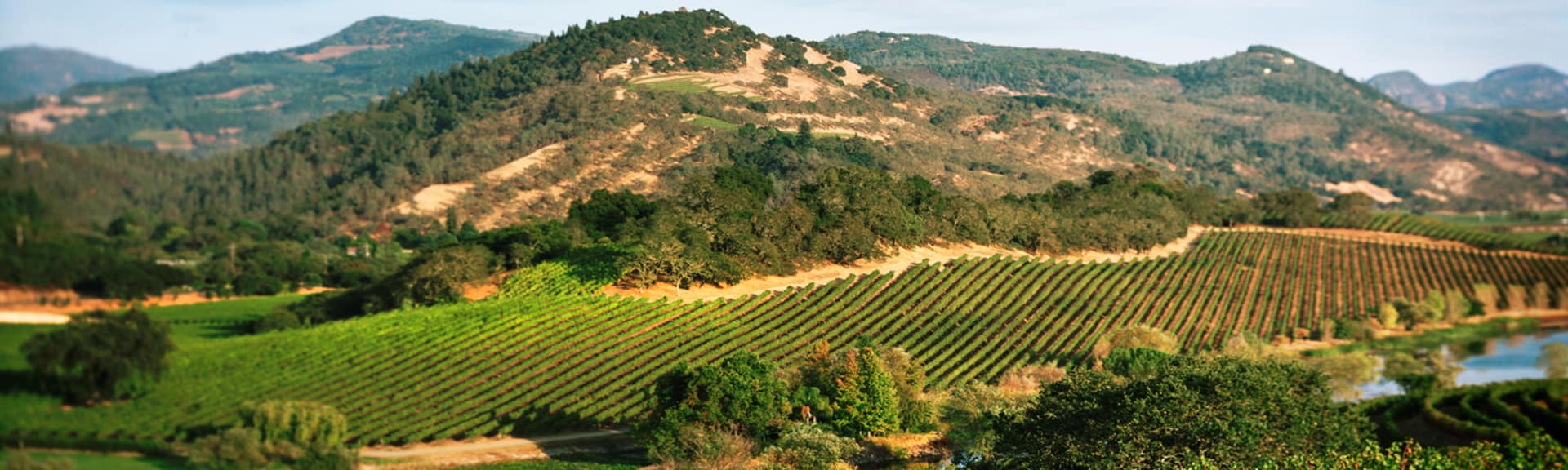






One of the most prestigious wines of the world capable of great power and grace, Napa Valley Cabernet is a leading force in the world of fine, famous, collectible red wine. Today the Napa Valley and Cabernet Sauvignon are so intrinsically linked that it is difficult to discuss one without the other. But it wasn’t until the 1970s that this marriage came to light; sudden international recognition rained upon Napa with the victory of the Stag’s Leap Wine Cellars 1973 Cabernet Sauvignon in the 1976 Judgement of Paris.
Cabernet Sauvignon undoubtedly dominates Napa Valley today, covering half of the land under vine, commanding the highest prices per ton and earning the most critical acclaim. Cabernet Sauvignon’s structure, acidity, capacity to thrive in multiple environs and ability to express nuances of vintage make it perfect for Napa Valley where incredible soil and geographical diversity are found and the climate is perfect for grape growing. Within the Napa Valley lie many smaller sub-AVAs that express specific characteristics based on situation, slope and soil—as a perfect example, Rutherford’s famous dust or Stags Leap District's tart cherry flavors.