


Winemaker Notes
Crisp, bright, and vivacious! The Chenin aromatics bring citrus characters of lime, orange blossom, honey suckle, ginger, and melon. The viognier aromatics tend to be a little heavier on stone fruit of nectarine and peach with hints of floral characters. The mouthfeel is clean, crisp with no oak or malolactic fermentation. The slight residual sugar and acid are in balance to add some mouthfeel but still create a crisp finish.
This versatile wine pairs well with a number of dishes, from light salads to seafood, and most notably with foods with a hint of spiciness - its subtle sweetness provides balance alongside a touch of heat. It’s the perfect pour for the start of an evening with appetizers such as goat cheese, radishes, and olives. Also try with a flavorful Thai curry, a frittata with sweet onions and ricotta, or a shrimp and avocado tostada.
Blend: 80% Chenin Blanc, 20% Viognier
Professional Ratings
-
James Suckling
Attractive aromas of mangoes, papayas, baked apples and custard. Deliciously tropical and fleshy, with a medium to full body and a juicy, fruity finish. 80% Chenin Blanc and 20% Viognier.
-
Wine Spectator
Distinctive, aromatic and refreshing, this juicy white has hints of Fuji apple, lime zest, honeysuckle and chamomile, plus a core of ripe peach, apricot and melon. The mouthwatering finish reveals vivid acidity. Chenin Blanc and Viognier.

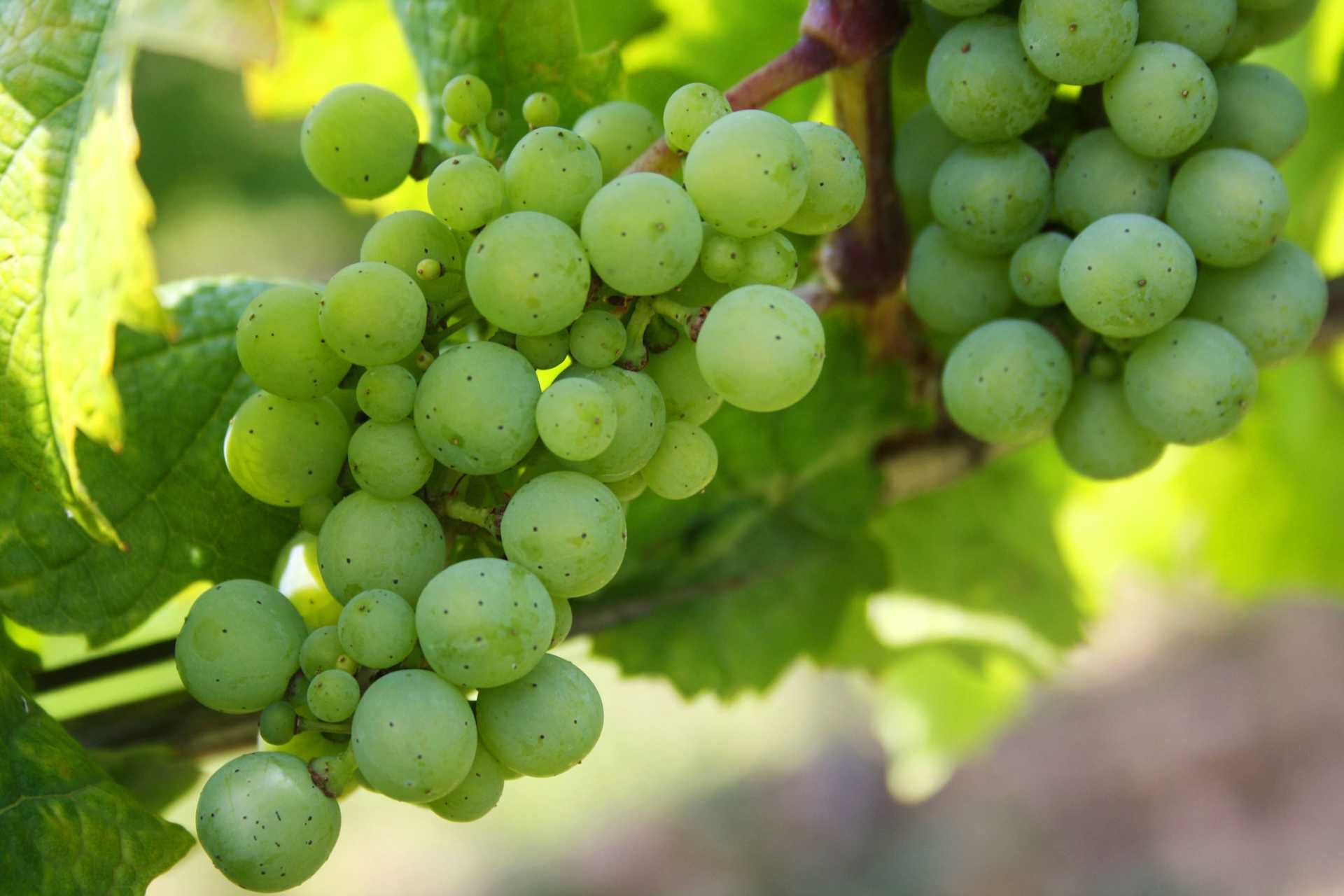
With hundreds of white grape varieties to choose from, winemakers have the freedom to create a virtually endless assortment of blended white wines. In many European regions, strict laws are in place determining the set of varieties that may be used in white wine blends, but in the New World, experimentation is permitted and encouraged. Blending can be utilized to enhance balance or create complexity, lending different layers of flavors and aromas. For example, a variety that creates a soft and full-bodied white wine blend, like Chardonnay, would do well combined with one that is more fragrant and naturally high in acidity. Sometimes small amounts of a particular variety are added to boost color or aromatics. Blending can take place before or after fermentation, with the latter, more popular option giving more control to the winemaker over the final qualities of the wine.

From Alabama to Wyoming, each of the fifty United States produces wine—with varying degrees of success. Many of the colder northeastern states focus primarily on American or French-American hybrid varieties like Concord and Vidal, while Muscadine is the grape species of the warm, humid southeast. In Alaska, grapes are grown indoors in greenhouses; other states specialize in fruit wines, like the pineapple wine of Hawaii. New York and Virginia have thriving wine industries, and New Mexico, Arizona, Texas, Michigan, Idaho, and Ohio are all worth keeping an eye on.