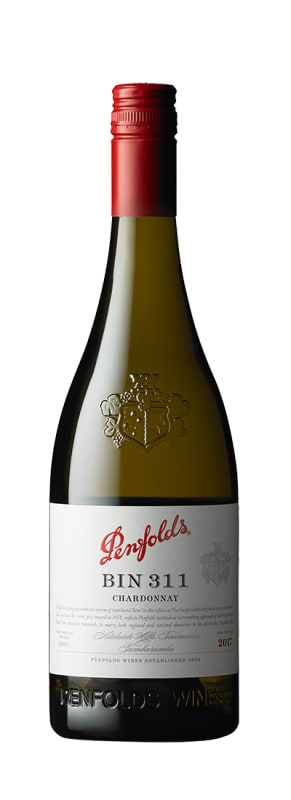


Winemaker Notes
Light straw color. Fresh and inviting – complexed by yeast lees-derived nougat and ground pistachio/almond/roasted chestnut. Scents of deconstructed crème brûlée ‘(flamed top and custardy middle), enhanced by ripe white nectarine and peach fruits. A liberal sprinkle of crushed rock/pebble dust (quartz, limestone?) certainly adds interest.
A very lively palate of freshly sliced cucumber and lime citrus flavors hovering over a soft and succulent acid underpinning. A tight phenolic grip induces wonderful length and drive to the finish. A cool climate regional trio – three different chardonnay expressions of texture/acidity/tightness/purity coalesce, propelling combined fruits/flavors. A ‘new Bin 311’ is revealed. Nice.
Professional Ratings
-
James Suckling
Aromas of nectarines, papaya, guava, white and yellow peaches and a whiff of lemon, all surrounded by smoothly delivered wood and winemaker influence. The palate is taut and crunchy with pithy grapefruit and cucumber crunch, then a wave of richer honeysuckle and light biscuity notes. Adelaide Hills, Tasmania and Tumbarumba fruit sourcing. Drink or hold.
-
Jeb Dunnuck
Deeper and richer, the 2017 Chardonnay Bin 311 was sourced from multiple regions in South East Australia and was brought up in barrels, some being new. Perfumed notes of white grapefruit, caramelized citrus, white flowers, and a terrific sense of salty minerality all emerge from this layered, medium-bodied effort. With bright acidity, a supple, layered texture, and a great finish, it’s a complete, incredibly high-quality white from this terrific producer.
-
Wilfred Wong of Wine.com
COMMENTARY: The 2017 Penfolds Bin 311 Chardonnay is an excellent wine. TASTING NOTES: This wine offers aromas and flavors of savory spices, tart apple, and mineral flavors. Pair with sautéed sea scallops and stir-fried snow peas over jasmine rice. (Tasted: March 21, 2020, San Francisco, CA)


Since 1844, Penfolds has been grounded in experimentation, curiosity and uncompromising quality. Their success has been driven by a lineage of visionary winemakers. It began with Dr. Christopher and Mary Penfold, the pioneers who dreamed big, inventing tonics, brandies, and fortified wines made from grapes and Australian sunshine. It continued with celebrated winemaking legends including Max Schubert, who pushed the development to extraordinary, bold new heights. It is this pioneering spirit and curiosity that still rings true after nearly two centuries, it is what has helped Penfolds become one of the most celebrated winemakers in the world today.

One of the most popular and versatile white wine grapes, Chardonnay offers a wide range of flavors and styles depending on where it is grown and how it is made. While it tends to flourish in most environments, Chardonnay from its Burgundian homeland produces some of the most remarkable and longest lived examples. California produces both oaky, buttery styles and leaner, European-inspired wines. Somm Secret—The Burgundian subregion of Chablis, while typically using older oak barrels, produces a bright style similar to the unoaked style. Anyone who doesn't like oaky Chardonnay would likely enjoy Chablis.

In essence a viticultural "super zone" covering Australia's best wine regions from the Pacific coast of Queensland across the states of New South Wales, Victoria, Tasmania and the southeastern half of South Australia. The term is used when vintners choose to source fruit from multiple regions in order to maintain a consistent finished wine from year to year.