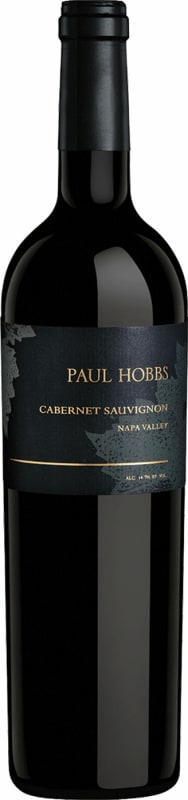


Winemaker Notes
Professional Ratings
-
James Suckling
Freshly picked blackberries, dark plums, licorice, iodine, oyster shell and chocolate shavings. Medium to full body, fresh acidity, fine tannins and a mineral finish.
-
Robert Parker's Wine Advocate
Very deep garnet-purple in color, the 2015 Cabernet Sauvignon (containing splashes of Petit Verdot and Cabernet Franc) opens with expressive crushed plums, mulberries and cassis with touches of dark chocolate, baking spice and black soil. Medium to full-bodied, it fills the mouth with approachable, spicy black fruit, framed by grainy tannins and oodles of freshness, finishing long with a pleasant herbal lift
-
Wine Spectator
Elegant and refined, though deeply tannic. The core of dark berry, licorice, loamy, gravelly earth, cedar and tobacco flavors gives this depth and structure. Drink now through 2029.
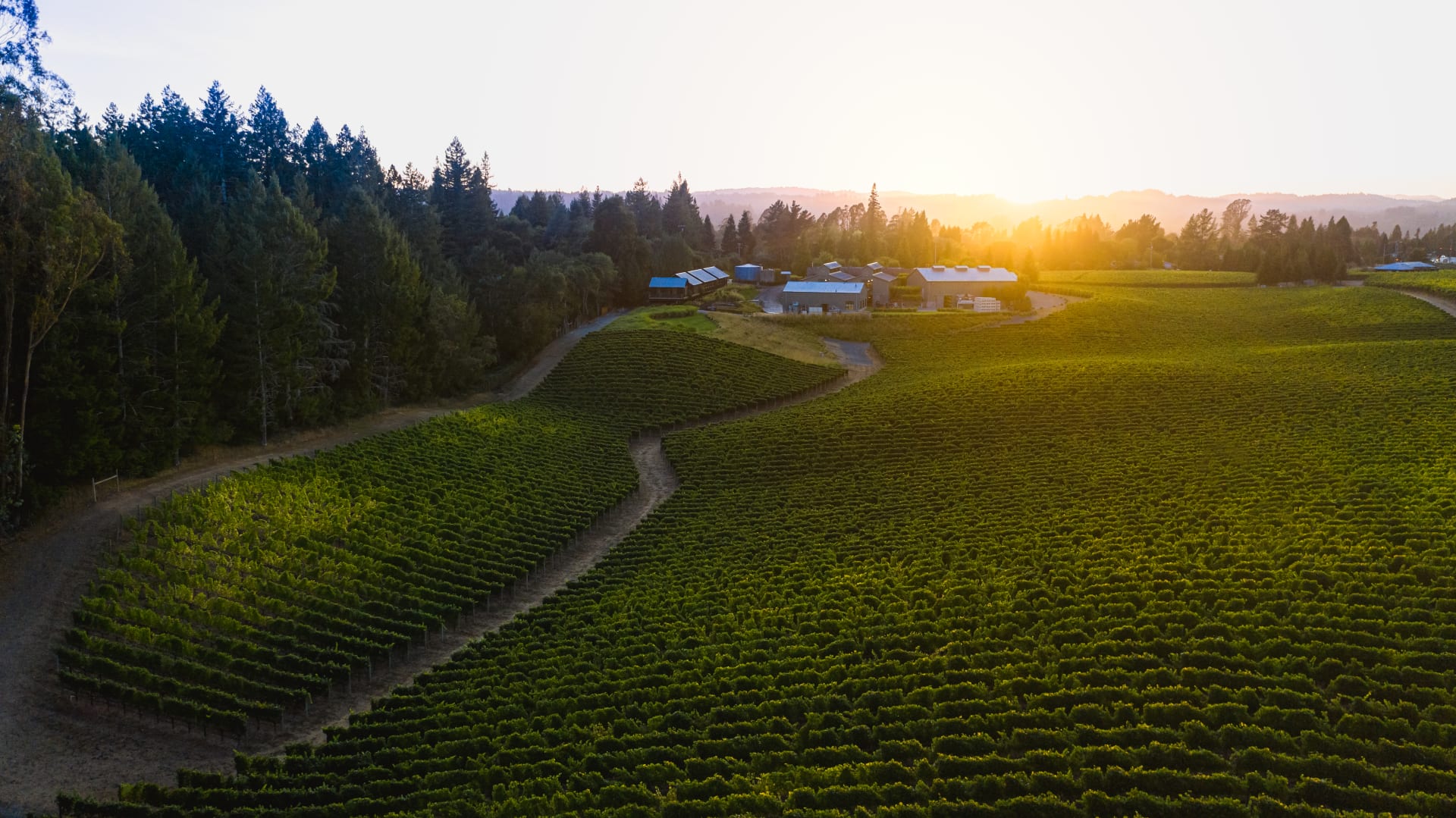




One of the most prestigious wines of the world capable of great power and grace, Napa Valley Cabernet is a leading force in the world of fine, famous, collectible red wine. Today the Napa Valley and Cabernet Sauvignon are so intrinsically linked that it is difficult to discuss one without the other. But it wasn’t until the 1970s that this marriage came to light; sudden international recognition rained upon Napa with the victory of the Stag’s Leap Wine Cellars 1973 Cabernet Sauvignon in the 1976 Judgement of Paris.
Cabernet Sauvignon undoubtedly dominates Napa Valley today, covering half of the land under vine, commanding the highest prices per ton and earning the most critical acclaim. Cabernet Sauvignon’s structure, acidity, capacity to thrive in multiple environs and ability to express nuances of vintage make it perfect for Napa Valley where incredible soil and geographical diversity are found and the climate is perfect for grape growing. Within the Napa Valley lie many smaller sub-AVAs that express specific characteristics based on situation, slope and soil—as a perfect example, Rutherford’s famous dust or Stags Leap District's tart cherry flavors.