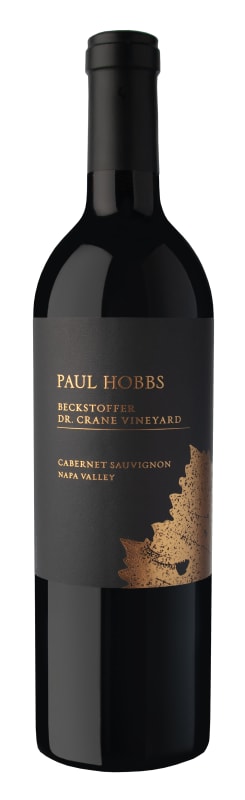


Winemaker Notes
The wine reveals a striking deep garnet color, with aromas of red currant and cherry compote gracefully accented by dried rosemary, black pepper, and bay laurel. Supple, seamlessly integrated tannins complement rich notes of cocoa, plum, blueberry, and tobacco leaf, with an enticing vein of minerality woven throughout the mid-palate. Each element flawlessly melds together, ending in an expansive and enduring finish.
Professional Ratings
-
Decanter
As with most 2022 Cabernets from this iconic site in St. Helena, the typically fragrant, dusty mineral character takes a backseat in this vintage to the fruit profile, which showcases ripe blackberry, plum, and raspberry, nuanced by sandalwood and wild anise. Yet, with time in the glass, rich loamy earth and graphite emerge beneath the vibrant fruit spectrum. Pure silk on the palate, attractively ripe, with a fine streak of saline-mineral tension, perfumed elegance, and a building presence as the tannins become more granular. This wine’s graceful quality makes it one of the most food-friendly of Hobbs’ Beckstoffer reds in this vintage. This 100% Cabernet Sauvignon spent 20 months in 77% new French oak barrels.
-
Jeb Dunnuck
Black fruits, smoked tobacco, scorched earth, and cedary oak notes emerge from the 2022 Cabernet Sauvignon Beckstoffer Dr. Crane Vineyard. Medium to full-bodied, it stays fresh and focused with a more linear feel, showing beautiful balance and less sweetness than the Las Piedras. A classic, balanced, gorgeous wine, it will benefit from 3-4 years of bottle age and drink well for 15+ years.
-
Robert Parker's Wine Advocate
The 2022 Cabernet Sauvignon Beckstoffer Dr. Crane Vineyard is faintly herbal up front, backed by a mix of ripe red and black cherries plus hints of vanilla and cedar. Full-bodied, this vintage is really silky and suave, plush and already luscious, although sticklers may suggest the flavors fade just a bit quicker on the finish than, say, the 2021 or 2019.
-
James Suckling
A big, broad and expansive wine that dramatically shows off ripe fruit flavors and abundant oak spices. So full-bodied, rich and mouth-filling in texture, offering dried blackberry, grilled plum and baked cherry flavors. The moderate to full tannins are velvety and melting. Aged in 77% new oak, which is less than usual for this bottling. Drink now or hold.
-
Vinous
The 2022 Cabernet Sauvignon Beckstoffer Dr. Crane Vineyard is a powerful wine. Macerated cherry, spice, pipe tobacco and cedar gradually open. In 2022, the Dr. Crane is soft and open-knit. It’s a wine to drink early. There are no hard edges, but this simply lacks depth, complexity and site expression.
-
Wine Spectator
A friendly red, with a plump and up-front set of plum and cherry flavors backed by a caressing edge (the structure is minimal) through the alder- and mineral-tinged finish, which shows a touch of freshness.






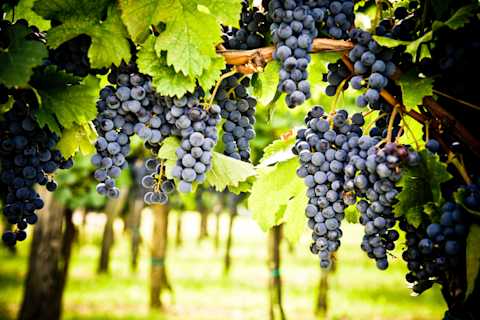
A noble variety bestowed with both power and concentration, Cabernet Sauvignon enjoys success all over the globe, its best examples showing potential to age beautifully for decades. Cabernet Sauvignon flourishes in Bordeaux's Medoc where it is often blended with Merlot and smaller amounts of some combination of Cabernet Franc, Malbecand Petit Verdot. In the Napa Valley, ‘Cab’ is responsible for some of the world’s most prestigious, age-worthy and sought-after “cult” wines. Somm Secret—DNA profiling in 1997 revealed that Cabernet Sauvignon was born from a spontaneous crossing of Cabernet Franc and Sauvignon Blanc in 17th century southwest France.
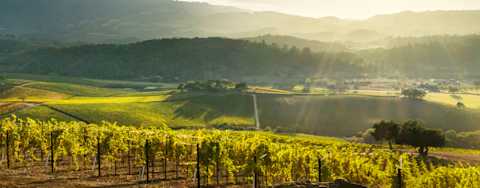
St. Helena is in the heart of the Napa Valley, nestled between Calistoga to the north and Rutherford on its southern border. On its western side, the Mayacamas Mountains guard it from the cooling effects of the Pacific Ocean; to its east stand the Vaca Mountains. In conjunction, these mountain ranges serve to lock in summer daytime heat. But in the evening, cool air from the San Pablo Bay funnels up through the valley, creating very chilly nights. It isn’t uncommon for temperatures to drop 50 degrees, a shift that promotes a balance of sugar ripeness and acidity in wine grapes.
St. Helena contains a plethora of different soil types in a small area, which have been enhanced over centuries by rain runoff from both mountain ranges. Its vineyards cover a variety of terrain, spreading across the bucolic valley floor and its benchlands.
These ideal topographic and climatic growing conditions easily caught the attention of early winemaking pioneers. In fact, St. Helena is the birthplace of Napa Valley’s commercial wine industry. Dr. Crane founded his cellar in 1859, David Fulton in 1860 and Charles Krug in 1861.
Today there are no less than 400 separate vineyards planted within the 12,000 acres that make up the St. Helena appellation.
Revered most for its red wines based on Bordeaux varieties, namely Cabernet Sauvignon, the St. Helena appellation is also a source of superior Syrah, Zinfandel and Sauvignon blanc.