

Winemaker Notes
Professional Ratings
-
Robert Parker's Wine Advocate
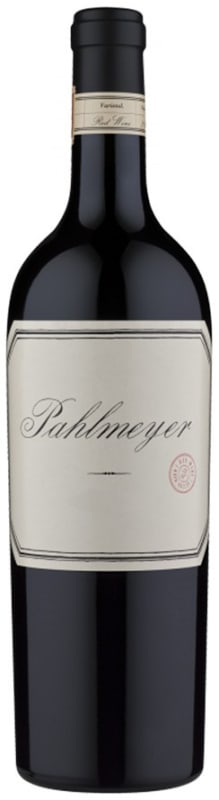
There are 7,000 cases of the prodigious 2006 Proprietary Red Wine (a blend of 80% Cabernet Sauvignon, 10% Merlot, and the rest Cabernet Franc, Petit Verdot, and Malbec). Most of the fruit comes from the Stagecoach Vineyard and the Waters Ranch. Sweet, smoky, meaty aromas interwoven with melted asphalt, camphor, blackberry, cassis, and charcoal scents emerge from the complex aromatics. In the mouth, the wine is full-bodied, displaying sweet tannin, a concentrated mouthfeel, and a long, heady finish with substantial fruit, glycerin, and extract. It should drink beautifully for 20+ years.
-
Connoisseurs' Guide
81% Cabernet Sauvignon; 10% Merlot; 6% Cabernet Franc; 2% Petit Verdot; 1% Malbec. This latest version of Pahlmeyer's proprietary Napa Valley blend is, as usual, a very big, very deep wine that delivers lots of no-holds-barred richness. Its involving mix of cherries, cassis, dried herbs and very rich oak comes with a certain Merlot-like roundness and immediacy, and it eschews overt tannins even while being very well-balanced. It is already showing a fair sense of complexity, but be assured that there is much more to come, and the smart collector with set it aside for from five to eight years.
-
Wine Spectator
Firm and structured, with a taut mix of dried currant, anise, sage, dusty berry and cedary oak. Full-bodied, concentrated and marked by chewy tannins, this is closed and needs time. The best of two bottles tasted. Cabernet Sauvignon, Merlot, Cabernet Franc, Petit Verdot and Malbec. Best from 2010 through 2016. 7,017 cases made.


Undoubtedly proving its merit over and over, Napa Valley is a now a leading force in the world of prestigious red wine regions. Though Cabernet Sauvignon dominates Napa Valley, other red varieties certainly thrive here. Important but often overlooked include Merlot and other Bordeaux varieties well-regarded on their own as well as for their blending capacities. Very old vine Zinfandel represents an important historical stronghold for the region and Pinot noir is produced in the cooler southern parts, close to the San Pablo Bay.
Perfectly situated running north to south, the valley acts as a corridor, pulling cool, moist air up from the San Pablo Bay in the evenings during the hot days of the growing season, which leads to even and slow grape ripening. Furthermore the valley claims over 100 soil variations including layers of volcanic, gravel, sand and silt—a combination excellent for world-class red wine production.