


Winemaker Notes
Drink until 2040.
Professional Ratings
-
Robert Parker's Wine Advocate
Believe it or not, the 2004 Termanthia is even better than the Numanthia. From an 11 acre plot, 2600 feet above sea level, planted with 100+-year-old ungrafted vines, the yields were well under 1 ton of fruit per acre. The wine was barrel fermented and received the "200% new oak" treatment over 20 months before being bottled unfined and unfiltered. Opaque purple-colored, the wine has an awesome nose which is already multi-faceted. There are elements of pain grille, lead pencil, mineral, violets, blueberry and blackberry with just a bit more subtlety and nuance than its two colleagues. On the palate the wine is an infant developmentally with densely packed ripe fruit, sensational balance, and a seamlessness that must be tasted to be believed. It should age like a great vintage of Lafite or Latour and have at least a 50 year life span. If you have a soul, sell it to the devil for a few bottles of this extraordinary liquid. There are only 1500 bottles for the American market.
-
Wine Spectator
Powerful yet graceful, this red shows concentration, intensity and elegance. Oak is dominant now, with luscious mocha, dark chocolate and toasty flavors, but there's plenty of ripe black fruit underneath. Massive tannins are so well-integrated the wine feels plush, and lively acidity keeps this balanced. Best from 2010 through 2020.
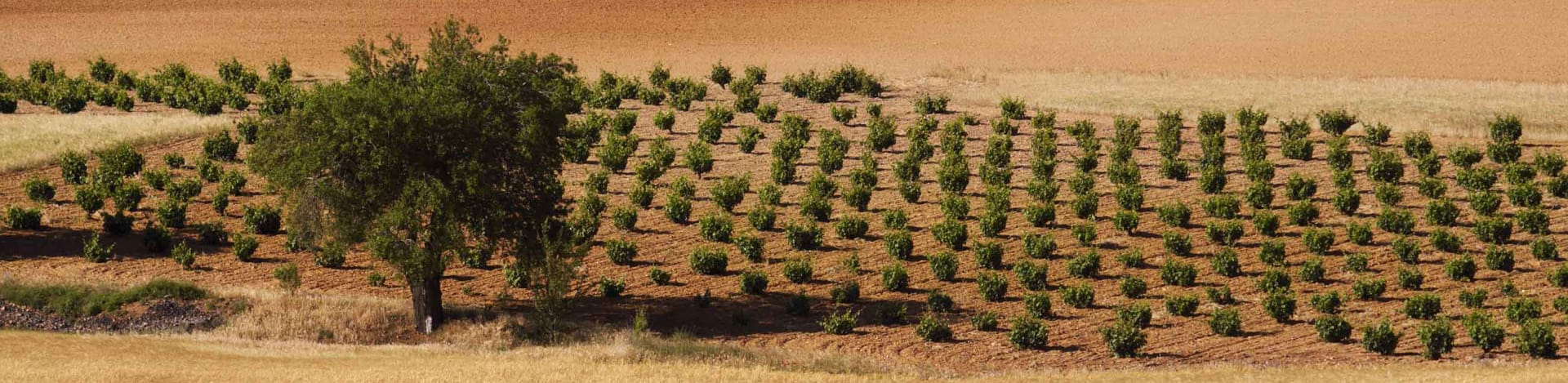



Numanthia is located in the Toro region of Spain. Its four vineyards are located along the south bank of the Duero River.
The wine is named after a legendary Spanish city that was destroyed (after 20 yrs of resistance) by Roman legions. It is to Spain what the hilltop village of Masada is to Israel: a monument of history. Its 40 hectares of land are covered with an abundance of elements derived from the disintegration of Pliocene grit, clay and limestone.
Numanthia's first vintage was produced in 1998 and received a 95-point rating from Robert Parker. Since then, the Toro region has been producing wines that have begun to rival those of Spain's richest wine-producing regions of Ribera del Duero, Rioja and Priorat.

Spanish red wine is known for being bold, heady, rustic and age-worthy, Spain is truly a one-of-a-kind wine-producing nation. A great majority of the country is hot, arid and drought-ridden, and since irrigation has only been recently introduced and (controversially) accepted, viticulture has sustained—and flourished—only through a great understanding of Spain’s particular conditions. Large spacing between vines allows each enough resources to survive and as a result, the country has the most acreage under vine compared to any other country, but is usually third in production.
Of the Spanish red wines, the most planted and respected grape variety is Tempranillo, the star of Spain’s Rioja and Ribera del Duero regions. Priorat specializes in bold red blends, Jumilla has gained global recognition for its single varietal Monastrell and Utiel-Requena has garnered recent attention for its reds made of Bobal.