


Winemaker Notes
Professional Ratings
-
James Suckling
Super deep and concentrated, this has menacingly deep black plum and cherry fruits. There are iodine and coal smoky notes, yet the fruit is all powerful. There's an extra dimension on the palate with a silky glycerol layer. Drink now but best from 2025.
-
Wine & Spirits
The jewel in the crown of Numanthia, this wine comes from a vineyard planted more than 120 years ago on stony ground. A classic Toro in its structure, it has powerful tannins, huge and tense. These tannins hold a colossal fruit weight, rich in nuances of blackberries and black cherries. And although it is very young, its future is already apparent. With a decade of bottle age, this will develop all the complexity of spice and earth that defines the best Toro reds.
-
Wine Spectator
Cherry, cranberry and red plum flavors show a tart, crunchy character in this red, while firm tannins and citrusy acidity keep this solid and structured. Offers power and energy. Drink now through 2025.
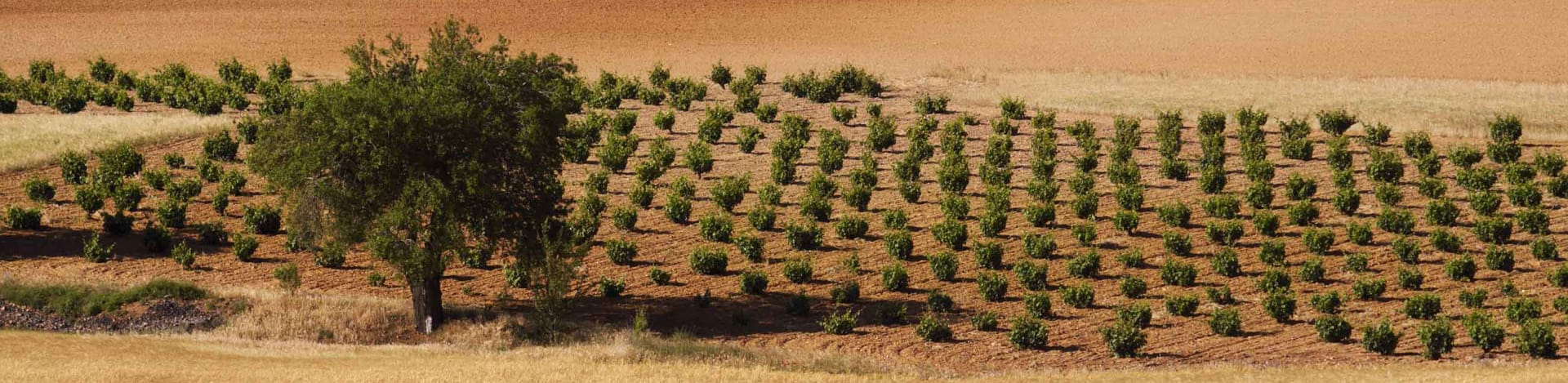



Numanthia is located in the Toro region of Spain. Its four vineyards are located along the south bank of the Duero River.
The wine is named after a legendary Spanish city that was destroyed (after 20 yrs of resistance) by Roman legions. It is to Spain what the hilltop village of Masada is to Israel: a monument of history. Its 40 hectares of land are covered with an abundance of elements derived from the disintegration of Pliocene grit, clay and limestone.
Numanthia's first vintage was produced in 1998 and received a 95-point rating from Robert Parker. Since then, the Toro region has been producing wines that have begun to rival those of Spain's richest wine-producing regions of Ribera del Duero, Rioja and Priorat.

Notoriously food-friendly, long-lasting and Spain’s most widely planted grape, Tempranillo is the star variety of red wines from Rioja and Ribera del Duero. The Rioja terms Joven, Crianza, Reserva and Gran Reserva indicate both barrel and bottle time before release. Traditionally blended in Rioja with Garnacha, plus a bit of Mazuelo (Carignan) and Graciano, the Tempranillo in Ribera del Duero typically stands alone. Somm Secret—Tempranillo claims many different names depending on location. In Penedès, it is called Ull de Llebre and in Valdepeñas, goes by Cencibel. Known as Tinta Roriz in Portugal, Tempranillo plays an important role in Port wine.

Spain's remote, high elevation Spanish wine zone between the regions of Bierzo and Ribera del Duero produces intense, full-bodied reds made from Tempranillo, locally called Tinta de Toro. This local variant has adapted to the region’s climatic extremes and recognizing its potential, top producers from Ribera del Duero and Rioja have invested heavily in its vineyards.