

Winemaker Notes
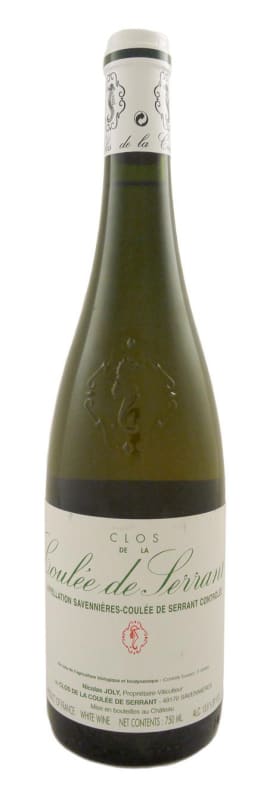
One of the most fabled vineyards in all of France, this site bears its own appellation for 7 hectares. The steep vineyard plunges dramatically overlooking the Loire river. Tilled by both tractor and horse, its lean schist soils produce a unique nectar who's traits epitomize the notion of terroir. The vines are 35-40 years old (with some reaching 80 years old), planted 4800-6700 vines per hectare. The wine is never chaptalized and indigenous yeasts power the fermentation. Barrel fermented and aged, only 5% new oak is used with some stirring of the lees during the process. Light sulfuring happens at bottling following a very light filtration.


Unquestionably one of the most diverse grape varieties, Chenin Blanc can do it all. It shines in every style from bone dry to unctuously sweet, oaked or unoaked, still or sparkling and even as the base for fortified wines and spirits. Perhaps Chenin Blanc’s greatest asset is its ever-present acidity, maintained even under warm growing conditions. Somm Secret—Landing in South Africa in the mid 1800s, today the country has double the acreage of Chenin Blanc planted compared to France. There is also a new wave of dedicated producers committed to restoring old Chenin vines.

Known for its delightful whites and sparkling Pétillant and Mousseux, made predominantly of Chenin blanc, Anjou has a temperate and dry maritime climate. The region's limited temperature variations are admiringly referred to locally as the “douceur angevine,” or “Anjou sweetness.” Fruit forward rosé and red wines from Cabernet Franc and Gamay merit Anjou its success within the Loire subregions.