


Winemaker Notes
Professional Ratings
-
Connoisseurs' Guide
Rich and ripe and, by small measure, the juiciest and most forward of its clan, this supple, full-bodied effort is a fleshy, concentrated working that features loads of primary, black cherry fruit with subtle background notes of dark soil and integral oaky spice to its exceptionally long and insistently well-focused flavors. It is both weighty and fairly easy to access despite being balanced to age wonderfully for a half-decade or more, and, while it is certain to show more layering and complexity as it does, it presently possesses so much fruity richness that waiting will not come easy.
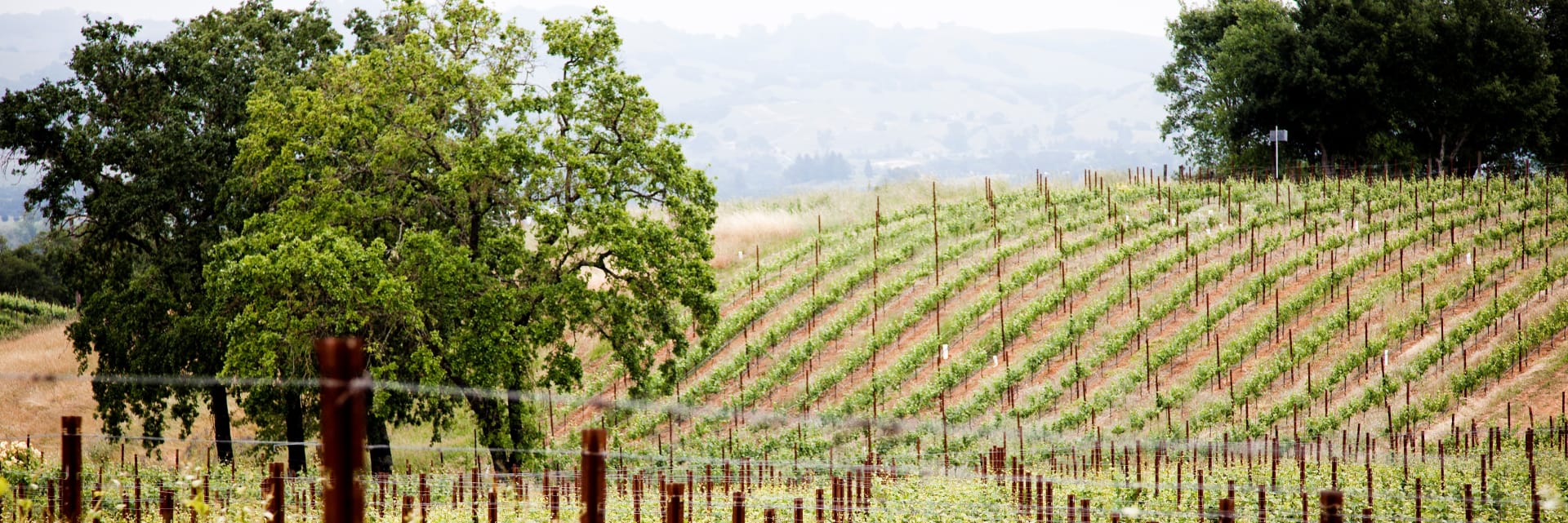



Merry Edwards Winery was founded in 1997 and produces critically acclaimed terroir-driven Pinot Noirs and Sauvignon Blanc using site-specific viticulture in the Russian River Valley and Sonoma Coast appellations. Over two decades, Merry assembled a stellar collection of vineyards and with her meticulous attention to detail crafted Pinot Noirs of immense depth, elegant structure and exceptional longevity. Her Sauvignon Blanc is among the most sought after in the world.
Now a Certified California Sustainable Winery, the brand entered a new chapter after Merry’s retirement. Merry’s handpicked successor, Winemaker Heidi von der Mehden, and Winery President Nicole Carter have taken up exactly where Merry left off and will continue to make wines treasured by legions of Merry Edwards’ fans well into the future.

While the Russian River Valley is a large appellation with multiple climate zones and soil types, it is best known for cool-climate varieties, with Pinot Noir as the most celebrated. The grapes benefit from a reliable late afternoon flow of Pacific Ocean fog through the Petaluma Gap and along the Russian River Valley that ensures slow and steady ripening and the preservation of grape acidity. Today many of California’s most highly regarded Pinot Noir vineyards are in the Russian River Valley, along with its sub-appellation, Green Valley.
Historically Russian River Valley Pinot Noirs had bright red fruit and delicate earthy, mineral notes. But changes in viticultural and winemaking practices have led to stylistic changes in some of the region’s wines. Adjustments to canopy management, among other techniques, have resulted in riper fruit and bolder wines as well. These show flavors of black cherry, blackberry, cola, spice and darker, loamy earth tones, accenting traditional Pinot Noir notes of strawberry, raspberry and light cherry.