


Winemaker Notes
Professional Ratings
-
James Suckling
A dark-fruited red that shows mulberries, blackberries, creme de cassis, vanilla and dark chocolate with a touch of fresh herbs and cedar. Full body, round yet structured tannins and a chewy finish.
-
Wine Spectator
Bold, assertive tannins uplift the plum, black cherry, earth, leather and spice flavors in this muscular red, which is balanced in a youthful way, with concentration and a long, fruit-driven aftertaste. Best from 2022 through 2033.
-
Robert Parker's Wine Advocate
This wine sports one of my all-time favorite front labels. The 2015 Philip reflects the bold, contemporary and colorful themes that are reflected in the painted portrait of Philip Mazzei (1730-1816) depicted on the label. The wine shows a beautiful appearance with brilliant ruby and dark garnet tones. The bouquet is packed tight with black fruit, blackberry, spice, tobacco and leather. This warm vintage delivers broader and slightly flatter fruit compared to the cooler vintages. The fruit here is loosely knit, dark and ripe, and I would suggest a shorter drinking window as a result. This vintage lacks the depth and dimension of the previous 2013 edition.
-
Wilfred Wong of Wine.com
COMMENTARY: The 2015 Mazzei Philip Cabernet Sauvignon brings excellent richness to the fore. TASTING NOTES: This wine shows up to be counted. Enjoy its generous, ripe black and oaky aromas and flavors. Try it with grilled short ribs. (Tasted: August 30, 2020, San Francisco, CA)
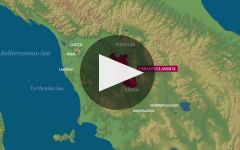


Established in 1435, the Mazzei family is one of Tuscany’s oldest wine dynasties and they have been cultivating vineyards and crafting fine wine for over 600 years in Fonterutoli in the heart of Chianti Classico. Leading the portfolio today are the Marchesi Mazzei, brothers Francesco and Filippo, as well as Filippo’s son Giovanni, the 25th generation. Notable ancestors include Ser Lapo Mazzei, author of the first known document (1398) using Chianti to reference the wine and region and Philip, an Italian turned American patriot whose friendship and correspondence with Thomas Jefferson inspired the idea that “all men are by nature equally free and independent,” which influenced the Declaration of Independence.
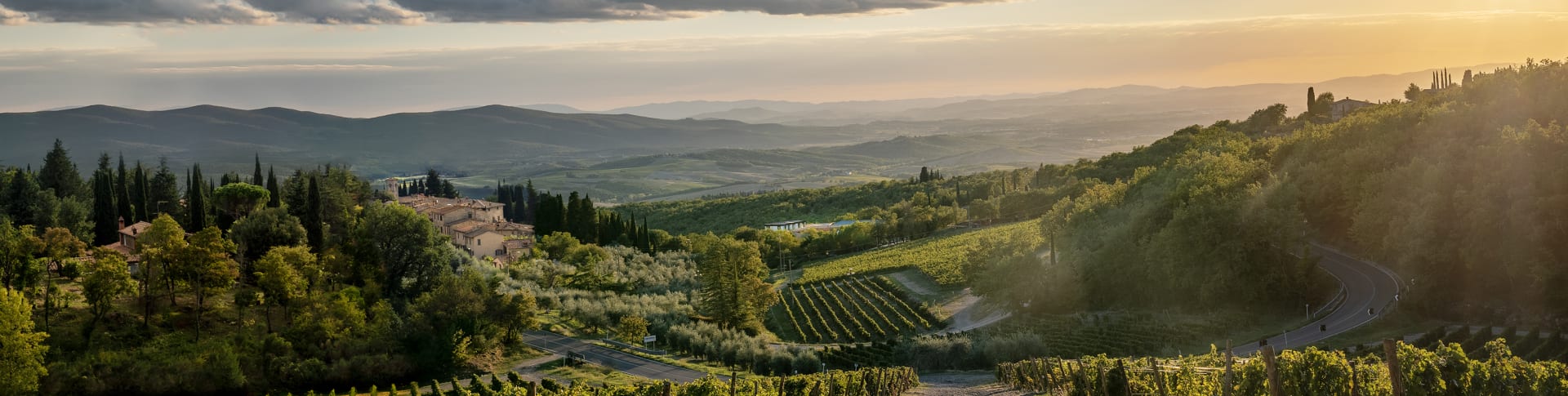
While the family has always honored their legacy, producing acclaimed wines of extraordinary aromatic richness, balance and complexity, they are also leaders in viticulture and vinification. The winery’s vineyards cover 110 hectares across 7 sub-zones of Chianti Classico featuring different soils, altitudes (720-1870 feet) and micro-climates. All their vineyards are farmed with customized organic practices that focus on soil health, preservation of biodiversity, reduction of copper use, and absorbing 5x more CO2 than is expressed out; a true commitment to reducing environmental impact and fostering sustainability. From their state-of-the-art low-impact, gravity fed cellar to their massal selections and clonal research, the current generation pursues innovation that elevates their wines and protects their ecosystem. This balance of preservation and evolution is also found in the family’s estates in Maremma (Belguardo) and Sicily (Zisola).

Legendary in Italy for its Renaissance art and striking landscape, Tuscany is also home to many of the country’s best red wines. Sangiovese reigns supreme here, as either the single varietal, or a dominant player, in almost all of Tuscany’s best.
A remarkable Chianti, named for its region of origin, will have a bright acidity, supple tannins and plenty of cherry fruit character. From the hills and valleys surrounding the medieval village of Montalcino, come the distinguished and age-worthy wines based on Brunello (Sangiovese). Earning global acclaim since the 1970s, the Tuscan Blends are composed solely of international grape varieties or a mix of international and Sangiovese. The wine called Vine Nobile di Montepulciano, composed of Prognolo Gentile (Sangiovese) and is recognized both for finesse and power.