


Winemaker Notes
Professional Ratings
-
James Suckling
A very rich, layered Siepi with lots of ripe plums and cherries and just a hint of jam. Some chocolate and a whiff of cedar. It’s full-bodied and round with soft tannins and a juicy finish. Drink or hold.
-
Robert Parker's Wine Advocate
Like 2011, 2012 was a hot vintage (with a complete absence of rain in summer), but it also saw a chilly winter with abundant snow and good underground moisture reserves for deep roots. Production was lower with the Mazzei 2012 Siepi, which saw about 14,000 bottles produced because of lower yields and more stringent fruit selection during harvest. This wine shows a distinctive and elegant bouquet with balsam herb and rosemary beyond dark fruit and dried plum. The mouthfeel is moderate in length and depth, but there is a note of freshness that comes out nicely on the finish. Best After 2022
-
Wine Spectator
Features flavors of black currant, blackberry and a hefty dose of vanilla and toast. The oak adds a layer of tannins to an already firm wine. Flamboyant, fresh and long, but needs time to absorb the tannins. Sangiovese and Merlot. Best from 2018 through 2024. 1,167 cases made.
-
Wine Enthusiast
A 50-50 blend of Sangiovese and Merlot, this dense, extracted wine opens with aromas with vanilla, new oak, ripe black fruit, mocha and roasted coffee beans. The palate offers oak extract, coconut, toast, chocolate, fleshy plum and blackberries alongside velvety tannins. It’s still resting heavily on its oak so give it a few years to integrate.
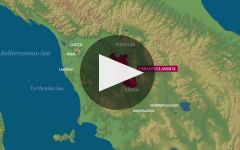


Established in 1435, the Mazzei family is one of Tuscany’s oldest wine dynasties and they have been cultivating vineyards and crafting fine wine for over 600 years in Fonterutoli in the heart of Chianti Classico. Leading the portfolio today are the Marchesi Mazzei, brothers Francesco and Filippo, as well as Filippo’s son Giovanni, the 25th generation. Notable ancestors include Ser Lapo Mazzei, author of the first known document (1398) using Chianti to reference the wine and region and Philip, an Italian turned American patriot whose friendship and correspondence with Thomas Jefferson inspired the idea that “all men are by nature equally free and independent,” which influenced the Declaration of Independence.
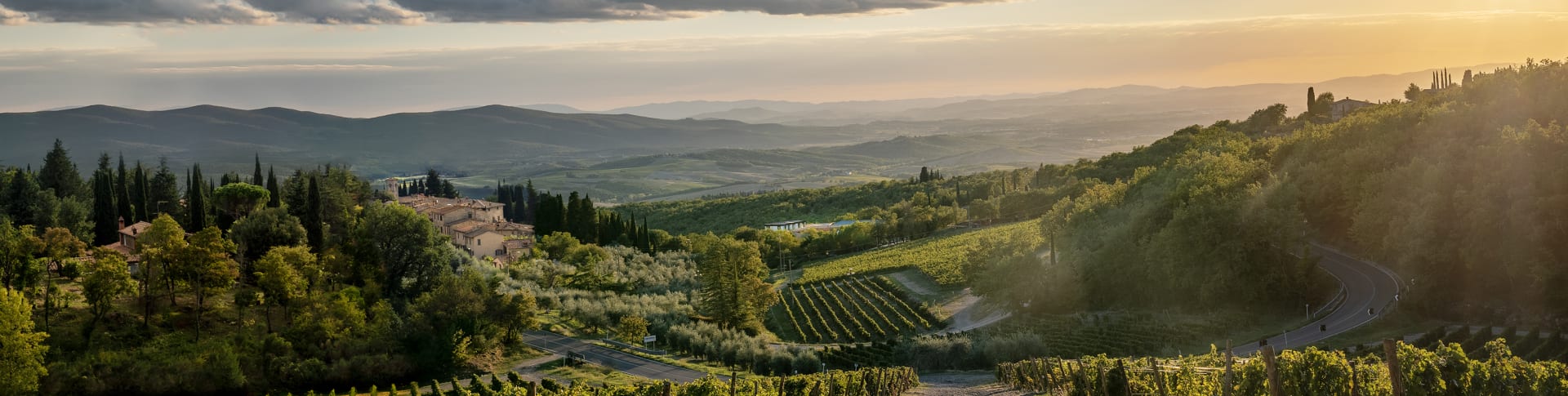
While the family has always honored their legacy, producing acclaimed wines of extraordinary aromatic richness, balance and complexity, they are also leaders in viticulture and vinification. The winery’s vineyards cover 110 hectares across 7 sub-zones of Chianti Classico featuring different soils, altitudes (720-1870 feet) and micro-climates. All their vineyards are farmed with customized organic practices that focus on soil health, preservation of biodiversity, reduction of copper use, and absorbing 5x more CO2 than is expressed out; a true commitment to reducing environmental impact and fostering sustainability. From their state-of-the-art low-impact, gravity fed cellar to their massal selections and clonal research, the current generation pursues innovation that elevates their wines and protects their ecosystem. This balance of preservation and evolution is also found in the family’s estates in Maremma (Belguardo) and Sicily (Zisola).

Legendary in Italy for its Renaissance art and striking landscape, Tuscany is also home to many of the country’s best red wines. Sangiovese reigns supreme here, as either the single varietal, or a dominant player, in almost all of Tuscany’s best.
A remarkable Chianti, named for its region of origin, will have a bright acidity, supple tannins and plenty of cherry fruit character. From the hills and valleys surrounding the medieval village of Montalcino, come the distinguished and age-worthy wines based on Brunello (Sangiovese). Earning global acclaim since the 1970s, the Tuscan Blends are composed solely of international grape varieties or a mix of international and Sangiovese. The wine called Vine Nobile di Montepulciano, composed of Prognolo Gentile (Sangiovese) and is recognized both for finesse and power.