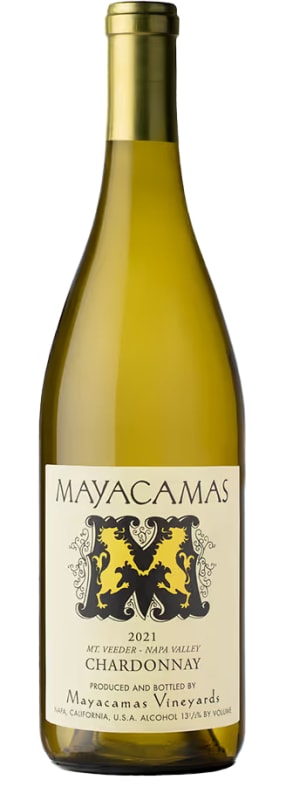


Winemaker Notes
The wine opens with lifted aromatics of subtle tones of jasmine and lemongrass supported by a lovely fruit set of Meyer lemon, white peach, and Bartlett pear. On the palate the wine expands, broadening the frame, bringing layers of texture and energy. Secondary flavors of bergamot, and green cardamom round out the mid-palate. The finish is long with lingering notes of orchard fruit, flint rock and salinity.
Professional Ratings
-
Jeb Dunnuck
The 2021 Chardonnay is bright and racy, with a clean, pure style as well as a kiss of good reduction in its citrus, lemon, and tart melon-like aromas and flavors. This Chablis-like Chardonnay will evolve nicely over the coming 10-12 years if well stored.
-
James Suckling
Clean, razor-sharp chardonnay with chalky lemons, fresh pineapple, dried tangerine peel, flint and dried herbs. Hints of praline, too. Medium- to full-bodied, crisp and tense with vivid acidity coming through. Chalky minerality. Very dynamic and characterful.
-
Robert Parker's Wine Advocate
The 2021 Chardonnay is made in a crisp, restrained style, spending 12 months in a mix of different barrels, up to 500 liters in volume. Less than 10% are new, and malolactic fermentation is blocked to retain freshness. Melon, pear and citrus notes come through on the nose and medium-bodied palate, while the finish is moderately silky in texture yet zesty, powered by bright lemon-lime notes. Best After 2023. Rating: 92+
-
Wine Spectator
Features a fresh mix of Meyer lemon, pomelo and pear flavors at the core, with terrific structure, vibrancy and intensity. Juicy finish, where lemon thyme oil and mineral notes linger. Drink now through 2034. 1,985 cases made.


One of the most popular and versatile white wine grapes, Chardonnay offers a wide range of flavors and styles depending on where it is grown and how it is made. While it tends to flourish in most environments, Chardonnay from its Burgundian homeland produces some of the most remarkable and longest lived examples. California produces both oaky, buttery styles and leaner, European-inspired wines. Somm Secret—The Burgundian subregion of Chablis, while typically using older oak barrels, produces a bright style similar to the unoaked style. Anyone who doesn't like oaky Chardonnay would likely enjoy Chablis.

Centered at the peak for which it is named, Mount Veeder is Napa’s largest sub-AVA. But even though the entire appellation spreads over 16,000 acres, vineyards cover a mere 1,000. Scattered among Douglas firs and bristlecone pines, Mount Veeder vineyards extend south from the upper elevations of the Mayacamas Mountains—the highest point at 2,400 feet—to the border of the Carneros region. Less than 25 wineries produce wine from Mount Veeder fruit.
Winemaking began early in this appellation. In 1864, Captain Stelham Wing presented the first Mount Veeder wine to the Napa County Fair; it came from today’s Wing Canyon Vineyard. Prohibition, of course, halted winemaking and viticulture wasn’t revitalized until the founding of Mayacamas Vineyards in 1951 and Bernstein Vineyards in 1964.
The Bernstein Vineyards was actually home to the first Petit Verdot in California, planted in 1975. Today most of the Petit Verdot in Napa Valley originates from this vineyard.
Rocky volcanic clay and ancient seabed matter dominate Mount Veeder soils—perfect for Bordeaux varieties. Cabernet Sauvignon, Merlot, Malbec, Cabernet Franc and Petit Verdot enjoy spectacular success. These varieties produce wines rich in brambly blackberry and black cherry fruit with herbal and floral aromatics. Structures are moderate to assertive and wines have great staying power.
Chardonnay from Mount Veeder is lush, full and balanced mineral and fresh citrus flavors.