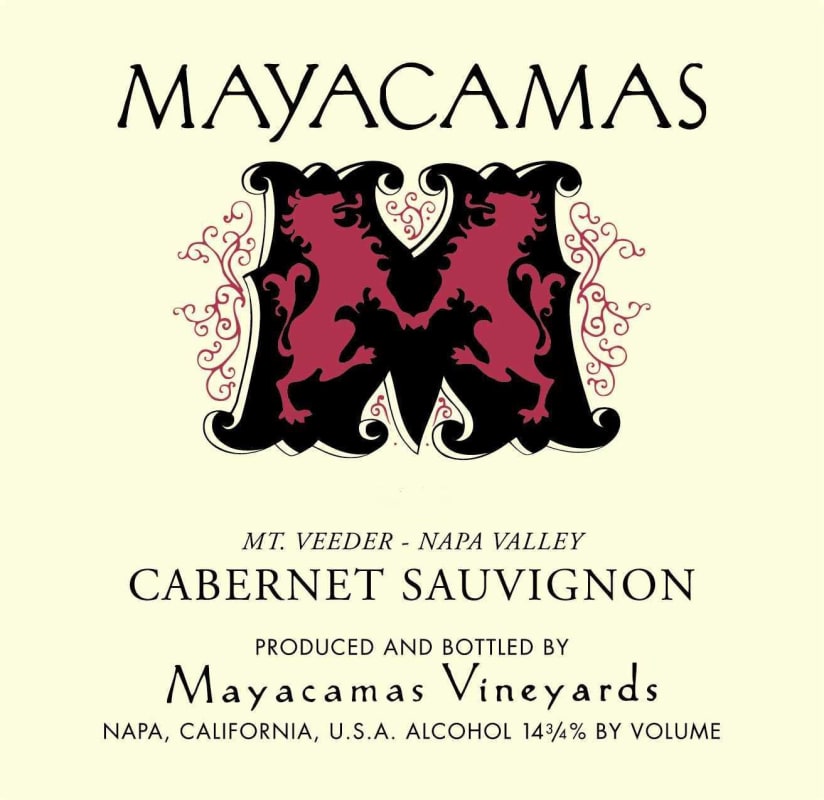

Winemaker Notes
#2 Wine Spectator Top 100 of 2019
The 2015 Cabernet Sauvignon has great elegance and power. Ripe raspberry and sarsaparilla highlight the aromatics on the nose. Layered notes of dried lavender and wet slate highlight both vineyard site and winemaking style. On the palate this wine's fresh acidity and gravelly minerality lead to great focus at the finish and compliment notes of fig, leather and cacao.
Professional Ratings
-
Wine Spectator
Youthfully compact, with tightly wound black currant, bitter plum and dark blueberry notes, this needs time to meld with the charcoal, bay leaf and tar streaks, but the mouthwatering cut on the finish suggests that won't be a problem. Offers a long echo of juniper at the end. Best from 2023 through 2040
-
James Suckling
Some ripe blue fruit with mushroom character. Hint of conifer, too. Medium to full body. Pretty, firm and creamy tannins. Needs two or three years to come completely together, but already beautiful. Drink after 2022.
-
Wine & Spirits
Andy Erickson and Braiden Albrecht made this wine, following many of the practices set in place by Bob Travers, including a relatively early harvest, fermentation in cement vats (along with some opentop foudres and stainless steel), and long aging in neutral oak (20 months in foudre, 12 months in barrique). Like newly released Mayacamas wines of the past, this 2015 makes no concessions for early drinking. It’s austere, meaty, beefy and tense, with tannins that recall the volcanic soils and conifer forests of Mount Veeder. Concentrated and green, this needs years to evolve in the bottle.


A noble variety bestowed with both power and concentration, Cabernet Sauvignon enjoys success all over the globe, its best examples showing potential to age beautifully for decades. Cabernet Sauvignon flourishes in Bordeaux's Medoc where it is often blended with Merlot and smaller amounts of some combination of Cabernet Franc, Malbecand Petit Verdot. In the Napa Valley, ‘Cab’ is responsible for some of the world’s most prestigious, age-worthy and sought-after “cult” wines. Somm Secret—DNA profiling in 1997 revealed that Cabernet Sauvignon was born from a spontaneous crossing of Cabernet Franc and Sauvignon Blanc in 17th century southwest France.

Centered at the peak for which it is named, Mount Veeder is Napa’s largest sub-AVA. But even though the entire appellation spreads over 16,000 acres, vineyards cover a mere 1,000. Scattered among Douglas firs and bristlecone pines, Mount Veeder vineyards extend south from the upper elevations of the Mayacamas Mountains—the highest point at 2,400 feet—to the border of the Carneros region. Less than 25 wineries produce wine from Mount Veeder fruit.
Winemaking began early in this appellation. In 1864, Captain Stelham Wing presented the first Mount Veeder wine to the Napa County Fair; it came from today’s Wing Canyon Vineyard. Prohibition, of course, halted winemaking and viticulture wasn’t revitalized until the founding of Mayacamas Vineyards in 1951 and Bernstein Vineyards in 1964.
The Bernstein Vineyards was actually home to the first Petit Verdot in California, planted in 1975. Today most of the Petit Verdot in Napa Valley originates from this vineyard.
Rocky volcanic clay and ancient seabed matter dominate Mount Veeder soils—perfect for Bordeaux varieties. Cabernet Sauvignon, Merlot, Malbec, Cabernet Franc and Petit Verdot enjoy spectacular success. These varieties produce wines rich in brambly blackberry and black cherry fruit with herbal and floral aromatics. Structures are moderate to assertive and wines have great staying power.
Chardonnay from Mount Veeder is lush, full and balanced mineral and fresh citrus flavors.