


Winemaker Notes
Professional Ratings
-
Decanter
With well-layered tannic architecture and perfect, juicy fruit, the momentum is savoury and vibrant. Already enthralling, this wine will improve further. The 40ha of vineyards at Castelnuovo dell'Abate on the south-eastern side of Montalcino, became the property of Francesco Illy, former owner of Podere Le Ripi in Montalcino, in 2022.
-
Robert Parker's Wine Advocate
In the bottle with the yellow wax seal, the Mastrojanni 2020 Brunello di Montalcino Vigna Loreto (with 9,500 bottles made) embraces dark fruit nuances of damson plum, mulberry and pomegranate concentrate. This is one of the estate's most beautiful vineyard plots that you can admire as you make your way to the winery entrance. The site is awash in late-morning light. As the bouquet takes on more air, it shows blue flower, grilled rosemary and root beer. The effect is powerful yet nuanced and complex at the same time. This wine has more textural density and better length compared to many of its peers from the 2020 vintage.
-
Jeb Dunnuck
Displaying a bright ruby red hue, the 2020 Brunello Di Montalcino Vigna Loreto offers more purity than the estate Brunello, with preserved strawberries, black raspberries, crushed floral perfume, and herbes de Provence on the nose. The palate is medium to full-bodied and refined, with balanced acidity, polished tannins, and mineral salinity that carries through the long finish.
-
James Suckling
This wine is focused on violet-scented aromas, cherries and raspberries, as well as a lightly toasty undertone. Super savory on the full-bodied palate with crisp acidity, tight yet ripe tannins and a polished finish. Drinkable now, but best after 2025.
-
Vinous
The 2020 Brunello di Montalcino Vigna Loreto is tightly coiled in its youthful state. A burst of crushed ashen stones combine with grilled herbs, dusty earth and dried black cherries. This is surprisingly juicy and energetic within, with creamy textures yet notable lift, showcasing ripe red and blue fruits elevated by fresh acidity. Its minerality comes through in the finish, along with sweet tannins that add a lovely framework as hints of citrus-laced blackberries and cocoa fade.
-
Wine Spectator
The core cherry, raspberry and plum flavors are shaded by earth, iron and tobacco in this red. There are dense, dusty tannins underneath, plus a fluid feel until the finish, which is compact and gripping. Best from 2027 through 2043.

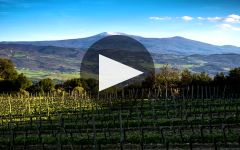


Mastrojanni has been writing history with its wines since 1975, collecting awards from all over the world. Today, thanks to an exceptional terroir and men who have believed in it for decades, Mastrojanni has become one of the most respected Montalcino producers. The Mastrojanni winery lies in Castelnuovo dell’Abate, in the south eastern most corner of Montalcino Municipality, in the Province of Siena. An artistic and architectural heritage, surrounded by the majesty of its natural landscapes and, above all, an area particularly suitable for vine cultivation: the homeland of Brunello. A strong identity, coherence and consistency in quality: these are the values that Mastrojanni has created and cultivated over the years and which enabled the company to stand out among its peers, with its original and high-quality profile. These values are the result of a passionate, proud and respectful interpretation of nature, tradition and history of the territory.

Among Italy's elite red grape varieties, Sangiovese has the perfect intersection of bright red fruit and savory earthiness and is responsible for the best red wines of Tuscany. While it is best known as the chief component of Chianti, it is also the main grape in Vino Nobile di Montepulciano and reaches the height of its power and intensity in the complex, long-lived Brunello di Montalcino. Somm Secret—Sangiovese doubles under the alias, Nielluccio, on the French island of Corsica where it produces distinctly floral and refreshing reds and rosés.

Famous for its bold, layered and long-lived red, Brunello di Montalcino, the town of Montalcino is about 70 miles south of Florence, and has a warmer and drier climate than that of its neighbor, Chianti. The Sangiovese grape is king here, as it is in Chianti, but Montalcino has its own clone called Brunello.
The Brunello vineyards of Montalcino blanket the rolling hills surrounding the village and fan out at various elevations, creating the potential for Brunello wines expressing different styles. From the valleys, where deeper deposits of clay are found, come wines typically bolder, more concentrated and rich in opulent black fruit. The hillside vineyards produce wines more concentrated in red fruits and floral aromas; these sites reach up to over 1,600 feet and have shallow soils of rocks and shale.
Brunello di Montalcino by law must be aged a minimum of four years, including two years in barrel before realease and once released, typically needs more time in bottle for its drinking potential to be fully reached. The good news is that Montalcino makes a “baby brother” version. The wines called Rosso di Montalcino are often made from younger vines, aged for about a year before release, offer extraordinary values and are ready to drink young.