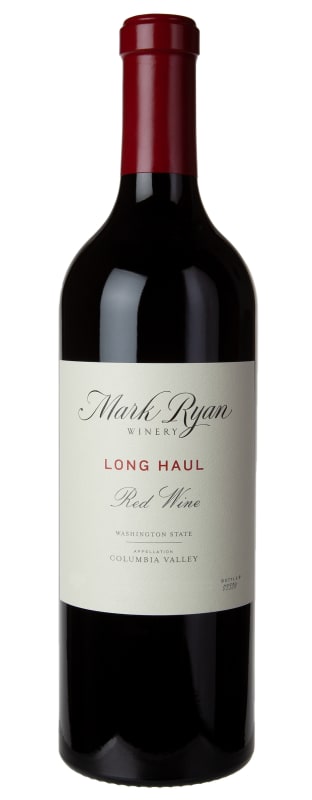


Winemaker Notes
71% Merlot, 19% Cabernet Franc, 6% Cabernet Sauvignon, 3% Malbec, 1% Petit Verdot
Professional Ratings
-
Jeb Dunnuck
A more Merlot-dominated wine, the 2020 Long Haul comes from Ciel du Cheval, Klipsun, and Red Willow vineyards and is 71% Merlot, 19% Cabernet Franc, and smaller doses of Cabernet Sauvignon, Malbec, and Petit Verdot. It's a pure, balanced, medium to full-bodied beauty offering lots of mulled red and black cherry fruits, some spice, chocolate, and herbal undertones, ripe tannins, and a great finish. Beautifully done, this is an elegant, balanced 2020 to enjoy over the coming 10-12 years.
-
Robert Parker's Wine Advocate
The 2020 Long Haul is mostly Merlot, blending with Cabernet Franc, Cabernet Sauvignon, Malbec and Petit Verdot. The nose wafts with soft herbs intertwined with dusty plums and sage notes. On the palate, it is full-bodied with succulent flavors of red plum and black raspberry and a soft, savory essence before concluding with a mineral-laced finish. Rating: 93+
-
Decanter
A blend of Merlot from Red Mountain and Red Willow sites allows older vine character from the Merlot to make a showing. Aromas of wild fennel, cinnamon and ripe Damson plums are accented by a smoked cedar plank note. The palate is an array of black and blue berry fruits, spiced plum cake, and touches of white and black pepper carry the finish.
-
Vinous
The 2020 Red Wine Long Haul is a Merlot heavy (71%) blend rounded out with 19% Cabernet Franc, 6% Cabernet Sauvignon, 3% Malbec and 1% Petit Verdot. It's perfumed in the glass with a mix of dried flowers, wild berries and exotic spices. This has a juicy persona with ripe red and blue fruits carried across a core of vibrant acidity. Clove and blueberry skin notes linger long as the 2019 tapers off with admirable length yet spry. Rating: 91+
-
Wine Enthusiast
This fullbodied, Merlot-driven blend is dark as night, with huckleberry ice cream and black coffee aromas posing as an exotic affogato. The wine’s blackberry and dark chocolate flavors are dense and sweet, with lime zest acidity and grippy tannins trying to keep things under control.
-
Wine Spectator
This broad-shouldered red offers a gutsy core framed by rich and multilayered raspberry, blueberry and espresso flavors that finish with medium-grained tannins. Merlot, Cabernet Franc, Cabernet Sauvignon, Malbec and Petit Verdot. Drink now through 2030. 1,869 cases made.


Over a decade later, Mark Ryan Winery has grown in size, earned acclaim from wine-lovers and critics alike, and garnered respect from the state's elite producers. The goal, however, remains the same. Make delicious wines that represent the vineyard from which they come, making every vintage better than the last.

One of the world’s most classic and popular styles of red wine, Bordeaux-inspired blends have spread from their homeland in France to nearly every corner of the New World. Typically based on either Cabernet Sauvignon or Merlot and supported by Cabernet Franc, Malbec and Petit Verdot, the best of these are densely hued, fragrant, full of fruit and boast a structure that begs for cellar time. Somm Secret—Blends from Bordeaux are generally earthier compared to those from the New World, which tend to be fruit-dominant.

A large and geographically diverse AVA capable of producing a wide variety of wine styles, the Columbia Valley AVA is home to 99% of Washington state’s total vineyard area. A small section of the AVA even extends into northern Oregon!
Because of its size, it is necessarily divided into several distinctive sub-AVAs, including Walla Walla Valley and Yakima Valley—which are both further split into smaller, noteworthy appellations. A region this size will of course have varied microclimates, but on the whole it experiences extreme winters and long, hot, dry summers. Frost is a common risk during winter and spring. The towering Cascade mountain range creates a rain shadow, keeping the valley relatively rain-free throughout the entire year, necessitating irrigation from the Columbia River. The lack of humidity combined with sandy soils allows for vines to be grown on their own rootstock, as phylloxera is not a serious concern.
Red wines make up the majority of production in the Columbia Valley. Cabernet Sauvignon is the dominant variety here, where it produces wines with a pleasant balance of dark fruit and herbs. Wines made from Merlot are typically supple, with sweet red fruit and sometimes a hint of chocolate or mint. Syrah tends to be savory and Old-World-leaning, with a wide range of possible fruit flavors and plenty of spice. The most planted white varieties are Chardonnay and Riesling. These range in style from citrus and green apple dominant in cooler sites, to riper, fleshier wines with stone fruit flavors coming from the warmer vineyards.