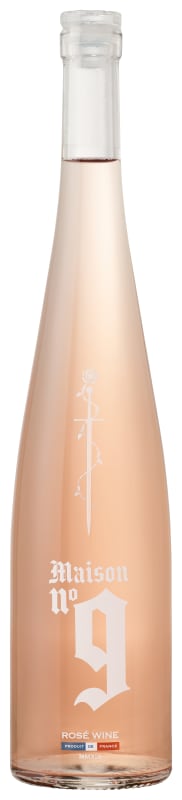


Winemaker Notes
The color of this beautiful wine is a stunningly bright and soft shade of pink. Intense and inviting aromas of freshly-picked fruit, strolling through a flower garden. Scents of ripe pineapple, fresh pear and strawberry meet hints of sweet French confections. From the first taste it is zippy, fresh and dances crisp across the tongue. The incredible acidity is met by fresh red and tropical fruits that balance with a clean finish. This dry, classic Rosé is wonderfully balanced and round with a texture that is mouthwatering and savory.
The ideal style of Rosé for any occasion - this is the perfect pairing with friends. Whether an aperitif by the water or with food, this fresh wine is quite versatile. Great matches to this rosé include a variety of fresh, meatier fish and shellfish, summer salads from the garden and the classic French roasted chicken.
Blend: 45% Grenache Noir, 25% Cinsault, 15% Syrah, 15% Merlot
Professional Ratings
-
Wilfred Wong of Wine.com
COMMENTARY: The 2019 Maison No. 9 Rosé is delicious and true-to-type. TASTING NOTES: This wine brings aromas and flavors of dried earth, savory spices, and bright red fruits to the fore. Enjoy it with a charcuterie plate of local cheeses and handmade sausages. (Tasted: June 10, 2020, San Francisco, CA)


Whether it’s playful and fun or savory and serious, most rosé today is not your grandmother’s White Zinfandel, though that category remains strong. Pink wine has recently become quite trendy, and this time around it’s commonly quite dry. Since the pigment in red wines comes from keeping fermenting juice in contact with the grape skins for an extended period, it follows that a pink wine can be made using just a brief period of skin contact—usually just a couple of days. The resulting color depends on grape variety and winemaking style, ranging from pale salmon to deep magenta.

A sunny land braced by the influence of the Mediterranean Sea, the South of France extends from the French Riviera in the East to the rugged and mountainous Spanish border in the West. This expansive and stunning region remains the source of France's finest rosé and fortified wines, while the red and white wines continue to gain respect.
Provence, located farthest east, is revered for dry, elegant and quenching rosé wines, which make up the vast majority of the region’s production. These are typically blends of Mourvèdre, Grenache, Cinsault, Tibouren and other varieties.
Moving west from the Rhône Valley, spanning the Mediterranean coast to the Pyrenees mountains of Roussillon, Languedoc’s terrain is generally flat coastal plains. Virtually every style of wine is made in Languedoc; most dry wines are blends with varietal choice strongly influenced by the neighboring Rhône Valley.
Bordered by the rugged eastern edge of the Pyrenees Mountains and intense sunshine, Roussillon is largely defined by Spanish influence. The arid, exposed, steep and uneven valleys of the Pyrénées-Orientales zone guarantee that grape yields are low and berries are small and concentrated. While historically recognized for the vins doux naturels of Rivesaltes, Banyuls and Maury, the region’s dry reds are beginning to achieve the notoriety the deserve.
A catchall term for the area surrounding the Languedoc and Roussillon, Pays d’Oc is the most important IGP (Indication Géographique Protégée) in France, producing nearly all of France’s wine under the IGP designation.