

Winemaker Notes
Professional Ratings
-
Robert Parker's Wine Advocate
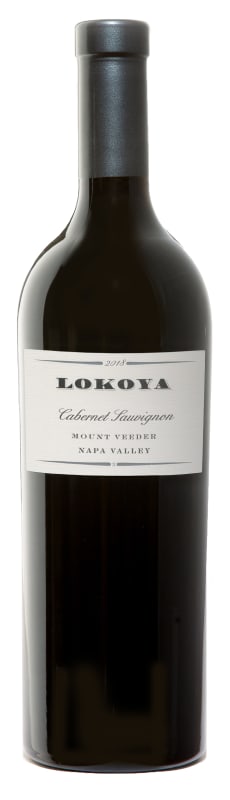
Made from 100% Cabernet Sauvignon, the 2018 Cabernet Sauvignon Mount Veeder was aged in French oak barrels for 22 months, 94% new. Deep garnet-purple colored, it soars out of the glass with vivacious scents of black cherries, black raspberries and black currant pastilles, followed by nuances of pencil shavings, tilled earth, lilacs and underbrush plus a waft of crushed rocks. The full-bodied palate is taut, packed with muscular, impactful black fruits, featuring a rock-solid backbone of firm, grainy tannins, finishing with a whole firework display of earthy/minerally sparks. Give it a good 4-5 years in bottle and drink it for the next 25+ years.


A noble variety bestowed with both power and concentration, Cabernet Sauvignon enjoys success all over the globe, its best examples showing potential to age beautifully for decades. Cabernet Sauvignon flourishes in Bordeaux's Medoc where it is often blended with Merlot and smaller amounts of some combination of Cabernet Franc, Malbecand Petit Verdot. In the Napa Valley, ‘Cab’ is responsible for some of the world’s most prestigious, age-worthy and sought-after “cult” wines. Somm Secret—DNA profiling in 1997 revealed that Cabernet Sauvignon was born from a spontaneous crossing of Cabernet Franc and Sauvignon Blanc in 17th century southwest France.

Centered at the peak for which it is named, Mount Veeder is Napa’s largest sub-AVA. But even though the entire appellation spreads over 16,000 acres, vineyards cover a mere 1,000. Scattered among Douglas firs and bristlecone pines, Mount Veeder vineyards extend south from the upper elevations of the Mayacamas Mountains—the highest point at 2,400 feet—to the border of the Carneros region. Less than 25 wineries produce wine from Mount Veeder fruit.
Winemaking began early in this appellation. In 1864, Captain Stelham Wing presented the first Mount Veeder wine to the Napa County Fair; it came from today’s Wing Canyon Vineyard. Prohibition, of course, halted winemaking and viticulture wasn’t revitalized until the founding of Mayacamas Vineyards in 1951 and Bernstein Vineyards in 1964.
The Bernstein Vineyards was actually home to the first Petit Verdot in California, planted in 1975. Today most of the Petit Verdot in Napa Valley originates from this vineyard.
Rocky volcanic clay and ancient seabed matter dominate Mount Veeder soils—perfect for Bordeaux varieties. Cabernet Sauvignon, Merlot, Malbec, Cabernet Franc and Petit Verdot enjoy spectacular success. These varieties produce wines rich in brambly blackberry and black cherry fruit with herbal and floral aromatics. Structures are moderate to assertive and wines have great staying power.
Chardonnay from Mount Veeder is lush, full and balanced mineral and fresh citrus flavors.