


Winemaker Notes
In crafting this wine, our goal is to achieve perfect balance between hedonism and elegance. We add a touch of Malbec to the blend to develop a softness in the tannins, making this a smooth and seamless wine. These supple tannins surround the palate, framing layers of juicy black currant, dark plum and hints of espresso, with well-integrated notes of baking spice from oak aging presenting on the lengthy, elegant finish.
Blend: 86% Cabernet Sauvignon, 8% Malbec, 6% Petite Sirah
Professional Ratings
-
Wine Enthusiast
Polished and perfumed, this elegant wine drinks easily now but has the balance and quiet concentration to help it improve for several years. Lush black cherries, black currants and blueberries fill the palate, buoyed on moderate tannins and spiced with toast, cinnamon and cedar notes from oak barrels.
-
James Suckling
Small amounts of malbec and petite sirah add some spices and raspberries to this 86% cabernet sauvignon. It shows the handsome black cherry intensity of cabernet and firm tannins while nicely layered. Drinkable young. Drink or hold.
-
Wine Spectator
Shows generous, succulent notes of acai, blackberry and black currant preserves. This offers ample toast, too, which stays along the edges. Nice licorice root and singed alder accents weave through the finish. Best from 2025 through 2035. 4,150 cases made.
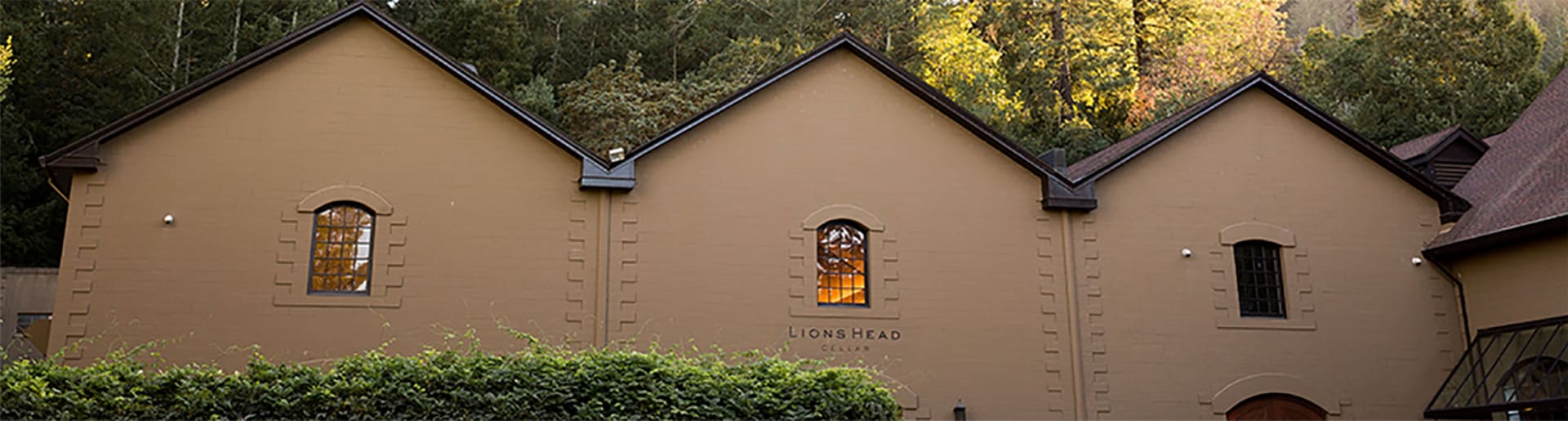





One of the most prestigious wines of the world capable of great power and grace, Napa Valley Cabernet is a leading force in the world of fine, famous, collectible red wine. Today the Napa Valley and Cabernet Sauvignon are so intrinsically linked that it is difficult to discuss one without the other. But it wasn’t until the 1970s that this marriage came to light; sudden international recognition rained upon Napa with the victory of the Stag’s Leap Wine Cellars 1973 Cabernet Sauvignon in the 1976 Judgement of Paris.
Cabernet Sauvignon undoubtedly dominates Napa Valley today, covering half of the land under vine, commanding the highest prices per ton and earning the most critical acclaim. Cabernet Sauvignon’s structure, acidity, capacity to thrive in multiple environs and ability to express nuances of vintage make it perfect for Napa Valley where incredible soil and geographical diversity are found and the climate is perfect for grape growing. Within the Napa Valley lie many smaller sub-AVAs that express specific characteristics based on situation, slope and soil—as a perfect example, Rutherford’s famous dust or Stags Leap District's tart cherry flavors.