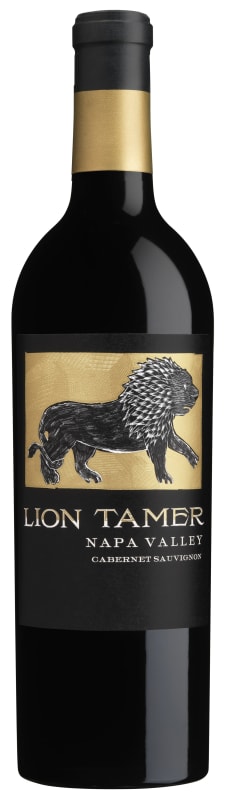


Winemaker Notes
In crafting this wine, the goal is to achieve perfect balance between hedonism and elegance. They add a touch of Malbec to the blend to develop a softness in the tannins, making this a smooth and seamless wine. These supple tannins surround the palate, framing layers of juicy black cherry, dark plum and hints of rich mocha, with well-integrated vanilla and oak notes delivering a lengthy, elegant finish.
Professional Ratings
-
Wine Spectator
Lush and fleshy, with cassis, boysenberry and blackberry preserve notes guided by hints of alder and mesquite. Stays open but defined through the finish, with a buried hint of sweet tobacco. Drink now through 2027.
-
Wine Enthusiast
With 10% Petite Sirah and 7% Malbec, this Cabernet Sauvignon is effusively bright in dense layers of fruit. A moderate grip of tannin helps to give it additional power and length around a juicy midpalate of blueberry and vanilla.
-
James Suckling
Concentrated nose of blackberry and blackcurrant jam, cocoa, cloves and vanilla. It’s full-bodied with firm, succulent tannins. Rich, generous layers of jammy fruit, sweet tobacco and spices. A little confected. Try from 2022.





One of the most prestigious wines of the world capable of great power and grace, Napa Valley Cabernet is a leading force in the world of fine, famous, collectible red wine. Today the Napa Valley and Cabernet Sauvignon are so intrinsically linked that it is difficult to discuss one without the other. But it wasn’t until the 1970s that this marriage came to light; sudden international recognition rained upon Napa with the victory of the Stag’s Leap Wine Cellars 1973 Cabernet Sauvignon in the 1976 Judgement of Paris.
Cabernet Sauvignon undoubtedly dominates Napa Valley today, covering half of the land under vine, commanding the highest prices per ton and earning the most critical acclaim. Cabernet Sauvignon’s structure, acidity, capacity to thrive in multiple environs and ability to express nuances of vintage make it perfect for Napa Valley where incredible soil and geographical diversity are found and the climate is perfect for grape growing. Within the Napa Valley lie many smaller sub-AVAs that express specific characteristics based on situation, slope and soil—as a perfect example, Rutherford’s famous dust or Stags Leap District's tart cherry flavors.