
Winemaker Notes
Professional Ratings
-
Robert Parker's Wine Advocate
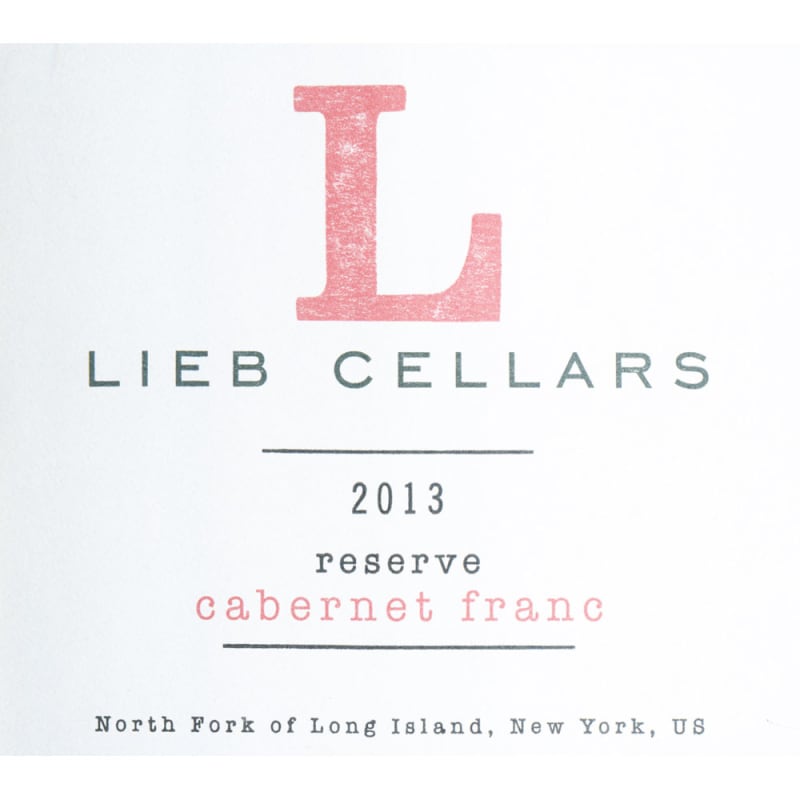
The 2013 Cabernet Franc Reserve is actually a blend with 12% Cabernet Sauvignon, 7% Malbec, 4% Merlot and 2% Petit Verdot, aged for 16 months in mostly used Hungarian oak. Showing a touch of funk up front, this is elegant in the mid-palate with some serious tannic pop on the finish. Give it a year in the cellar if you can; it will show better this time next year. It always retains its mid-palate elegance, but it becomes quite gripping on the finish as the tannins emerge. I have to admit that I didn't much like this early on, but with air and time, it expanded and showed off its fine structure and its fresh feel. Pointed and focused, it finished well. That said, it is just a bit on the funky side. Cab Franc purists won't mind. Apart from some herbaceousness, it might also have a touch of reduction that may blow off. As it evolves and integrates its parts, it should come together rather well. In many respects, this is a beauty. Hopefully, it will fulfill its promise and potential in the cellar


Cabernet Franc, a proud parent of Cabernet Sauvignon, is the subtler and more delicate of the Cabernets. Today Cabernet Franc produces outstanding single varietal wines across the wine-producing world. Somm Secret—One of California's best-kept secrets is the Happy Canyon appellation of Santa Barbara. Here Cabernet Franc shines as a single varietal wine or in blends, expressing sumptuous fruit, savory aromas and polished tannins.

Increasingly garnering widespread and well-deserved attention, New York ranks third in wine production in the United States (after California and Washington). Divided into six AVAs—the Finger Lakes, Lake Erie, Hudson River, Long Island, Champlain Valley of New York and the Niagara Escarpment, which crosses over into Michigan as well as Ontario, Canada—the state experiences varied climates, but in general summers are warm and humid while winters are very cold and can carry the risk of frost well into the growing season.
The Finger Lakes region has long been responsible for some of the country’s finest Riesling, and is gaining traction with elegant, light-bodied Pinot Noir and Cabernet Franc. Experimentation with cold-hardy European varieties is common, and recent years have seen the successful planting of grapes like Grüner Veltliner and Saperavi (from the Eastern European country of Georgia). Long Island, on the other hand, has a more maritime climate influenced by the Atlantic Ocean, and shares some viticultural characteristics with Bordeaux. Accordingly, the best wines here are made from Merlot and Cabernet Franc. The Niagara Escarpment is responsible for excellent ice wines, usually made from the hybrid variety, Vidal.