


Winemaker Notes
Professional Ratings
-
Wine & Spirits
Adrien Gaudiat makes this wine as part of a new project started in 2014. It’s a full-throttle rose delivering tart cherry flavors and lemon-pepper spice, a bold and juicy pinot noir from chalky, clay soils, both terres blanches and caillottes.

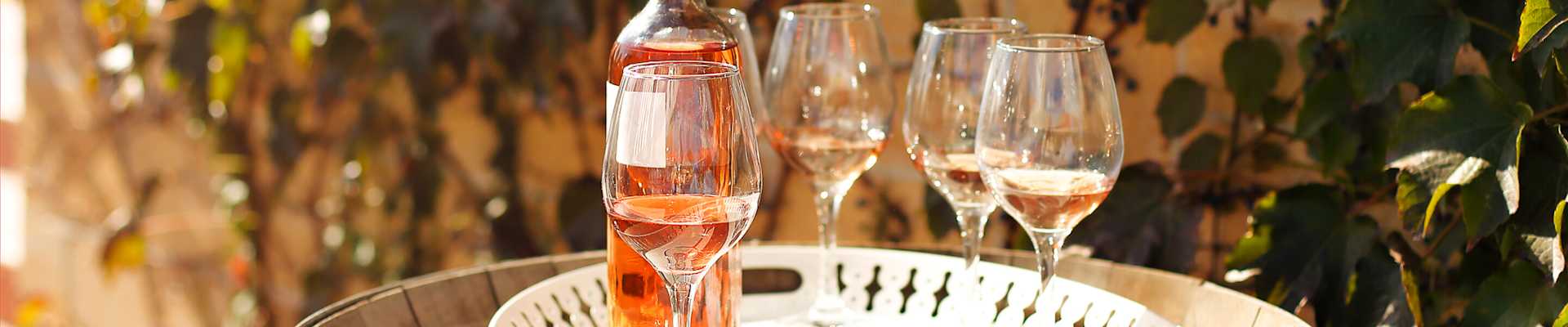
Whether it’s playful and fun or savory and serious, most rosé today is not your grandmother’s White Zinfandel, though that category remains strong. Pink wine has recently become quite trendy, and this time around it’s commonly quite dry. Since the pigment in red wines comes from keeping fermenting juice in contact with the grape skins for an extended period, it follows that a pink wine can be made using just a brief period of skin contact—usually just a couple of days. The resulting color depends on grape variety and winemaking style, ranging from pale salmon to deep magenta.

Marked by its charming hilltop village in the easternmost territory of the Loire, Sancerre is famous for its racy, vivacious, citrus-dominant Sauvignon blanc. Its enormous popularity in 1970s French bistros led to its success as the go-to restaurant white around the globe in the 1980s.
While the region claims a continental climate, noted for short, hot summers and long, cold winters, variations in topography—rolling hills and steep slopes from about 600 to 1,300 feet in elevation—with great soil variations, contribute the variations in character in Sancerre Sauvignon blancs.
In the western part of the appellation, clay and limestone soils with Kimmeridgean marne, especially in Chavignol, produce powerful wines. Moving closer to the actual town of Sancerre, soils are gravel and limestone, producing especially delicate wines. Flint (silex) soils close to the village produce particularly perfumed and age-worthy wines.
About ten percent of the wines claiming the Sancerre appellation name are fresh and light red wines made from Pinot noir and to a lesser extent, rosés. While not typically exported in large amounts, they are well-made and attract a loyal French following.