


Winemaker Notes
At Krug, every vintage is crafted to celebrate the distinctive character of a particular year. The 2011 Brut is so opulent yet crisp, the House's Tasting Committee nicknamed this Champagne "Spirited Roundness."
A nose of white fruits give way to tangy star fruit and citrus followed by nuances of licorice and basil leaf. In an interplay of delightful contrast, this Champagne opens with enveloping roundness of pastry and stewed fruit. These give way to a hint of smokiness and herbs on the palate. As if by surprise, the chiselled finish lingers with salivating notes sea salt and grapefruit zest.
This Vintage will pair deliciously with spicy dishes, grilled meats such as Greek brochettes, shellfish with character, and mouth-watering desserts.
Blend: 46% Pinot Noir, 37% Chardonnay, 17% Pinot Meunier
Professional Ratings
-
Tasting Panel
Especially given the difficulties of the vintage, this blend of 46% Pinot Noir, 37% Chardonnay, and 17% Meunier is a triumph: at once majestic and incredibly soulful. Aromas of hazelnut praline, light-roast coffee, truffle, and potpourri entrance as they enhance the golden apple and pear at the core of both nose and palate, where gorgeous, sweeping, lemony acidity hones an almost brown-buttery roundness amid hints of Brazil nut, jellied tangerine, and pink peppercorn. Chalky, yeasty, and zesty by turns, the finish is near-endless.
-
James Suckling
It shows reserved character but with a lot of energy and tension. Concentrated citrus fruit, candied lemons and mandarin peel with hints of savory herbs and spices. Notes of brioche and caraway seeds. Full-bodied, complex and nervy on the palate. It has fine, silky bubbles yet it’s structured and firm with a lot of power. It builds up on the finish with freshness and vibrancy.
-
Jeb Dunnuck
Because 2011 was a challenging vintage for Champagne, it would be very easy to over-generalize, as many readers may have had less than ideal experiences elsewhere. But Krug’s 2011 Champagne Millesime Brut is not your average Champagne. With a rounded nose, it pours a medium golden straw hue and is creamy with aromas of orange blossoms, custard, fresh pear, hazelnut, and delicate smoky incense. Medium to full-bodied and refined on the palate, it has a rounded and pristine profile, with ripe, balanced fruit floating through the palate, a pinpoint mousse, and a delicate hint of almond skin on the finish that I would expect to become more pronounced with age. Following the more tension-driven vintage of 2008, which was characterized by a more high-toned and lemon-tinged profile, this wine will be accessible sooner (probably also the case for the future release of 2012) and will undoubtedly provide an open window for drinking over the coming 15 to 20 years. Drink 2028-2048.
-
Wine Spectator
There's an exuberant appeal to this vivid, fragrant Champagne, with wafts of lime blossoms, cardamom, ground coffee and anise aromatics finely layered with flavors of crushed black cherry, glazed tangerine and grilled nut that show a streak of salinity. Yet this reveals its true class with the deft integration of rich flavors with chiseled acidity and refined, plush texture. Long and seamless, this is not just a catchy tune but a maestro conducting a symphony. Pinot Noir, Pinot Meunier and Chardonnay.
-
Robert Parker's Wine Advocate
Ahead of their respective releases, few would have anticipated the 2011 Brut to turn out better than the 2008—still less so from a house like Krug—yet few would argue against it when tasting the two side by side. Disgorged at the end of 2022 with a dosage of five grams per liter, the wine unfurls in the glass with a bouquet evocative of lemon confit, nectarine and nashi pear mingled with hints of quince and warm bread overlaid with a delicate toasty patina. On the palate, it is medium-bodied and incisive, with electric acids, a pretty pinpoint mousse and a long, intensely saline, lemon-tinged finish. In some respects akin to the 2013, albeit less structured and authoritative, it derives from a fresher, higher-acid vintage, contrasting with the more aromatically demonstrative and textural 2006, and presents itself as somewhat more balanced than the 2008.
-
Decanter
Krug has termed the 2011 vintage ‘spirited roundness’. Krug has sought to elevate what cellar master Julie Cavil terms the ‘duality’ of the vintage: the ‘generosity’ of the Chardonnay and the ‘strict, solid’ Pinot Noir. As such, the fruit is more tilted to greengage and lime than sunnier yellow or orange tones, intriguing in its subtle creaminess and detailed with notes of charcoal, green tea and toasted almond. There's a proper snap of cooked lime freshness keeping it taut, yet an up-front juiciness of white pear flesh and pale stone fruit promising immediacy. The 'roundness' moniker rings true, although it is a fairly reserved, quiet sort of roundness rather than anything powerful or decadent. It's rare to get a solo taste of the 2011 vintage presented with such ambition, and there's no surprise in finding that Krug has backed it with a rewarding wine.
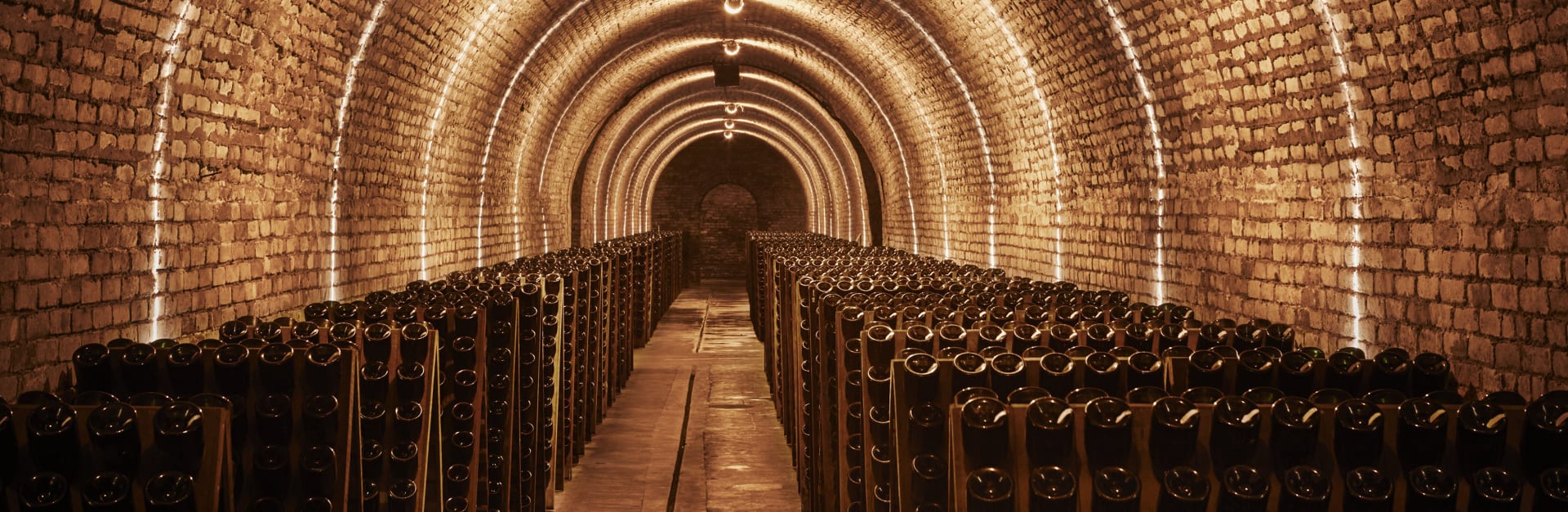




Krug has always lived up to its reputation as the first and only Champagne House to create exclusively prestige Champagnes every year since its foundation.
The House was established in Reims in 1843, by Joseph Krug, a visionary non-conformist with an uncompromising philosophy. Having understood that the true essence of Champagne is pleasure itself, his dream was to craft the very best Champagne he could offer, every single year, regardless of annual variations in climate. Paying close attention to the vineyard’s character, respecting the individuality of each plot and its wine, as well as building an extensive library of reserve wines from many different years allowed Joseph Krug to fulfil his dream.
With a very original approach to Champagne making, he decided to go beyond the notion of vintage to create the most generous expression of Champagne, every year. Thus, he founded a House in which all Champagnes are of the same level of distinction.
Six generations of the Krug family have perpetuated this dream, enriching the founder’s vision and savoir faire.
Further elaborating on the notion of individuality, for Krug’s Cellar Master Julie Cavil, each plot of grapes, through its wine, is like a single ingredient to a chef: carefully selected, and critical to the final composition. Each year, Krug honors this philosophy by inviting chefs from around the world to interpret a single ingredient, crafting unexpected recipes to pair with a glass of Krug Grande Cuvée or Krug Rosé. This year’s ingredient is the Onion.
The unspoken onion is a key component of almost every fundamental recipe from stocks, sauces and stews to baked goods and roasts. Its multifaceted expressions beautifully marry both the fullness of flavors and aromas of Krug Grande Cuvée the elegance and boldness of Krug Rose.

Representing the topmost expression of a Champagne house, a vintage Champagne is one made from the produce of a single, superior harvest year. Vintage Champagnes account for a mere 5% of total Champagne production and are produced about three times in a decade. Champagne is typically made as a blend of multiple years in order to preserve the house style; these will have non-vintage, or simply, NV on the label. The term, "vintage," as it applies to all wine, simply means a single harvest year.

Associated with luxury, celebration, and romance, the region, Champagne, is home to the world’s most prized sparkling wine. In order to bear the label, ‘Champagne’, a sparkling wine must originate from this northeastern region of France—called Champagne—and adhere to strict quality standards. Made up of the three towns Reims, Épernay, and Aÿ, it was here that the traditional method of sparkling wine production was both invented and perfected, birthing a winemaking technique as well as a flavor profile that is now emulated worldwide.
Well-drained, limestone and chalky soil defines much of the region, which lend a mineral component to its wines. Champagne’s cold, continental climate promotes ample acidity in its grapes but weather differences from year to year can create significant variation between vintages. While vintage Champagnes are produced in exceptional years, non-vintage cuvées are produced annually from a blend of several years in order to produce Champagnes that maintain a consistent house style.
With nearly negligible exceptions, . These can be blended together or bottled as individual varietal Champagnes, depending on the final style of wine desired. Chardonnay, the only white variety, contributes freshness, elegance, lively acidity and notes of citrus, orchard fruit and white flowers. Pinot Noir and its relative Pinot Meunier, provide the backbone to many blends, adding structure, body and supple red fruit flavors. Wines with a large proportion of Pinot Meunier will be ready to drink earlier, while Pinot Noir contributes to longevity. Whether it is white or rosé, most Champagne is made from a blend of red and white grapes—and uniquely, rosé is often produce by blending together red and white wine. A Champagne made exclusively from Chardonnay will be labeled as ‘blanc de blancs,’ while ones comprised of only red grapes are called ‘blanc de noirs.’