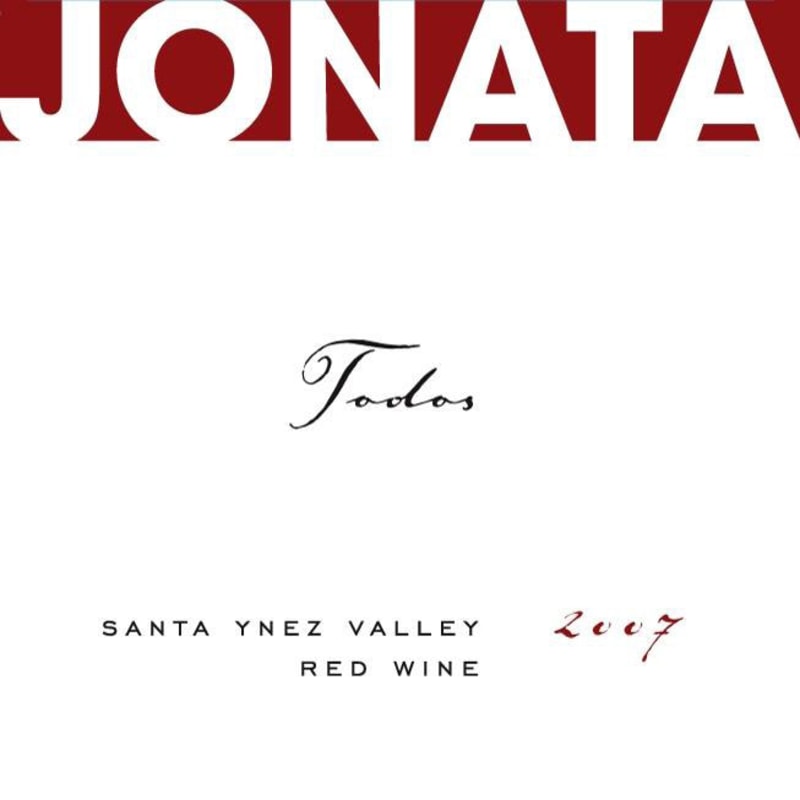

Winemaker Notes
Blend: 45% Syrah, 35% Cabernet Sauvignon, 6% Merlot, 5% Cabernet Franc, 4% Viognier, 3% Sangiovese, 2% Grenache
Professional Ratings
-
Robert Parker's Wine Advocate
Formerly known as El Corazon de Jonata, the 2007 Todos is a proprietary blend of 45% Syrah, 35% Cabernet Sauvignon, and the rest small amounts of Merlot, Cabernet Franc, Viognier, and Sangiovese. Fragrant aromatics (spring flowers, red and blue fruits) are followed by a wine with excellent ripeness, sweet fruit, velvety tannins, and loads of complexity. This, along with the Sangiovese, is the most evolved 2007, and should be drunk in its first decade of life.
Range:92-94
-
Wine Enthusiast
Made from mostly Syrah and Cabernet Sauvignon, this is a compelling wine to drink now. It exudes concentrated flavors of raspberry and cherry that taste like they have been baked in pie crust and sprinkled with baking spice. Notes of bacon, licorice and sandalwood add further complexity. The structure is superb, with citrusy acids and supple tannins. All profits from the sale of this wine go to Jonata's vineyard crew.





Jonata is the embodiment of land, soul, and people coming together for a common goal; to produce singular wines from a singular place.
Land – Jonata is a stunning 600 acre property, with 80 acres of estate vineyard on golden rolling hills in Ballard Canyon. High concentrations of Careaga sand run through the estate. A challenging landscape for cultivation and a key element to the qualities of Jonata, pushing our vines to drive deep in search of nutrients.
Soul – Timeless and diverse practices are in place to create health and community at Jonata. Polyface farming practices are implemented to create a diverse and sustainable ecosystem, utilizing a blend of sustainable practices that continue to build the health of Jonata.
People – Since 2004, a consistent team remains at the core. Winemaker Matt Dees & Vineyard manager Ruben Solorzano combine their experiences in winemaking, soil science and farming expertise to help Jonata thrive.

With hundreds of red grape varieties to choose from, winemakers have the freedom to create a virtually endless assortment of blended red wines. In many European regions, strict laws are in place determining the set of varieties that may be used, but in the New World, experimentation is permitted and encouraged resulting in a wide variety of red wine styles. Blending can be utilized to enhance balance or create complexity, lending different layers of flavors and aromas. For example, a red wine blend variety that creates a fruity and full-bodied wine would do well combined with one that is naturally high in acidity and tannins. Sometimes small amounts of a particular variety are added to boost color or aromatics. Blending can take place before or after fermentation, with the latter, more popular option giving more control to the winemaker over the final qualities of the wine.
How to Serve Red Wine
A common piece of advice is to serve red wine at “room temperature,” but this suggestion is imprecise. After all, room temperature in January is likely to be quite different than in August, even considering the possible effect of central heating and air conditioning systems. The proper temperature to aim for is 55° F to 60° F for lighter-bodied reds and 60° F to 65° F for fuller-bodied wines.
How Long Does Red Wine Last?
Once opened and re-corked, a bottle stored in a cool, dark environment (like your fridge) will stay fresh and nicely drinkable for a day or two. There are products available that can extend that period by a couple of days. As for unopened bottles, optimal storage means keeping them on their sides in a moderately humid environment at about 57° F. Red wines stored in this manner will stay good – and possibly improve – for anywhere from one year to multiple decades. Assessing how long to hold on to a bottle is a complicated science. If you are planning long-term storage of your reds, seek the advice of a wine professional.
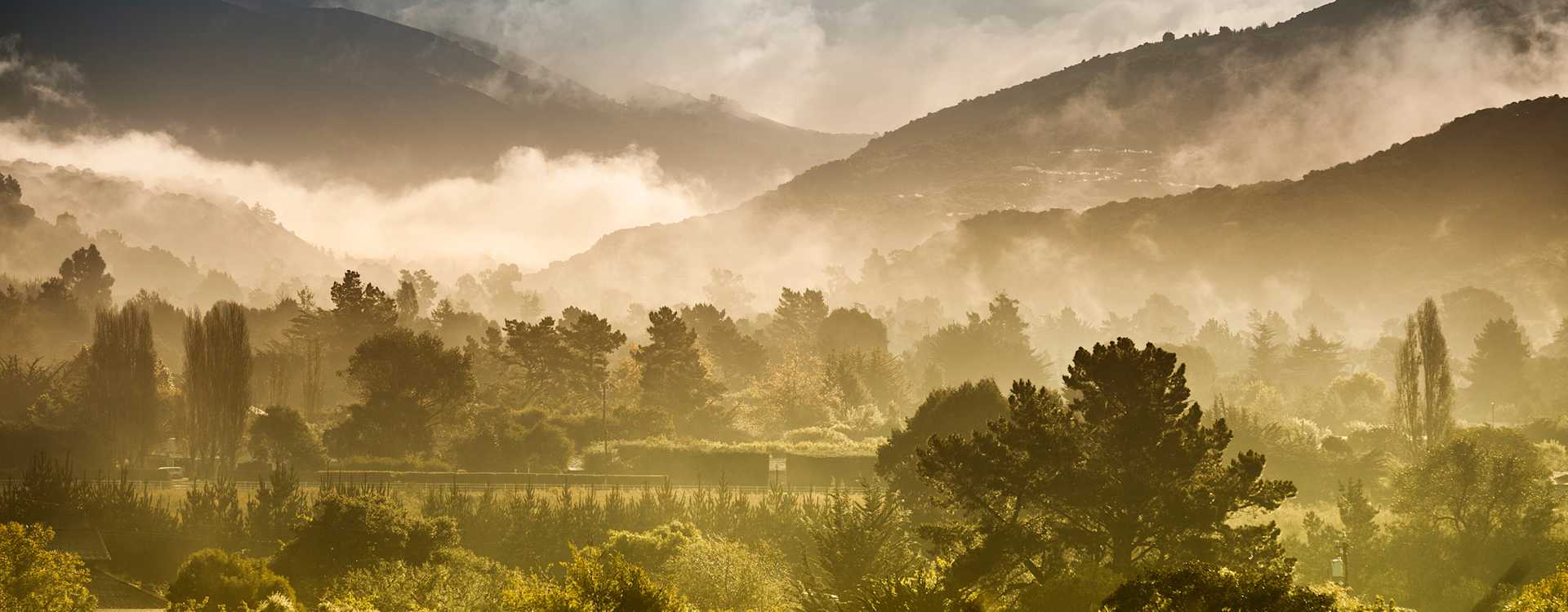
The largest and perhaps most varied of California’s wine-growing regions, the Central Coast produces a good majority of the state's wine. This vast California wine district stretches from San Francisco all the way to Santa Barbara along the coast, and reaches inland nearly all the way to the Central Valley.
Encompassing an extremely diverse array of climates, soil types and wine styles, it contains many smaller sub-AVAs, including San Francisco Bay, Monterey, the Santa Cruz Mountains, Paso Robles, Edna Valley, Santa Ynez Valley and Santa Maria Valley.
While the Central Coast California wine region could probably support almost any major grape varietiy, it is famous for a few Central Coast reds and whites. Pinot Noir, Chardonnay, Cabernet Sauvignon and Zinfandel are among the major ones. The Central Coast is home to many of the state's small, artisanal wineries crafting unique, high-quality wines, as well as larger producers also making exceptional wines.