


Winemaker Notes
Inama Foscarino Soave Classico is fresh, mineral, and deep, with fragrant field flower notes (chamomile, elderflower, iris). On the palate it is rich, complex and multilayered with an almond finish. With the passing of time, these notes transform into even more complex hints of pollen and dried flowers.
Professional Ratings
-
Wine Enthusiast
Foscarino as a modern-day muse. An inspiring wine that can lead to greater ideas. This profound wine opens with aromas of quince, roasted Fuji, preserved kumquats and an entire meadow full of flowers that encompasses all senses. Rich on the palate, yet stately the wine threads the needle as flavors of orange flower water, white peach, mint and honey flow into a sea of crushed shells and green almonds giving a salty, savory finish that languishes. Drink Now - 2040.
-
James Suckling
This is very intense with electric acidity. Dried apples, lemons and minerals with a salty undertone. Full-bodied with phenolic tension and an extremely long finish. Hints of oyster. Needs two or three years to show its greatness, but fantastic already.
-
Vinous
The 2022 Soave Classico Foscarino is decidedly savory in the glass, mixing wild herbs, ginger and wet slate with crushed nectarines. Luxuriously soft and supple, it reveals depths of ripe apple and melon complicated by a tinge of flint. It tapers off with a pleasantly tart sensation, leaving hints of sour citrus that pucker the cheeks.
-
Robert Parker's Wine Advocate
Now celebrating its 30th birthday, the Inama 2022 Soave Classico Foscarino offers aromas of Williams pear and peach nectar. This versatile white also has a spicy side with dustings of cumin and mustard seed. This release of 40,000 bottles represents a selection of fruit from across 20 hectares of vines on volcanic soils in the UGA Foscarino. The wine is fermented and aged in a combination of stainless steel, botte grande and neutral French barrique.


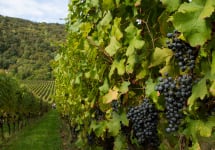
Now in its third generation of leadership, the Inama family has been producing wine for over forty years in the Veneto. The family has a well-defined goal to produce different wines whose only aim is to represent their vision of the land, despite the styles and trends of the moment. In the 1950s, prior to founding the Inama estate, Giuseppe Inama began using his savings to purchase small plots of vineyards in the center of the Soave Classico region. At the time few understood the area's potential, but Giuseppe believed that he could make a wine capable of restoring Soave's reputation by working with only top-quality vineyards of old-vine Garganega (Soave’s original grape).
At Inama, white grapes are picked fully ripe, and after a short maceration and gentle pressing the must is left to settle before a temperature-controlled fermentation and spontaneous malolactic fermentation. In order to preserve both the aromatic intensity and natural balance of the grapes, the wines are bottled with minimum fining and filtration.
In addition to working with Garganega, Chardonnay and Sauvignon Blanc, Inama also grows traditional Bordeaux varietals in the historic, hidden zone of Colli Berici – Italy’s oldest DOC for Cabernet and Merlot grapes. Their Carmenère vineyards here date back to the 1800s. This historic, though little known zone south of Vicenza has a temperate climate and is marked by unique ancient geological seismic events calle “bradyseism”—volcanic ridges generating a soil extremely rich in trace elements and minerals. Inama feels this terroir is the most underrated and under-realized in Italy and his goal is to produce great wines from these hillsides.
Inama believes in everyday living and minimalism, respecting the winemaking practices that have laid the foundations of modern wine.
Producing wine for more than half century has led them to develop three fundamental values that inspire their projects: a great terroir dominates the varietal aspects of the grape. A wine’s caliber depends upon the quality of the ecosystem, with the soil paramount. Inama is always working to refine technique, developing internal research and collaborating with some of the most renowned international experts.

One of Italy’s classic white varieties, Garganega flourishes in the rolling vineyards surrounding the medieval village of Soave and is the dominant variety in the wine from the region, aptly known as, Soave. By law it makes up 70-100% of the blend with the remainder traditionally finished off by Trebbiano di Soave for its crispness. Somm Secret—The best Soave wines, measurably elegant and vibrant, come from the Soave Classico zone, in the center of Soave, where the hills are made of decomposed volcanic and granitic soils.
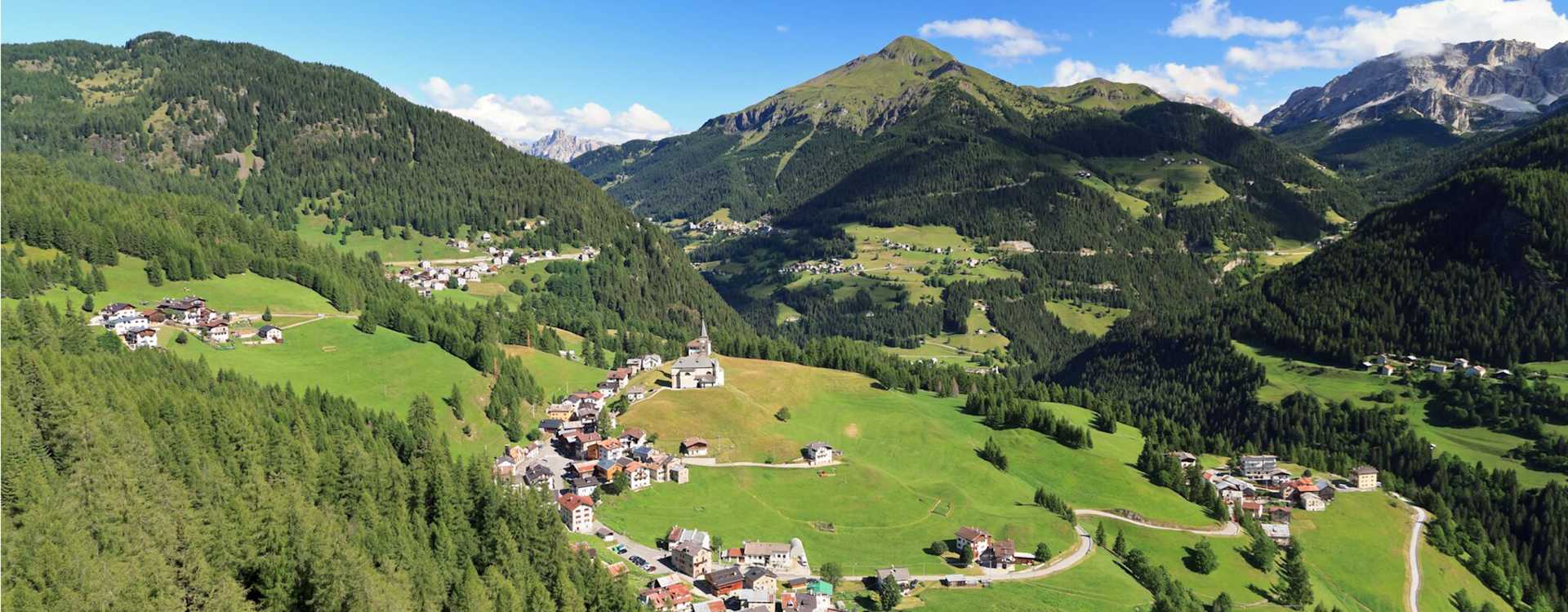
Among Italy’s classic whites capable of great potential, Soave is named after the medieval village and surrounding hillsides from whence it comes. The original, historical Soave zone, delimited back in 1927, covers the eastern, volcanic hillsides of today's general Soave zone and is called Soave Classico.
Garganega, the indigenous grape responsible for great Soave, produces medium bodied white wines with fine acidity. Typical in the best Soaves are lively flowery and fresh herbal aromas and flavors such as orange zest, peach, melon and marjoram. The best can take some age and in so doing, develop notes of chamomile, marmalade and honey.
By the 1960s and 70s, Soave was enjoying such a glorious global reputation, that its demand forced growers to push beyond the zone's original borders. Expansion led west out of the hills and onto the alluvial plain of the Adige River. This, coupled with an increase in yields and allowance of additional varieties such as Trebbiano, Chardonnay and Pinot blanc, met demand but created a softer, fruit-forward, everyday Soave. Today the broader region can be the source of charming and value driven whites. But those labeled as Soave Classico or in rare cases, as Soave Colli Scaligeri (nearby hillside vineyards abutting the Classico zone), will be the best quality and age-worthy Soaves. These are often 100% Garganega.