


Winemaker Notes
Aromatically the wine has notes of honeysuckle and other sweet wildflowers. On the palate, the mouthfeel is a little larger, with almond flavors as well as a finish of balancing minerality that shows exciting aging potential.
Professional Ratings
-
Tasting Panel
Fresh orchard fruit, salted almond, wet river stone, and white flowers. Saline-scented citrus, candied pear, and yellow apple appear on the rich, medium-bodied palate with tart makrut-lime acidity.
-
Wine Enthusiast
Grown on the top of a dormant volcano, this Soave shows why Garganga is one of the great white grapes of Italy. The wine opens with apple and citrus blossoms with hints of acacia honey followed by fleshy white peaches, Fuji apples and well-defined minerality. The palate is creamy yet taut with fine acidity and tons of minerality accented by ripe stone fruits and citrus zest.
-
James Suckling
Another brilliant expression, reflecting a culture of kaleidoscopic blending to attain a greater whole: tank and oak (no new) ferments, partly induced and spontaneous, all at once. Rapier-like precision, depth and weight, without any excess or obvious winemaking artefact perceivable. Mid-weighted, yet intense, reeling off notes of smoked almond, stone fruit allusions, pickled mango and kumquat. The finish is impressively pliant and majestically long.
-
Robert Parker's Wine Advocate
Showing beautiful aromatic intensity, the 2021 Soave Classico Foscarino pours from the bottle with soft orchard fruit, tropical tones and a distinctive mineral note of crushed oyster shell or volcanic ash. This wine has a pleasant creamy, mid-weight approach with more pretty fruit flavors on the close. This vintage of Foscarino hits the spot.
-
Wine Spectator
A supple white, plush in texture, with a subtle, salty underpinning to the flavors of baked melon, blanched almond, Meyer lemon peel and dried thyme. Lightly tangy on the finish. Drink now. 4,300 cases made, 800 cases imported.


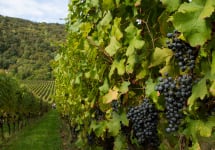
Now in its third generation of leadership, the Inama family has been producing wine for over forty years in the Veneto. The family has a well-defined goal to produce different wines whose only aim is to represent their vision of the land, despite the styles and trends of the moment. In the 1950s, prior to founding the Inama estate, Giuseppe Inama began using his savings to purchase small plots of vineyards in the center of the Soave Classico region. At the time few understood the area's potential, but Giuseppe believed that he could make a wine capable of restoring Soave's reputation by working with only top-quality vineyards of old-vine Garganega (Soave’s original grape).
At Inama, white grapes are picked fully ripe, and after a short maceration and gentle pressing the must is left to settle before a temperature-controlled fermentation and spontaneous malolactic fermentation. In order to preserve both the aromatic intensity and natural balance of the grapes, the wines are bottled with minimum fining and filtration.
In addition to working with Garganega, Chardonnay and Sauvignon Blanc, Inama also grows traditional Bordeaux varietals in the historic, hidden zone of Colli Berici – Italy’s oldest DOC for Cabernet and Merlot grapes. Their Carmenère vineyards here date back to the 1800s. This historic, though little known zone south of Vicenza has a temperate climate and is marked by unique ancient geological seismic events calle “bradyseism”—volcanic ridges generating a soil extremely rich in trace elements and minerals. Inama feels this terroir is the most underrated and under-realized in Italy and his goal is to produce great wines from these hillsides.
Inama believes in everyday living and minimalism, respecting the winemaking practices that have laid the foundations of modern wine.
Producing wine for more than half century has led them to develop three fundamental values that inspire their projects: a great terroir dominates the varietal aspects of the grape. A wine’s caliber depends upon the quality of the ecosystem, with the soil paramount. Inama is always working to refine technique, developing internal research and collaborating with some of the most renowned international experts.

One of Italy’s classic white varieties, Garganega flourishes in the rolling vineyards surrounding the medieval village of Soave and is the dominant variety in the wine from the region, aptly known as, Soave. By law it makes up 70-100% of the blend with the remainder traditionally finished off by Trebbiano di Soave for its crispness. Somm Secret—The best Soave wines, measurably elegant and vibrant, come from the Soave Classico zone, in the center of Soave, where the hills are made of decomposed volcanic and granitic soils.
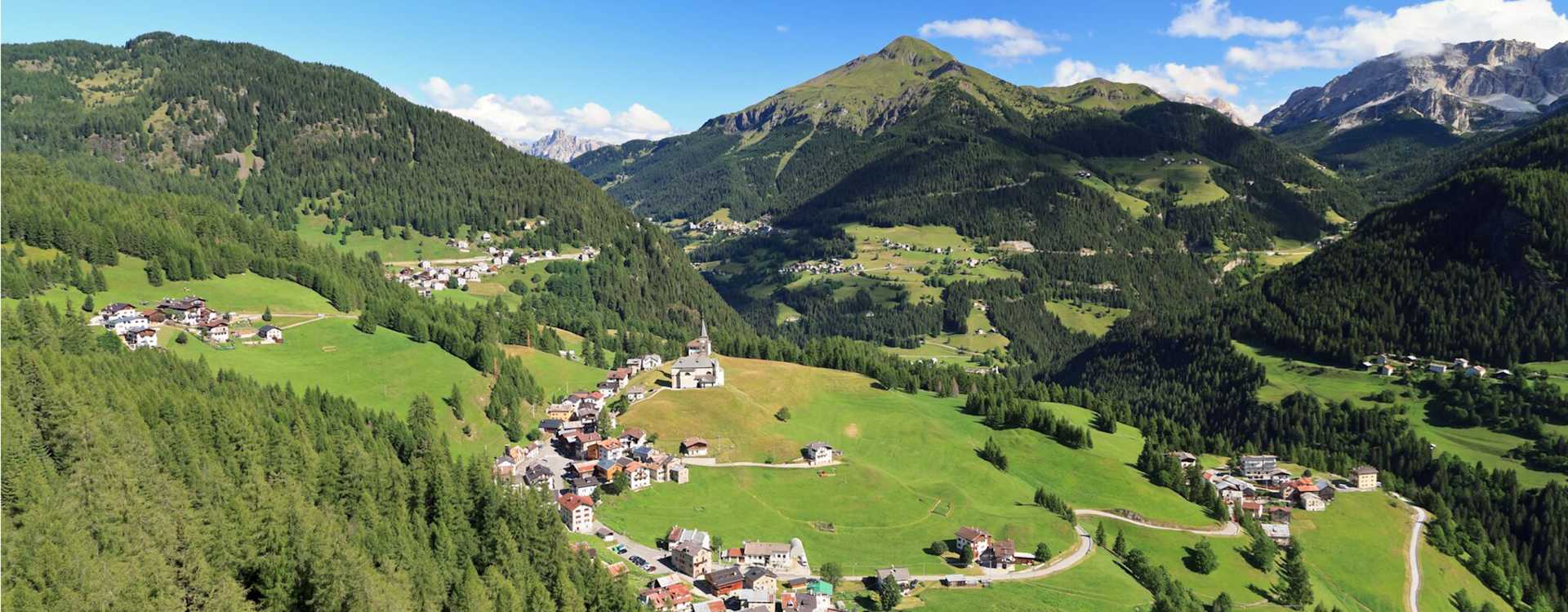
Among Italy’s classic whites capable of great potential, Soave is named after the medieval village and surrounding hillsides from whence it comes. The original, historical Soave zone, delimited back in 1927, covers the eastern, volcanic hillsides of today's general Soave zone and is called Soave Classico.
Garganega, the indigenous grape responsible for great Soave, produces medium bodied white wines with fine acidity. Typical in the best Soaves are lively flowery and fresh herbal aromas and flavors such as orange zest, peach, melon and marjoram. The best can take some age and in so doing, develop notes of chamomile, marmalade and honey.
By the 1960s and 70s, Soave was enjoying such a glorious global reputation, that its demand forced growers to push beyond the zone's original borders. Expansion led west out of the hills and onto the alluvial plain of the Adige River. This, coupled with an increase in yields and allowance of additional varieties such as Trebbiano, Chardonnay and Pinot blanc, met demand but created a softer, fruit-forward, everyday Soave. Today the broader region can be the source of charming and value driven whites. But those labeled as Soave Classico or in rare cases, as Soave Colli Scaligeri (nearby hillside vineyards abutting the Classico zone), will be the best quality and age-worthy Soaves. These are often 100% Garganega.