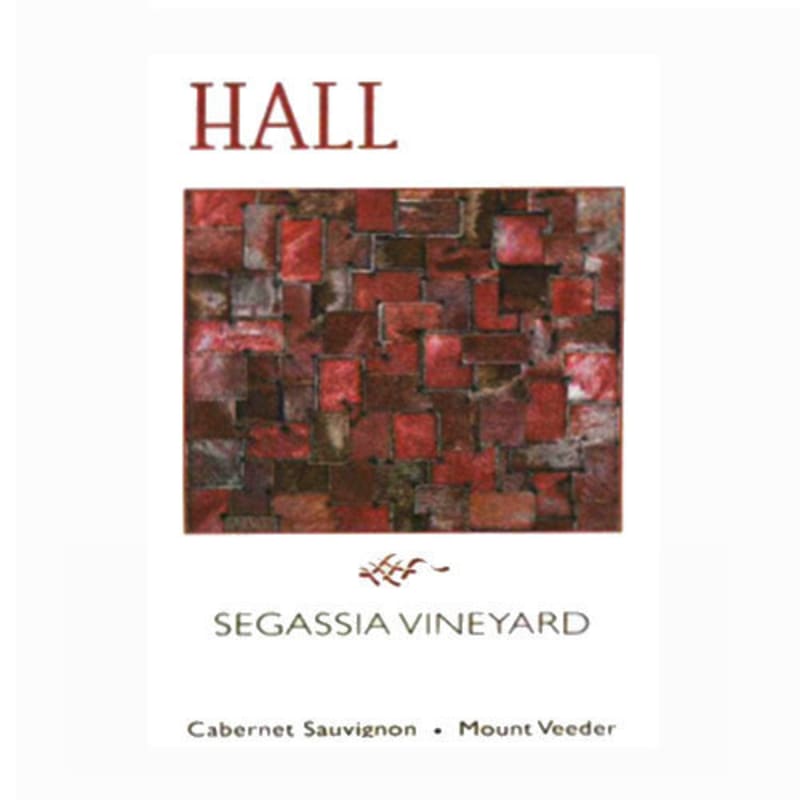

Winemaker Notes
Professional Ratings
-
Wine Spectator
An amazingly rich and powerful young Cabernet, with a sense of elegance and finesse. A full-blown wine, with tiers of currant, raspberry, espresso, mocha, mineral and black licorice. For all its power and thrust, this offers an air of refinement and detail. Drink now through 2023.
-
Robert Parker's Wine Advocate
A new offering, the 2007 Cabernet Sauvignon Segassia from Mt. Veeder is my favorite of this quartet. There is something about the fruit from this area that tastes like blood of the vine. Blueberry pie notes intermixed with jammy black raspberries, cassis, graphite, and acacia flowers jump from the glass of this impressively constituted, rich, full-bodied 2007. This sensational wine should age effortlessly for 20-25 years.
-
Wine Enthusiast
Hall, which has gotten huge scores over the years, now has this Mount Veeder bottling, but the warning is that they’re playing with fire. It's so massive in fruit, it risks being ridiculed as a bombastic pop wine. There's no denying the power of the blackberries, currants, chocolate and oak, but there's a case to be made for elegance and restraint. Easily earns its high score, but the hope is that the winemaker will be mindful with future releases.





Hall Wines is located in Napa Valley and employs organic small-vine viticulture, precision winemaking, wild-yeast fermentation and micro-block blending to fully extract the purity and quintessence of Napa Valley Cabernet Sauvignon. Their estate vineyards encompass more than 300 acres of classic Bordeaux varietals: Cabernet Sauvignon, Merlot and Sauvignon Blanc. The Halls have a strong respect for the environment and a commitment to cutting edge technology to yield the highest quality grapes. Through meticulous attention to detail in the vineyards, Hall wines are able to express the unique and diverse character of Napa Valley's soils and climate.

A noble variety bestowed with both power and concentration, Cabernet Sauvignon enjoys success all over the globe, its best examples showing potential to age beautifully for decades. Cabernet Sauvignon flourishes in Bordeaux's Medoc where it is often blended with Merlot and smaller amounts of some combination of Cabernet Franc, Malbecand Petit Verdot. In the Napa Valley, ‘Cab’ is responsible for some of the world’s most prestigious, age-worthy and sought-after “cult” wines. Somm Secret—DNA profiling in 1997 revealed that Cabernet Sauvignon was born from a spontaneous crossing of Cabernet Franc and Sauvignon Blanc in 17th century southwest France.

Centered at the peak for which it is named, Mount Veeder is Napa’s largest sub-AVA. But even though the entire appellation spreads over 16,000 acres, vineyards cover a mere 1,000. Scattered among Douglas firs and bristlecone pines, Mount Veeder vineyards extend south from the upper elevations of the Mayacamas Mountains—the highest point at 2,400 feet—to the border of the Carneros region. Less than 25 wineries produce wine from Mount Veeder fruit.
Winemaking began early in this appellation. In 1864, Captain Stelham Wing presented the first Mount Veeder wine to the Napa County Fair; it came from today’s Wing Canyon Vineyard. Prohibition, of course, halted winemaking and viticulture wasn’t revitalized until the founding of Mayacamas Vineyards in 1951 and Bernstein Vineyards in 1964.
The Bernstein Vineyards was actually home to the first Petit Verdot in California, planted in 1975. Today most of the Petit Verdot in Napa Valley originates from this vineyard.
Rocky volcanic clay and ancient seabed matter dominate Mount Veeder soils—perfect for Bordeaux varieties. Cabernet Sauvignon, Merlot, Malbec, Cabernet Franc and Petit Verdot enjoy spectacular success. These varieties produce wines rich in brambly blackberry and black cherry fruit with herbal and floral aromatics. Structures are moderate to assertive and wines have great staying power.
Chardonnay from Mount Veeder is lush, full and balanced mineral and fresh citrus flavors.