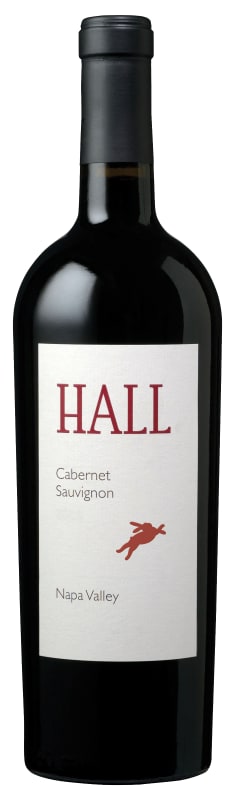


Winemaker Notes
This wine is dark garnet in color with layers of blackberry, black cherry, sweet spice, black pepper, and oak. On the palate, there is bold, dark fruit at the forefront of this fullbodied Cabernet Sauvignon that gives way to flavors of cocoa, nutmeg and graphite. The tannins are chewy and powerful, balanced by refreshing acidity on the long finish.
Professional Ratings
-
Jeb Dunnuck
A smoking value, the 2016 Cabernet Sauvignon Napa Valley offers classic notes of blackcurrant and blackberry fruits intermixed with more earthy, tapenade, and olive-like aromas and flavors. It too is full-bodied, has remarkable purity, a seamless texture, and a beautiful finish. It tastes like it cost 2-3 times the price.
-
Robert Parker's Wine Advocate
Deep garnet-purple colored, the 2016 Cabernet Sauvignon delivers open-knit notions of Black Forest cake, crème de cassis and black raspberries with hints of tar, smoked meats and menthol plus a hint of tree bark. Full-bodied, the palate has a firm frame of grainy tannins and soft acidity supporting the savory black fruits, finishing earthy.





Hall Wines is located in Napa Valley and employs organic small-vine viticulture, precision winemaking, wild-yeast fermentation and micro-block blending to fully extract the purity and quintessence of Napa Valley Cabernet Sauvignon. Their estate vineyards encompass more than 300 acres of classic Bordeaux varietals: Cabernet Sauvignon, Merlot and Sauvignon Blanc. The Halls have a strong respect for the environment and a commitment to cutting edge technology to yield the highest quality grapes. Through meticulous attention to detail in the vineyards, Hall wines are able to express the unique and diverse character of Napa Valley's soils and climate.

One of the most prestigious wines of the world capable of great power and grace, Napa Valley Cabernet is a leading force in the world of fine, famous, collectible red wine. Today the Napa Valley and Cabernet Sauvignon are so intrinsically linked that it is difficult to discuss one without the other. But it wasn’t until the 1970s that this marriage came to light; sudden international recognition rained upon Napa with the victory of the Stag’s Leap Wine Cellars 1973 Cabernet Sauvignon in the 1976 Judgement of Paris.
Cabernet Sauvignon undoubtedly dominates Napa Valley today, covering half of the land under vine, commanding the highest prices per ton and earning the most critical acclaim. Cabernet Sauvignon’s structure, acidity, capacity to thrive in multiple environs and ability to express nuances of vintage make it perfect for Napa Valley where incredible soil and geographical diversity are found and the climate is perfect for grape growing. Within the Napa Valley lie many smaller sub-AVAs that express specific characteristics based on situation, slope and soil—as a perfect example, Rutherford’s famous dust or Stags Leap District's tart cherry flavors.