


Winemaker Notes
The hallmark complexity, depth, and quality achieved by Napa Valley Cabernet Sauvignons are on full display from start to finish in Grgich Hills Estate's eponymous 2021 Napa Valley Cabernet Sauvignon. A seductive aroma of black fruits–blackberries, black currant, black cherry–is accented by exotic wafts of cardamom and nutmeg. Still greater depth is achieved on the palate, with red berries, blackberries, and hints of blood orange and dried cranberries, bolstered by bright acidity. Vibrant tannins provide additional structure and complexity as you make your descent into a long and flavorful finish.
Blend: 81% Cabernet Sauvignon, 11% Merlot, 5% Petit Verdot, 3% Cabernet Franc
Professional Ratings
-
Decanter
Legendary winemaker Mike Grgich passed away at 100 in December of 2023. Acting as winemaker emeritus practically until his passing, he had a hand in shaping this blend. Today, his nephew, Croatian-born Ivo Jeramaz, manages day-to-day winemaking operations. The 2021 Estate Cabernet Sauvignon comes from Rutherford and Calistoga. 82% Cabernet Sauvignon, 10% Merlot, 5% Petit Verdot, and 3% Cabernet Franc was aged 20 months in 100% French oak. It's a fashionable, complex, and complete wine showing a deep ruby-purple in the glass and attractive aromas of spiced blackberries, kirsch, perfumed violets, cassis, and tobacco spices. Medium-bodied with compact, juicy dark fruits and firm, elongated, elegant tannins and iron-like minerality on the length finish.
-
James Suckling
A medium-bodied cabernet sauvignon with aromas of dark cherries, blackcurrants, violets and baking spices. Firm tannins with a spicy, vivid mid-palate and a supple and fruity finish. Drink or hold.
-
Wine Enthusiast
Deep violet in the glass with dense aromas and intense flavor, this wine joins sweet spices with cassis, ripe plum, wet tobacco, and dark chocolate touched by ginger and graphite. Tannins are plush and palate coating, bringing a structural focus and plenty of lengt.
-
Robert Parker's Wine Advocate
The Grgich Hills 2021 Cabernet Sauvignon Estate Grown offers up hallmark notes of cassis, faint herbal streaks and dusty earth. It's only medium-bodied and classically proportioned—a bit of a throwback in style—with silky, refined tannins and a lingering finish.
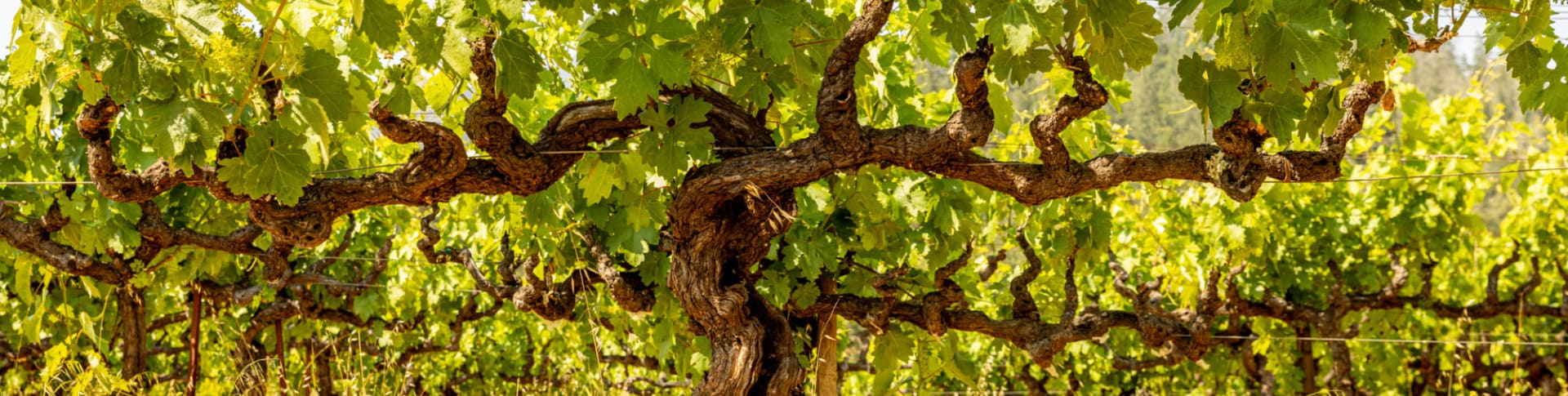




As a family-owned and operated winery, Grgich Hills Estate is committed to crafting wines of the highest standard and consistency. Their dedication to these principles has led to the achievement of Regenerative Organic Certification for all five of their estate vineyards in December 2022. This system prioritizes the long-term health and longevity of their vines, revitalizes the land, and allows for the creation of wines that are unmatched in their quality and expression of terroir.
It is with a spirit of curiosity, discovery, and excellence that Miljenko “Mike” Grgich and partner Austin Hills founded Grgich Hills Estate in 1977, after Mike’s Chateau Montelena Chardonnay won the famed 1976 Paris Tasting. These values propel Grgich Hills Estate forward as they continue to make exquisite wines, while pioneering a sustainable future for Napa Valley.

One of the most prestigious wines of the world capable of great power and grace, Napa Valley Cabernet is a leading force in the world of fine, famous, collectible red wine. Today the Napa Valley and Cabernet Sauvignon are so intrinsically linked that it is difficult to discuss one without the other. But it wasn’t until the 1970s that this marriage came to light; sudden international recognition rained upon Napa with the victory of the Stag’s Leap Wine Cellars 1973 Cabernet Sauvignon in the 1976 Judgement of Paris.
Cabernet Sauvignon undoubtedly dominates Napa Valley today, covering half of the land under vine, commanding the highest prices per ton and earning the most critical acclaim. Cabernet Sauvignon’s structure, acidity, capacity to thrive in multiple environs and ability to express nuances of vintage make it perfect for Napa Valley where incredible soil and geographical diversity are found and the climate is perfect for grape growing. Within the Napa Valley lie many smaller sub-AVAs that express specific characteristics based on situation, slope and soil—as a perfect example, Rutherford’s famous dust or Stags Leap District's tart cherry flavors.