


Winemaker Notes
Professional Ratings
-
Tasting Panel
Licorice sets the tone and makes for a dry entry, headed up by roasted coffee beans and a meaty intensity. A power-packed real estate mogul: Estate vineyards in Yountville, Rutherford and Calistoga deliver the goods in this full-bodied expression of Napa Valley.
-
Robert Parker's Wine Advocate
Containing 5% Petit Verdot and 1% Cabernet Franc, the deep garnet colored 2009 Cabernet Sauvignon features notions of menthol, dried mint, cherry preserves and baked plums to begin, giving way to a core of warm cassis and fried sage plus a waft of damp soil. Medium to full-bodied, the black fruit preserves flavors are lifted by herbal sparks in the mouth, and it has a chewy frame, finishing lively.
-
Wine Enthusiast
There's lots of richness to this Cabernet, a testimony to the sunny ripeness of the vintage. It bursts with flavors of cassis and blackberry and blueberry jam, complemented by the toasty, smoky butteriness of oak barrels. It's a lovely wine to drink now with upscale fare.
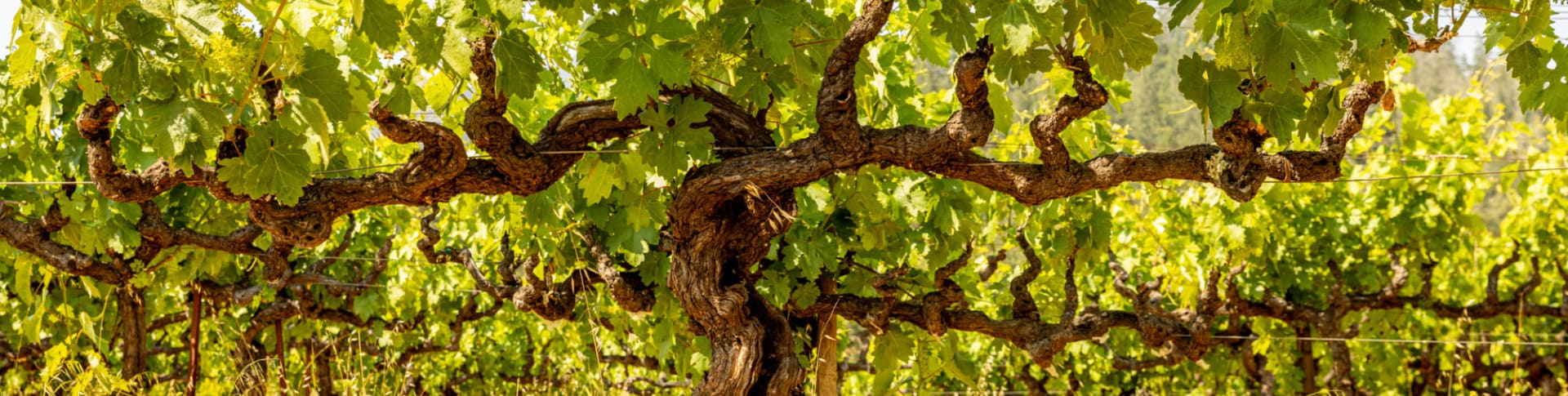




As a family-owned and operated winery, Grgich Hills Estate is committed to crafting wines of the highest standard and consistency. Their dedication to these principles has led to the achievement of Regenerative Organic Certification for all five of their estate vineyards in December 2022. This system prioritizes the long-term health and longevity of their vines, revitalizes the land, and allows for the creation of wines that are unmatched in their quality and expression of terroir.
It is with a spirit of curiosity, discovery, and excellence that Miljenko “Mike” Grgich and partner Austin Hills founded Grgich Hills Estate in 1977, after Mike’s Chateau Montelena Chardonnay won the famed 1976 Paris Tasting. These values propel Grgich Hills Estate forward as they continue to make exquisite wines, while pioneering a sustainable future for Napa Valley.

One of the most prestigious wines of the world capable of great power and grace, Napa Valley Cabernet is a leading force in the world of fine, famous, collectible red wine. Today the Napa Valley and Cabernet Sauvignon are so intrinsically linked that it is difficult to discuss one without the other. But it wasn’t until the 1970s that this marriage came to light; sudden international recognition rained upon Napa with the victory of the Stag’s Leap Wine Cellars 1973 Cabernet Sauvignon in the 1976 Judgement of Paris.
Cabernet Sauvignon undoubtedly dominates Napa Valley today, covering half of the land under vine, commanding the highest prices per ton and earning the most critical acclaim. Cabernet Sauvignon’s structure, acidity, capacity to thrive in multiple environs and ability to express nuances of vintage make it perfect for Napa Valley where incredible soil and geographical diversity are found and the climate is perfect for grape growing. Within the Napa Valley lie many smaller sub-AVAs that express specific characteristics based on situation, slope and soil—as a perfect example, Rutherford’s famous dust or Stags Leap District's tart cherry flavors.