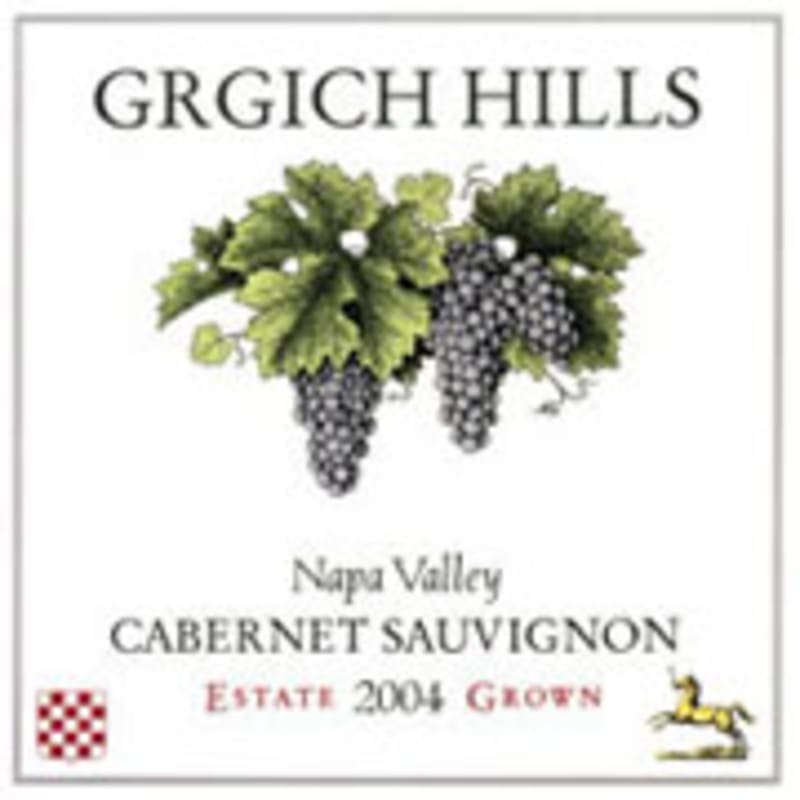

Winemaker Notes
An early spring and a warm summer created perfect growing conditions for one of theearliest harvests we've had in 10 years. This produced a small crop of fully-ripe grapes with wonderful concentration and deep flavors.
The Cabernet from our Yountville vineyard is the Inglenook clone on St. George rootstock. These dry farmed vines have pushed their roots deep into the rocky soil, which creates intensely flavored grapes. Our organically grown Rutherford and Calistoga vineyards also contribute to the blend to create a true Napa Valley Cabernet Sauvignon.
"Garnet hue with a feathered rim. Rich aromas of German chocolate cake, blueberry and oak. Layers of flavors emitting dark chocolate, black cherry, allspice and licorice. Youthful finish with hints of peppery new oak and clove." 94 Points
Wine News
August/September 2008
Professional Ratings
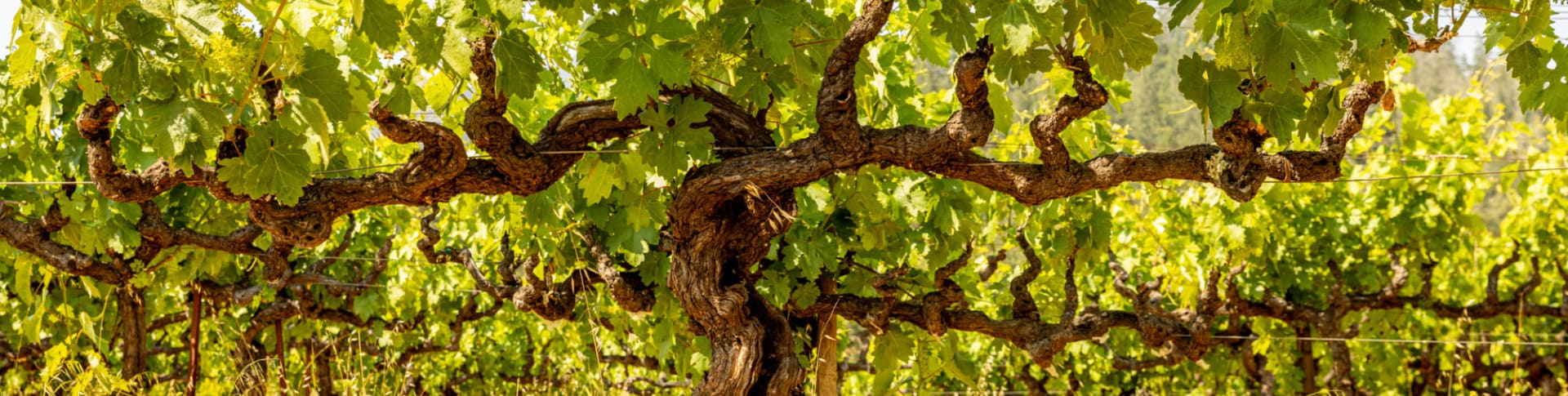




As a family-owned and operated winery, Grgich Hills Estate is committed to crafting wines of the highest standard and consistency. Their dedication to these principles has led to the achievement of Regenerative Organic Certification for all five of their estate vineyards in December 2022. This system prioritizes the long-term health and longevity of their vines, revitalizes the land, and allows for the creation of wines that are unmatched in their quality and expression of terroir.
It is with a spirit of curiosity, discovery, and excellence that Miljenko “Mike” Grgich and partner Austin Hills founded Grgich Hills Estate in 1977, after Mike’s Chateau Montelena Chardonnay won the famed 1976 Paris Tasting. These values propel Grgich Hills Estate forward as they continue to make exquisite wines, while pioneering a sustainable future for Napa Valley.

One of the most prestigious wines of the world capable of great power and grace, Napa Valley Cabernet is a leading force in the world of fine, famous, collectible red wine. Today the Napa Valley and Cabernet Sauvignon are so intrinsically linked that it is difficult to discuss one without the other. But it wasn’t until the 1970s that this marriage came to light; sudden international recognition rained upon Napa with the victory of the Stag’s Leap Wine Cellars 1973 Cabernet Sauvignon in the 1976 Judgement of Paris.
Cabernet Sauvignon undoubtedly dominates Napa Valley today, covering half of the land under vine, commanding the highest prices per ton and earning the most critical acclaim. Cabernet Sauvignon’s structure, acidity, capacity to thrive in multiple environs and ability to express nuances of vintage make it perfect for Napa Valley where incredible soil and geographical diversity are found and the climate is perfect for grape growing. Within the Napa Valley lie many smaller sub-AVAs that express specific characteristics based on situation, slope and soil—as a perfect example, Rutherford’s famous dust or Stags Leap District's tart cherry flavors.