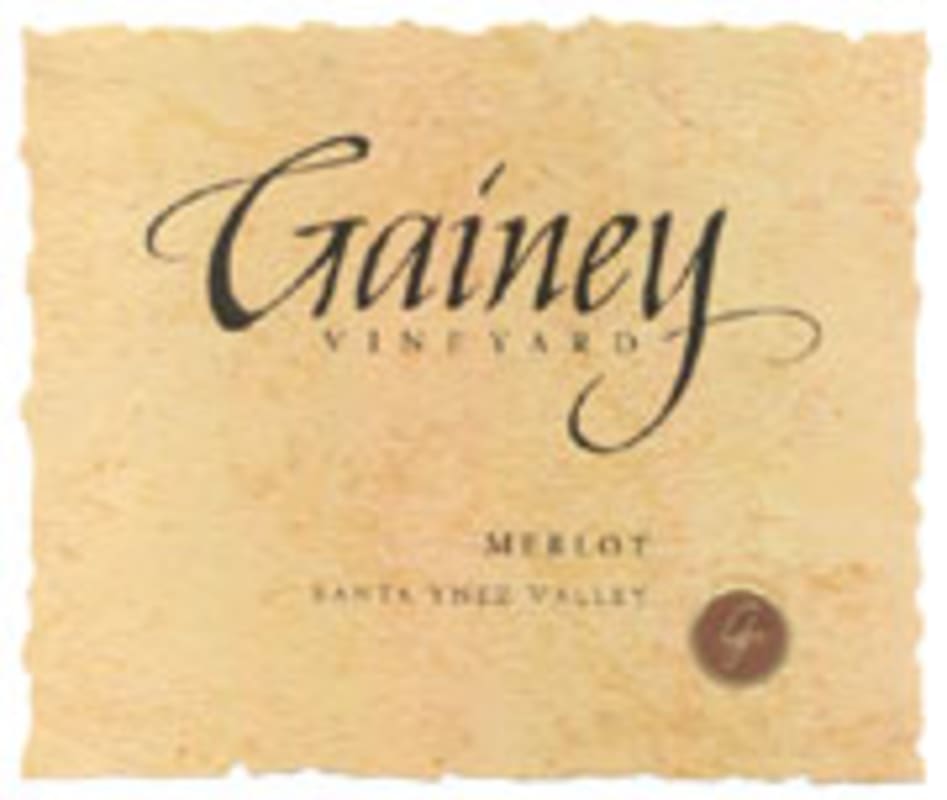

Winemaker Notes
"The first scents out of the glass are herbaceous in nature. Although this distinctive varietal character is normal for Merlot, it is often missing from wines that are made in the popular over-ripe or tutti-frutti style. With swirling, this brushy veneer dissipates and reveals bing cherry, cassis and currant jelly aromas underneath. Complementing the fruit is a hint of smoke, and the new oak is well-integrated. In the mouth, the wine bursts with juicy fruit flavors enlivened by refreshing acidity. Strawberry jam notes also make an appearance. This is not a heavy, but a medium-bodied wine. The wine is balanced with just the right amount of tannin to add structure to an easy-drinking version of America's favorite red wine."
"Enjoy now and over the next 2–3 years with your favorite meat entrées.
Or try something different and serve it with artisan cheeses and freshly
baked bread."
-Winemaker Kirby Anderson


With generous fruit and supple tannins, Merlot is made in a range of styles from everyday-drinking to world-renowned and age-worthy. Merlot is the dominant variety in the wines from Bordeaux’s Right Bank regions of St. Emilion and Pomerol, where it is often blended with Cabernet Franc to spectacular result. Merlot also frequently shines on its own, particularly in California’s Napa Valley. Somm Secret—As much as Miles derided the variety in the 2004 film, Sideways, his prized 1961 Château Cheval Blanc is actually a blend of Merlot and Cabernet Franc.
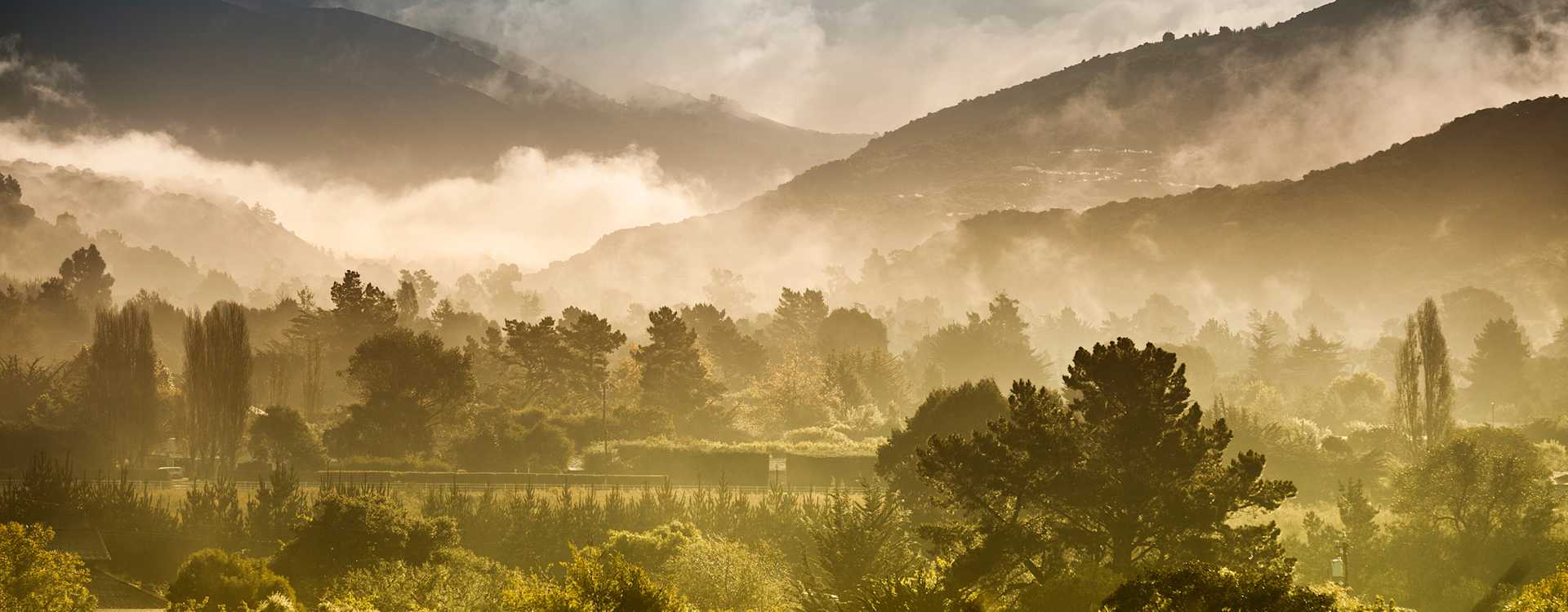
The largest and perhaps most varied of California’s wine-growing regions, the Central Coast produces a good majority of the state's wine. This vast California wine district stretches from San Francisco all the way to Santa Barbara along the coast, and reaches inland nearly all the way to the Central Valley.
Encompassing an extremely diverse array of climates, soil types and wine styles, it contains many smaller sub-AVAs, including San Francisco Bay, Monterey, the Santa Cruz Mountains, Paso Robles, Edna Valley, Santa Ynez Valley and Santa Maria Valley.
While the Central Coast California wine region could probably support almost any major grape varietiy, it is famous for a few Central Coast reds and whites. Pinot Noir, Chardonnay, Cabernet Sauvignon and Zinfandel are among the major ones. The Central Coast is home to many of the state's small, artisanal wineries crafting unique, high-quality wines, as well as larger producers also making exceptional wines.