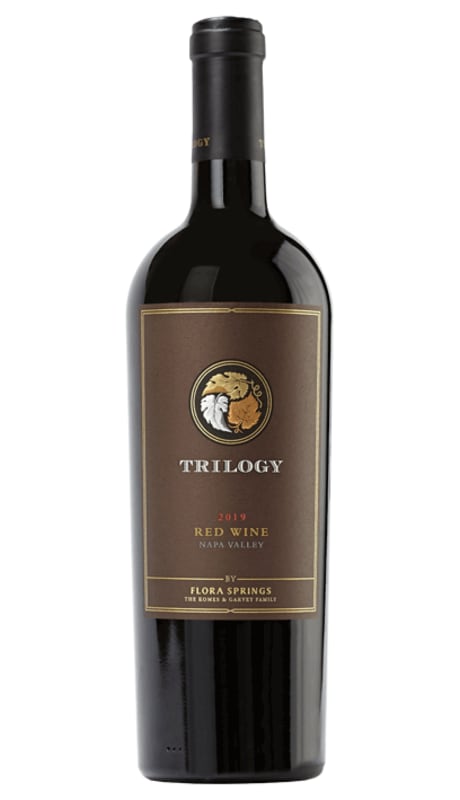


Winemaker Notes
Ripe and succulent, the wine sports flavors of cassis, currant and black plum shaded with notes of vanilla crème, black licorice, cola and sweet earth. Open textured with smooth tannins and a juicy, inviting finish, this Trilogy will reward cellaring for at least 15 years. We recommend keeping at least six bottles on hand, as we find that once you share a bottle of Trilogy, your friends are going to want you to open another.
Blend: 75% Cabernet Sauvignon, 10% Petit Verdot, 8% Cabernet Franc, 7% Malbec
Professional Ratings
-
James Suckling
Sweetly spiced nose of cherries, spiced plums, strawberries, vanilla and lavender. Full-bodied with firm, supple tannins and fresh acidity. Juicy, fruity and delicious with pretty spice and floral undertones on the long finish. Sustainable. Better from 2023.
-
Decanter
Opens to a nose of blackberries, spiced plum, liquorice, fennel and cedar. A real palate-etching red with immense concentration, and a nice line of saline minerality. The tannins are angular and grippy, and the long finish is punctuated by dark chocolate, black currants and graphite. A Cabernet crowd pleaser.
-
Wine Spectator
A plush fruit bomb, with waves of plum sauce, warmed cassis and cherry puree cruising through, laced with signed vanilla and ending with a creamy finish. For the hedonist crowd. Cabernet Sauvignon, Petit Verdot, Cabernet Franc and Malbec. Drink now through 2028.


Undoubtedly proving its merit over and over, Napa Valley is a now a leading force in the world of prestigious red wine regions. Though Cabernet Sauvignon dominates Napa Valley, other red varieties certainly thrive here. Important but often overlooked include Merlot and other Bordeaux varieties well-regarded on their own as well as for their blending capacities. Very old vine Zinfandel represents an important historical stronghold for the region and Pinot noir is produced in the cooler southern parts, close to the San Pablo Bay.
Perfectly situated running north to south, the valley acts as a corridor, pulling cool, moist air up from the San Pablo Bay in the evenings during the hot days of the growing season, which leads to even and slow grape ripening. Furthermore the valley claims over 100 soil variations including layers of volcanic, gravel, sand and silt—a combination excellent for world-class red wine production.