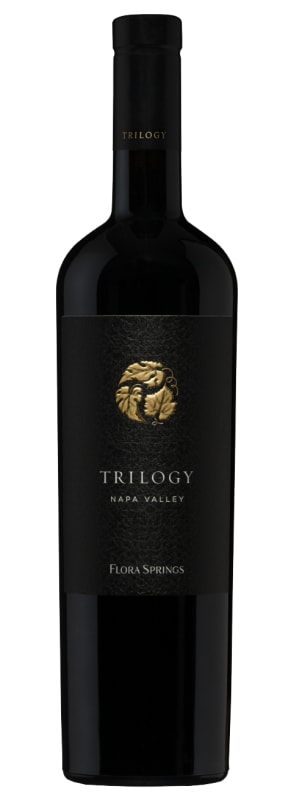


Winemaker Notes
Blend: 84% Cabernet Sauvignon, 8% Petit Verdot, 8% MalbecCellar:
Professional Ratings
-
Decanter
A blend of 84% Cabernet Sauvignon, 8% Malbec, and 8% Petit Verdot, this wine is aged in a mix of roughly 80% French oak and 20% American oak, with 40% new oak for the Cabernet Sauvignon and 25% new oak for the Petit Verdot and Malbec. This is consistently a knock-out wine, showcasing exceptional balance, poise, and sheer deliciousness. The 2022 vintage delivers much the same, leading with ripe, fruit-forward blue-fruit aromatics and lovely sweet cedarwood spices. These layers unfold beautifully on the full-bodied palate, enriched by suave tannins nuanced with graphite. The inky dark fruit is well-concentrated, with just the right touch of fruit sweetness and a balanced, satisfying finish.
-
James Suckling
Baked cherries, ripe blackberries, dried herbs and spices on the nose. Firm and lightly chewy in the mouth with a grainy texture to the tannins. Full-bodied and intense with a dark-fruited finish.
-
Robert Parker's Wine Advocate
A blend of 85% Cabernet Sauvignon, 8% Petit Verdot and 7% Malbec, the 2022 Trilogy offers up scents of ripe cherries and dusty loam, plus some slightly herbal notes reminiscent of dried sage, maybe even a touch of bell pepper. In the mouth, the wine is medium to full-bodied, silky but firm, not showing the season's heat at all, ending in a long, dusty finish.
Rating: 92+


Undoubtedly proving its merit over and over, Napa Valley is a now a leading force in the world of prestigious red wine regions. Though Cabernet Sauvignon dominates Napa Valley, other red varieties certainly thrive here. Important but often overlooked include Merlot and other Bordeaux varieties well-regarded on their own as well as for their blending capacities. Very old vine Zinfandel represents an important historical stronghold for the region and Pinot noir is produced in the cooler southern parts, close to the San Pablo Bay.
Perfectly situated running north to south, the valley acts as a corridor, pulling cool, moist air up from the San Pablo Bay in the evenings during the hot days of the growing season, which leads to even and slow grape ripening. Furthermore the valley claims over 100 soil variations including layers of volcanic, gravel, sand and silt—a combination excellent for world-class red wine production.