


Winemaker Notes
Golden lemon in color. Very intense and complex on the, showing predominant aromas of peach and apricot, along with floral and tropical hints of mango and pineapple, perfectly combined with nuances of oak aging. On the palate, it is fresh with excellent acidity and a finish marked by its fruity character.
Pairs perfectly with fish and white meats. Poultry in light sauces, rice dishes, paellas and seafood.
Blend: 58% Viura, 42% Chardonnay
Professional Ratings
-
James Suckling
Very well-made, showing fine spices, green mangoes, cream and a hint of white nuts. Quite flavorful and poised with medium to full body, fresh acidity and a long finish. Drink or hold.
-
Decanter
Unpretentiously classical, this is an accomplished second release of Faustino's first (and so far only) white wine, deftly blending Viura with Chardonnay. Moreish blanched almonds, apricot, mango, pineapple, red apple and candied lemon fill the palate with generosity, lifted by refreshing salinity, vivid lemon zest and perfumed camphor. Long sweet-spiced finish with a tail of almond croissant and frangipane.
-
Wine Spectator
A richly expressive white in a traditional style, with a dry, medium-bodied frame. Fragrant honeycomb, vanilla and tobacco notes accent the dried white cherry, Marcona almond and blood orange peel flavors. Creamy in texture and backed by well-cut acidity, with an underpinning of salinity emerging to clean the finish. Viura and Chardonnay. Drink now through 2030.





In the mid 1800s, Eleuterio Martinez Arzok took his first steps toward establishing himself as a producer and merchant of wines from the Rioja region of Spain. He started out by selling his wines in the Rioja and Basque regions, direct from the barrel. Much has changed since then and the winery he founded has since become known as one of the premier fine wine producers of the Rioja region.
In the late 1950s, his similarly adventurous descendant, Julio Faustino Martinez, launched the family-owned label in both national and international markets. Today, Bodegas Faustino is Rioja's largest exporter of Gran Reserva wines. The winner of numerous awards and gold medals in international competitions and tastings, Bodegas Faustino is a proud custodian of the Rioja region's growing international reputation as a source of truly world-class fine wines.
With 1600 acres of its own vineyards, Faustino is self-sufficient in producing its Reserva and Gran Reserva wines. The vineyards are located in the upper part of Rioja Alavesa at an altitude of between 1500 and 1800 feet. The climate is cool, influenced by the Atlantic Ocean, and the vines thrive in the chalky soil. The state-of-the-art Faustino winery has a stock of 45,000 barriques, 80% of which are American oak. The winery maintains a permanent stock of 9 million bottles of Reserva and Gran Reserva wines.
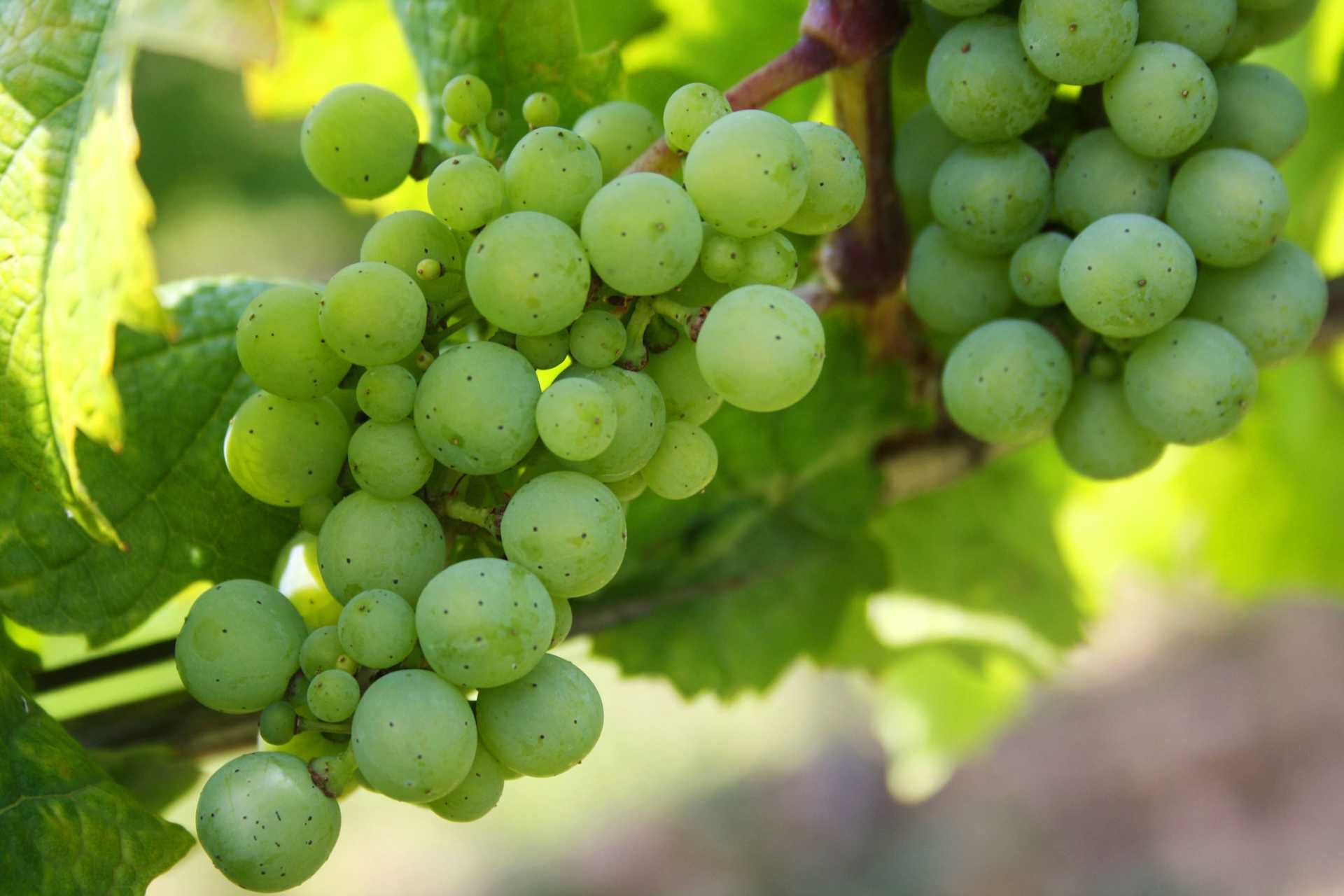
With hundreds of white grape varieties to choose from, winemakers have the freedom to create a virtually endless assortment of blended white wines. In many European regions, strict laws are in place determining the set of varieties that may be used in white wine blends, but in the New World, experimentation is permitted and encouraged. Blending can be utilized to enhance balance or create complexity, lending different layers of flavors and aromas. For example, a variety that creates a soft and full-bodied white wine blend, like Chardonnay, would do well combined with one that is more fragrant and naturally high in acidity. Sometimes small amounts of a particular variety are added to boost color or aromatics. Blending can take place before or after fermentation, with the latter, more popular option giving more control to the winemaker over the final qualities of the wine.

Highly regarded for distinctive and age-worthy red wines, Rioja is Spain’s most celebrated wine region. Made up of three different sub-regions of varying elevation: Rioja Alta, Rioja Alavesa and Rioja Oriental. Wines are typically a blend of fruit from all three, although specific sub-region (zonas), village (municipios) and vineyard (viñedo singular) wines can now be labeled. Rioja Alta, at the highest elevation, is considered to be the source of the brightest, most elegant fruit, while grapes from the warmer and drier Rioja Oriental produce wines with deep color and higher alcohol, which can add great body and richness to a blend.
Fresh and fruity Rioja wines labeled, Joven, (meaning young) see minimal aging before release, but more serious Rioja wines undergo multiple years in oak. Crianza and Reserva styles are aged for one year in oak, and Gran Reserva at least two, but in practice this maturation period is often quite a bit longer—up to about fifteen years.
Tempranillo provides the backbone of Rioja red wines, adding complex notes of red and black fruit, leather, toast and tobacco, while Garnacha supplies body. In smaller percentages, Graciano and Mazuelo (Carignan) often serve as “seasoning” with additional flavors and aromas. These same varieties are responsible for flavorful dry rosés.
White wines, typically balancing freshness with complexity, are made mostly from crisp, fresh Viura. Some whites are blends of Viura with aromatic Malvasia, and then barrel fermented and aged to make a more ample, richer style of white.