


Winemaker Notes
Pale straw yellow in color, the Polvorete is intense and very fresh on the nose, with predominant aromas of white tree fruits, pear, and apple, with hints of citrus in the background. In the mouth, it is balanced, with refreshing acidity and a very lively and pleasant mid-palate.
Professional Ratings
-
Wilfred Wong of Wine.com
The 2024 Emilio Moro Polvorette is a lively and expressive white, delivering bright aromas of ripe citrus, subtle earth, and a hint of forest floor. Its textured palate and fresh acidity make it a natural companion to Bouillabaisse—a Provençal fish stew brimming with rockfish, tomato, garlic, saffron, fennel, and white wine. (Tasted: July 13, 2025, San Francisco, CA)
-
Jeb Dunnuck
The 2024 Polvorete is sourced from different areas of the appellation and different soils to create a lively wine of crisp green apple, ample acidity, moderate length, and light-bodied weight. The producer’s first vintage was in 2016, and it’s gone so well they have now opened a winery in the area, becoming the biggest producer of Godello in the region. Stainless-steel fermented, it sees no time in oak.
-
James Suckling
Subtle on the nose, with citrus aromas and a gentle herbal touch. The angular, medium- to full-bodied palate is driven by tension with a pleasant hint of grapefruit bitterness in the finish.
-
Wine Spectator
A zippy, light-bodied white, with a salty base note alongside its lively mix of blood orange, apricot, pickled ginger and Thai basil. Zesty finish. Drink now. 12,500 cases made, 4,500 cases imported.






Bodegas Emilio Moro is one of the oldest leading quality producers in Ribera del Duero. The history of the family goes back 3 generations. 1st generation Emilio Moro was born in 1891 and 2nd generation Emilio Moro in 1932. Both were born in a viticulture environment surrounded by vineyards and grew up treading grapes and racking wine in their native village of Pesquera de Duero, in the province of Valladolid.
Emilio Moro taught his son, Emilio how to make wine but also to love it. Then Emilio passed along that knowledge, passion, and love for wine to the third generation. Currently the third and fourth generation together run the winery.
The vineyards were grafted with the purest clone of Tinto Fino, commonly known as Tempranillo, recovered from the oldest vineyards that the family owns, Valderramiro and Resalso. Currently the family owns more than 200 hectares. They are located between 2,400 to 3,000 feet of elevation.
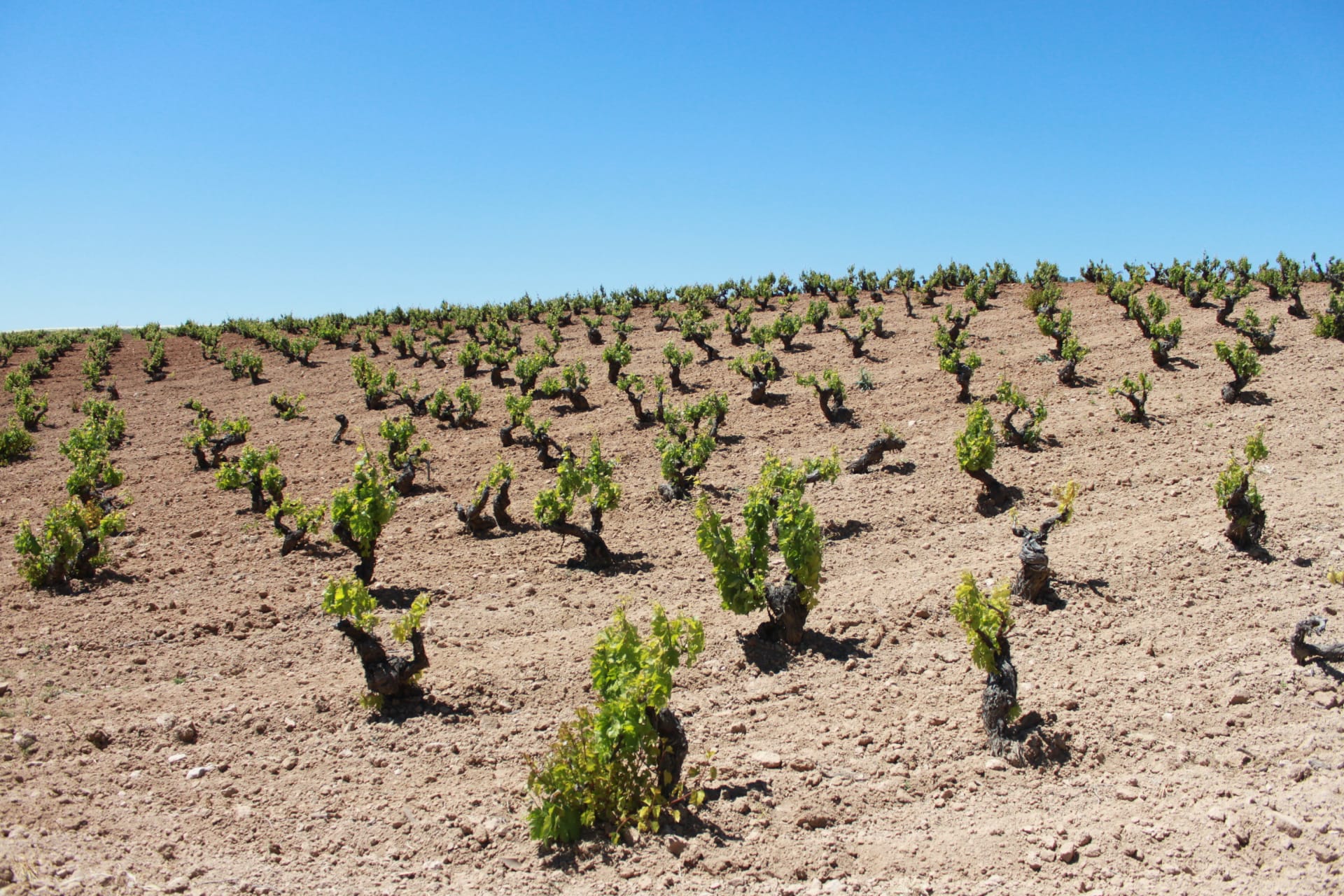
The third generation lead by Javier, Rubi and Fabiola started the newest project of the family when they were looking to the area within Spain capable of producing the best white wine. They settled in Bierzo in 2016 and have been making wines there with Godello variety ever since.
“Wine is art. If you listen, it speaks to you, it tells you when it needs to rack, when to rest. It’s like a living being that needs to be understood and cared for”. D. Emilio Moro

Godello is native to northwest Spain and has experienced a major revival in the last 20 years. Godello wines are typically sleek and lightly creamy in texture. Barrel fermentation and lees stirring are typical in Valdeorras, Spain where the grape comes from. These winemaking techniques make the most of Godello's inherent structure and help bring out its lovely floral character. Somm Secret—DNA profiling says that Spain’s Godello is actually identical to the Portugese grape variety Gouveio, which grows throughout the Douro and Dão (where it used to mistakenly be called Verdelho).

One of the few northwestern Spanish regions with a focus on a red variety, Bierzo, part of Castilla y León, is home to the flowery and fruity Mencia grape. Mencia produces balanced and bright red wines full of strawberry, raspberry, pomegranate, baking spice, pepper and black licorice. The well-drained soils of Bierzo are slate and granite.